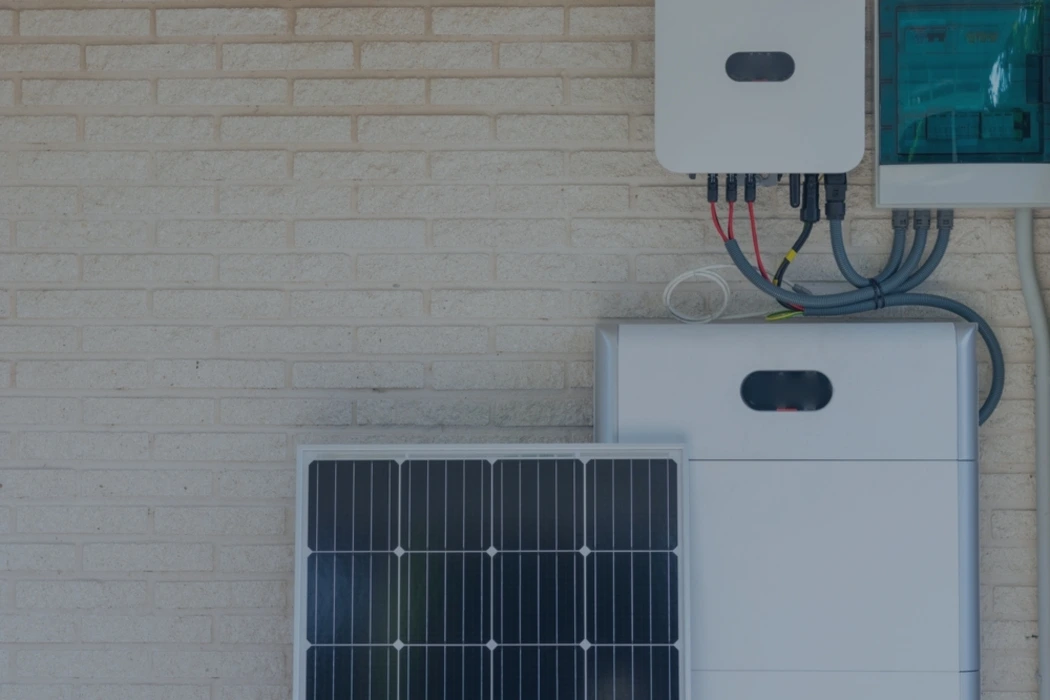
How long do solar batteries last is one of the most common questions people ask when investing in solar, and the reality is simple: they do not last forever.
Most solar batteries last around 10 to 12 years, with some reaching up to 15 years depending on the type, usage, and conditions. Meanwhile, solar panels often last 30 to 40 years, which means you will likely replace your battery multiple times over the life of your system.
The exact lifespan depends on how often the battery is used, where it is installed, and what type of battery you have.
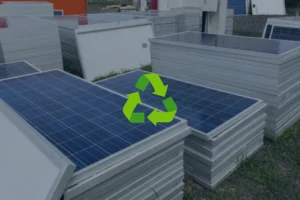
If you’re replacing or upgrading your system, our solar panel recycling services help safely handle old panels and energy equipment from start to finish.
How Long Do Solar Batteries Last? (Quick Answer)
Average Lifespan
Most solar batteries last between 10 and 12 years.
That said, the full range can vary:
- 3 to 7 years for older lead-acid batteries
- 10 to 15 years for most lithium-ion batteries
- 15 to 25 years for certain large-scale or specialized systems
The type of battery you choose plays a big role in how long it will last.
Why They Don’t “Just Stop Working”
Solar batteries do not usually fail overnight.
Instead, they gradually degrade over time. That means:
- They store less energy
- They discharge faster
- They become less efficient
Even after 10 years, a battery may still work, but it will not perform like it did when it was new.
Batteries vs. Solar Panels
Solar panels and solar batteries have very different lifespans.
- Solar panels: 30 to 40 years
- Solar batteries: 10 to 15 years
This means most systems will need 2 to 3 battery replacements over the life of the panels.
Planning for that upfront helps avoid surprises later.
What Impacts Solar Battery Lifespan
Not all solar batteries age the same way. Several factors directly affect how long a battery will last and how well it performs over time.
Battery Type
The type of battery you install matters a lot.
- Lithium-ion batteries are the most common and offer the best balance of lifespan and performance
- Lead-acid batteries are older technology with shorter lifespans
- Flow batteries last longer but are typically used in larger, more complex systems
Most residential systems today use lithium-ion because they last longer and perform more efficiently.
Cycle Life (Charge/Discharge)
Every time your battery charges and discharges, it completes a cycle.
Each cycle causes a small amount of wear.
Most systems are designed for about one cycle per day, which adds up over the years. The more cycles a battery goes through, the faster it will degrade.
Depth of Discharge (DoD)
Depth of discharge refers to how much of the battery’s stored energy you use before recharging it.
- Higher DoD = more usable energy
- Higher DoD = more stress on the battery
Modern lithium batteries usually operate at 80% to 95% DoD, balancing performance and longevity.
Temperature and Environment
Heat is one of the biggest factors in battery degradation.
- High temperatures speed up internal wear
- Outdoor installations may face more stress
- Garages or shaded areas help protect the battery
Keeping a battery in a stable environment can extend its lifespan.
Maintenance and Monitoring
Solar batteries do not need constant attention, but they still need to be monitored.
- Poor monitoring can allow small issues to become bigger problems
- System alerts and tracking tools help catch performance drops early
- Regular checks help extend usable life
Ignoring performance changes can shorten lifespan significantly.
Types of Solar Batteries and Their Lifespans
Different battery technologies offer different lifespans, costs, and performance levels.
Lithium-Ion Batteries
Lithium-ion batteries are the most common choice for residential solar systems.
- Typical lifespan: 10 to 15 years
- High efficiency and compact design
- Includes chemistries like LFP (longer lifespan) and NMC
These batteries dominate the market because they balance performance, size, and durability.
Lead-Acid Batteries
Lead-acid batteries are older and less common in new installations.
- Typical lifespan: 3 to 7 years
- Lower upfront cost
- Require more maintenance
They may still be used in certain off-grid or budget systems, but they do not last as long.
Flow Batteries
Flow batteries are less common but offer longer lifespans.
- Typical lifespan: 15 to 25 years
- More common in large-scale or commercial systems
- Higher cost and more complex setup
They are not typically used in standard residential solar setups.
How Solar Batteries Degrade Over Time
All batteries degrade. The key is understanding how and why that happens.
Capacity Loss
Over time, a battery stores less energy.
For example:
- A 10 kWh battery may drop to 7 kWh after years of use
That means less stored solar energy and more reliance on the grid.
Chemical Wear and Tear
Inside the battery, chemical reactions occur during every charge and discharge.
Over time:
- Internal materials break down
- Resistance increases
- Performance declines
This is normal, but it adds up with use.
Efficiency Decline
As the battery ages:
- Charging may take longer
- Discharging may become less consistent
- More energy is lost during the process
This reduces the overall effectiveness of your solar system.
Signs Your Solar Battery Needs Replacement
Eventually, every solar battery reaches a point where replacement makes more sense than continuing to use it.
Reduced Storage Capacity
If your battery is not holding as much energy as it used to, that is one of the clearest signs of aging.
You may notice less stored solar power available at night.
Slower Charging or Discharging
If the battery takes longer to charge or struggles to deliver power, performance is dropping.
This can affect how efficiently your system runs.
Increased Reliance on Grid Power
If you find yourself pulling more energy from the grid, your battery may not be storing enough solar energy anymore.
This often leads to higher utility costs.
System Alerts or Errors
Modern systems include monitoring tools that track performance.
If you start seeing alerts, warnings, or unusual behavior, it may be time to evaluate the battery’s condition or consider replacement.
How long solar batteries last depends heavily on how they are installed, used, monitored, and eventually replaced.
How To Make Your Solar Battery Last Longer
A solar battery will naturally degrade over time, but good habits can help you get the most life out of it.
Install in the Right Location
Heat is one of the biggest threats to solar battery lifespan.
Avoid placing a battery where it will be exposed to extreme heat, direct sun, poor airflow, or tight enclosed spaces. A garage, shaded outdoor area, or properly ventilated utility space is usually better than a hot attic or cramped closet.
Proper ventilation helps the battery stay within its recommended operating range and reduces unnecessary stress on the system.
Avoid Overuse or Overcycling
Every charge and discharge cycle adds a little wear to the battery.
That does not mean you should avoid using it. It just means the system should be balanced. Constant deep discharging, aggressive cycling, or overworking the battery can shorten its useful life.
A properly sized system helps avoid unnecessary strain.
Monitor Performance Regularly
Small battery issues are easier to handle when they are caught early.
Most modern solar battery systems include an app or monitoring dashboard. Watch for changes in storage capacity, charging speed, discharge rate, or system alerts.
If something looks off, have it checked before it turns into a larger problem.
Use Quality Equipment
Better equipment usually means better long-term performance.
A quality solar battery, installed correctly and matched to the right system size, will usually last longer than a cheaper battery pushed beyond its limits. Battery chemistry, warranty, cycle life, and manufacturer reputation all matter.
What Happens When a Solar Battery Dies
A solar battery does not always “die” suddenly. In many cases, it slowly becomes less useful until replacement makes more sense.
Reduced Energy Savings
As the battery loses capacity, it stores less solar energy.
That means less power available at night, during outages, or during peak-rate periods. The panels may still be producing electricity, but the battery cannot hold as much of it.
Increased Energy Costs
A weaker battery usually means more reliance on the grid.
If your system cannot store enough solar energy, you may need to buy more electricity from your utility company. Over time, that can reduce the savings your solar setup was supposed to provide.
System Inefficiency
Your solar panels can still produce power even if the battery is aging.
The problem is storage. If the battery cannot hold or deliver energy efficiently, the system becomes less useful as a complete energy setup. You may still generate solar power, but you lose flexibility and backup capacity.
Solar Battery Replacement Timeline
Solar battery replacement is a normal part of owning a solar energy system.
When You’ll Likely Replace It
Most solar batteries need replacement around 10 to 12 years in.
Some may last closer to 15 years, while others may need replacement sooner depending on battery type, climate, use patterns, and maintenance.
Planning for Multiple Replacements
Solar panels often last much longer than solar batteries.
Because panels can last 30 years or more, you may replace your battery 2 to 3 times during the life of the solar panel system.
Planning for that helps with budgeting, system upgrades, and end-of-life recycling.
Upgrading to Newer Technology
Battery technology keeps improving.
When replacement time comes, you may be able to upgrade to a battery with better storage capacity, improved efficiency, smarter monitoring, or a longer warranty.
Replacing an older battery is not just maintenance. It can also improve how your system performs.
What To Do With Old Solar Batteries
Old solar batteries should never be tossed in the trash or left sitting around indefinitely.
They contain materials that need proper handling, especially if they are damaged, swollen, leaking, or no longer holding a charge.
Why Proper Disposal Matters
Solar batteries can contain metals, chemicals, and electronic components that are not landfill-safe.
Improper disposal can create fire risks, environmental hazards, and compliance issues for businesses, installers, property owners, and facilities.
Recycling Solar Batteries
Solar batteries can often be recycled so reusable materials can be recovered.
Depending on the battery type, recycling may recover metals, casings, wiring, and other components that can be routed back into proper material streams.
This helps reduce waste and supports a cleaner end-of-life process for solar equipment.
Work With a Recycling Provider
The safest option is to work with a recycling provider that understands battery handling.
Our battery recycling services help safely handle solar batteries, lithium systems, and energy storage equipment at end of life.
A proper recycling provider can help with sorting, pickup, transport, and routing batteries through the right recycling process.
Final Thoughts
Solar batteries are a key part of solar systems, but they usually have a shorter lifespan than the panels themselves.
Most batteries last around 10 to 15 years, depending on type, usage, environment, and maintenance. Planning ahead helps prevent performance loss, downtime, and last-minute disposal problems.
If you’re upgrading or replacing your system, our solar panel disposal services provide safe, scalable solutions for handling panels, batteries, and solar equipment. Contact us to schedule a pickup or explore your recycling options.