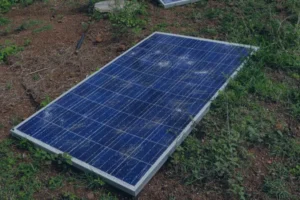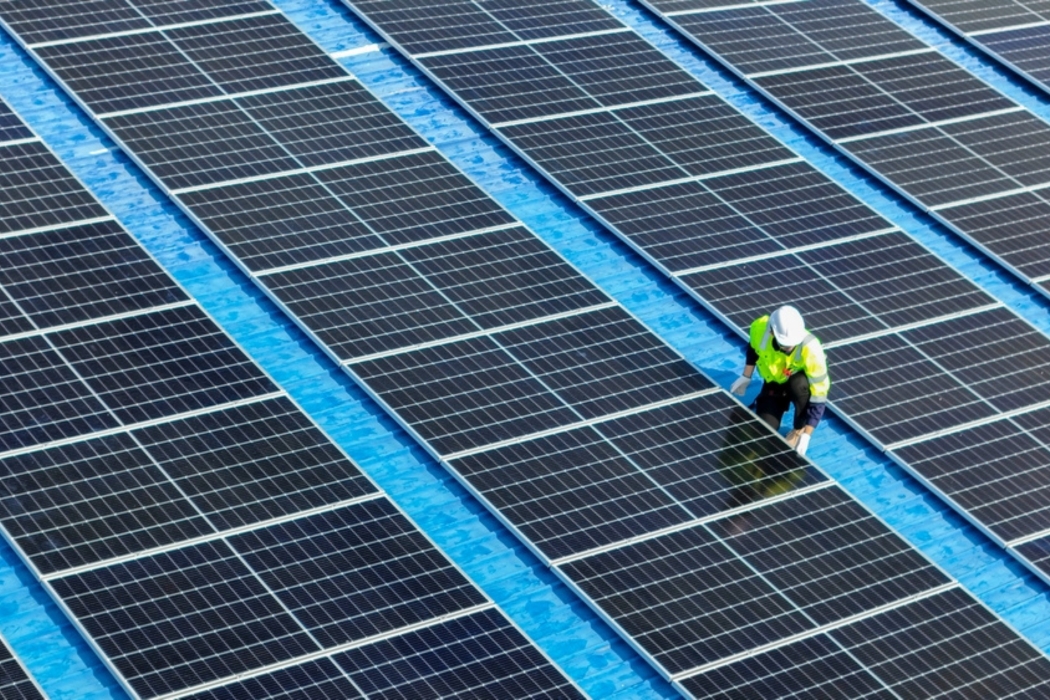
A photovoltaic system is a solar power system that converts sunlight into electricity using solar cells. These cells are usually made with semiconductor materials, such as silicon, that react to sunlight and create an electric current.
Photovoltaic systems are used in many different settings, from rooftop solar panels on homes to commercial systems on businesses, schools, and warehouses. They can also be built at a much larger scale, such as solar farms that generate electricity for utilities.
In simple terms, a photovoltaic system captures light from the sun, turns it into electrical energy, and sends that power where it can be used. Understanding how it works can help you see why solar technology has become such an important part of modern energy.
Did you know EACR Inc. helps decommission solar farms and large-scale PV systems? From panel removal to full system breakdown, they handle the heavy lifting and make sure materials are processed through the proper recycling channels.
What is Photovoltaic Technology?
What “photovoltaic” actually means
The word “photovoltaic” sounds technical, but the meaning is pretty simple.
“Photo” refers to light.
“Voltaic” refers to electricity.
So, photovoltaic technology means technology that turns light into electricity. Instead of using fuel, heat, or moving parts to generate power, PV technology uses sunlight and solar cells to create electrical energy directly.
That direct conversion is what makes photovoltaic systems different from many other energy systems. There is no combustion process. There is no turbine spinning. Sunlight hits the solar cells, and the system begins producing electricity.
How PV technology differs from other solar types
Not all solar technology works the same way.
Photovoltaic systems use solar cells to produce electricity. This is the type of solar most people think of when they picture panels on a roof or a solar farm.
Solar thermal systems work differently. They use sunlight to produce heat, often for water heating, space heating, or industrial heating.
Concentrated solar power also uses sunlight, but instead of standard solar panels, it uses mirrors or lenses to focus sunlight and create heat. That heat is then used to generate electricity, usually through a steam turbine.
So the key difference is this: photovoltaic systems convert sunlight directly into electricity, while solar thermal and concentrated solar systems rely on heat.
How Does a Photovoltaic System Work?
Step 1: Sunlight hits the solar cells
A photovoltaic system starts working when sunlight reaches the solar panels. Sunlight is made up of tiny packets of energy called photons.
When those photons hit a solar cell, a few things can happen. Some light may bounce off the surface. Some may pass through. But the useful light is the light absorbed by the semiconductor material inside the cell.
That absorbed energy is what starts the electrical process.
Step 2: Electrons get knocked loose
Most solar cells are made with semiconductor material, usually silicon.
When the semiconductor absorbs enough sunlight, the energy from the photons knocks electrons loose from the material’s atoms. These freed electrons are what make electricity possible.
The solar cell is built in a way that encourages those electrons to move in a specific direction. That movement matters because electricity is really the movement of charged particles through a circuit.
Step 3: Electric current is created
Once electrons begin moving, an electric current is created.
A photovoltaic cell also creates a voltage difference, similar to the positive and negative sides of a battery. That voltage gives the electrons a reason to flow.
This is the heart of how PV systems work: sunlight creates movement inside the solar cell, and that movement becomes usable electrical current.
Step 4: Electricity flows through the system
After the current is created, electrical conductors collect it and move it through the system.
At first, the electricity produced by solar panels is direct current, or DC electricity. Homes and businesses usually use alternating current, or AC electricity, so the system sends that DC electricity to an inverter.
The inverter converts the power into AC electricity, allowing it to be used by lights, appliances, equipment, and building electrical systems.
From Solar Cells to Full Systems
Solar cells: small but powerful
A solar cell is the basic building block of a photovoltaic system.
One individual PV cell is small and usually produces only about 1 or 2 watts of power. That is not enough to run a home or business by itself, but it is enough to show the basic principle: sunlight can be converted into electricity.
To produce meaningful power, many cells need to work together.
Solar panels: modules
Solar cells are grouped together inside a protected panel, also called a module.
The panel gives the cells structure and protection. Since solar panels are installed outdoors, they need to withstand sunlight, rain, wind, temperature changes, and long-term exposure.
That is why cells are sealed inside protective materials, often including glass, plastic layers, backing material, and a frame.
Solar arrays: panels working together
A solar array is a group of solar panels connected together.
This is where photovoltaic systems become scalable. A small array may power part of a home. A larger array may support a commercial building. A massive array may generate electricity for thousands of people through a utility-scale solar farm.
That flexibility is one of the biggest strengths of PV technology. The same basic concept can be used for a calculator, a rooftop system, a warehouse, or a large solar power plant.
Key Components of a Photovoltaic System
Solar panels
Solar panels are the most visible part of a photovoltaic system.
Their job is to capture sunlight and convert it into DC electricity. The number of panels in the system depends on the amount of power needed, the available space, the location, and the system design.
Inverter
The inverter is one of the most important parts of the system.
Solar panels produce DC electricity, but most homes and businesses use AC electricity. The inverter converts DC power into AC power so it can be used by the building or sent to the electric grid.
Without an inverter, most grid-connected PV systems would not be able to deliver usable power for everyday electrical needs.
Mounting systems
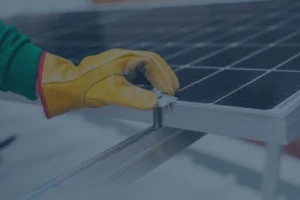
Mounting systems hold the solar panels in place.
They may be installed on rooftops, the ground, poles, carports, or specialized structures. A good mounting system does more than support the panels. It also helps position them at the right angle to capture sunlight efficiently.
Wiring and electrical components
A photovoltaic system also needs wiring, connectors, breakers, disconnects, meters, and other electrical components.
These pieces safely move electricity through the system and help protect the equipment, building, and electrical grid.
Optional components
Some PV systems include extra components depending on the project.
Battery storage can store extra energy for later use.
Monitoring systems can track energy production and system performance.
Solar trackers can move panels to follow the sun, helping certain systems produce more electricity.
Together, these supporting parts are often called the balance of system. That simply means everything needed to make the solar panels function as a complete, working power system.
Types of Photovoltaic Systems
Grid-connected systems
Grid-connected photovoltaic systems are connected to the public electric grid.
These are the most common systems for homes and businesses. When the panels produce electricity, that power can be used on-site. In some cases, extra electricity can be sent back to the grid.
This setup gives users access to solar power while still staying connected to utility electricity when needed.
Off-grid systems
Off-grid systems, also called standalone systems, are not connected to the electric grid.
These systems usually need batteries because solar panels do not produce power at night and produce less power during cloudy weather. The battery stores energy during sunny periods so it can be used later.
Off-grid PV systems are often used in remote areas, cabins, farms, communication sites, and places where utility power is not practical.
Hybrid systems
Hybrid photovoltaic systems combine solar panels with other energy sources or storage options.
A common example is a solar system with battery storage and grid connection. The system can use solar energy during the day, store extra power in batteries, and still draw from the grid when needed.
Hybrid systems are becoming more common because they offer more flexibility and backup potential than a basic grid-connected system.
Where Photovoltaic Systems Are Used
Residential systems
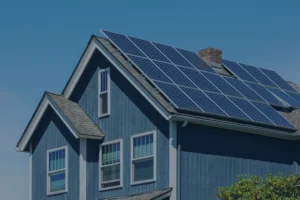
Residential photovoltaic systems are usually installed on rooftops.
These systems help homeowners generate electricity from sunlight and reduce reliance on utility power. A home system may power lighting, appliances, HVAC equipment, electronics, and other everyday electrical needs.
Commercial systems
Commercial PV systems are used by offices, warehouses, schools, retail buildings, industrial facilities, and other organizations.
These systems are usually larger than residential systems because commercial buildings often use more electricity. They may be installed on rooftops, parking structures, open land, or flat commercial roofs.
For businesses, solar can help reduce operating costs, support sustainability goals, and make better use of unused roof or property space.
Utility-scale solar farms
Utility-scale photovoltaic systems are the largest type of PV installation.
These solar farms use large arrays of panels to produce electricity for the grid. Instead of powering one home or one building, they generate power that can serve communities, cities, or large utility customers.
This shows how flexible photovoltaic technology really is. The same basic solar cell principle can support everything from a small rooftop system to a massive energy project.
How Much Power Can a PV System Produce?
Output of a single cell vs full system
A single photovoltaic cell does not produce a large amount of electricity on its own. Most individual PV cells only generate about 1 to 2 watts of power.
That is why solar cells are grouped together into panels, and panels are connected together into arrays. The bigger the array, the more electricity the system can produce.
Think of it like this:
One solar cell creates a small amount of power.
One solar panel combines many cells into a usable module.
One solar array connects multiple panels to produce enough electricity for a home, business, or utility-scale project.
Factors that affect production
A PV system’s output depends on more than just the number of panels. Real-world conditions matter.
The biggest factors include:
- Sunlight: More direct sunlight usually means more electricity. This is why solar systems often perform better in sunnier regions.
- Panel angle and direction: Panels produce more power when they are positioned to capture strong, direct sunlight.
- Temperature: Solar panels need sunlight, but too much heat can reduce efficiency. Hot panels may produce less power than cooler panels under the same light conditions.
- Shading and dirt: Shade from trees, nearby buildings, dust, pollen, snow, and debris can all reduce production. Even partial shading can have a noticeable impact.
Real-world example
A typical residential PV system may be around 10 kilowatts, depending on the home’s energy use, roof space, and local sunlight.
In ideal conditions, a 10kW system can produce a strong amount of daily electricity. But actual output changes by location, weather, roof direction, panel angle, season, and shading.
For example, the same system may produce much more energy on a clear summer day than on a cloudy winter day. That is why solar estimates should always be based on real site conditions, not just the system size.
Efficiency and Performance Explained
What “efficiency” actually means
Solar panel efficiency refers to how much sunlight a panel can convert into usable electricity.
For example, if a panel has 20% efficiency, that means it can convert about 20% of the sunlight that hits it into electrical energy. The rest is lost as heat, reflection, or other forms of unused energy.
Efficiency matters because higher-efficiency panels can produce more power from the same amount of space.
Typical efficiency ranges
Most modern solar panels fall somewhere around 15% to 25% efficiency, depending on the technology, manufacturer, and panel type.
That may sound low at first, but it is enough to make PV systems practical for homes, businesses, and solar farms. As technology improves, panels continue to become more efficient, more accessible, and more widely used.
What reduces performance
A PV system does not always perform at its rated output. Several everyday factors can reduce performance.
- Heat: High temperatures can lower panel output.
- Dirt and dust: Soiling blocks sunlight from reaching the cells.
- Shading: Trees, chimneys, nearby buildings, and even small shaded areas can reduce production.
This is why good system design matters. Proper placement, clear sun exposure, routine monitoring, and basic maintenance can help a PV system perform better over time.
Advantages of Photovoltaic Systems
Renewable and sustainable energy
Photovoltaic systems use sunlight, a renewable energy source that does not run out in the way fossil fuels do.
Once installed, a PV system can generate electricity without burning fuel or producing direct air pollution during operation. That makes solar power an important part of the shift toward cleaner energy.
Lower electricity costs
One of the biggest reasons people install PV systems is long-term electricity savings.
A solar system can help offset the amount of power a home or business buys from the grid. Over time, those savings can add up, especially for properties with strong sun exposure and high electricity use.
The exact savings depend on system size, utility rates, incentives, location, and how much energy is used on-site.
Low maintenance
Photovoltaic systems are relatively low maintenance because they have few moving parts.
Most systems mainly need routine monitoring, occasional cleaning if dirt or debris becomes a problem, and periodic inspection of electrical components. Inverters and batteries may need service or replacement over time, but the panels themselves are built for long-term outdoor use.
Scalable for any need
PV systems are flexible.
They can be small enough to power a remote device, large enough to support a home, or massive enough to generate electricity for the grid. That scalability is one of the main reasons photovoltaic technology is used across residential, commercial, industrial, and utility-scale settings.
Limitations of Photovoltaic Systems
Dependent on sunlight
Solar panels need light to produce electricity.
They produce the most power in direct sunlight, less power on cloudy days, and no power at night. That does not mean they are unreliable, but it does mean production changes throughout the day and year.
For consistent power after sunset, a system may need battery storage or grid connection.
Upfront cost
PV systems require an upfront investment.
Costs can include panels, inverters, mounting equipment, wiring, permitting, labor, and optional battery storage. While long-term savings may help offset the investment, the starting cost is still one of the biggest barriers for many property owners.
Space requirements
A PV system needs enough roof or land area to install the panels.
Homes with shaded roofs, limited roof space, unusual roof shapes, or poor orientation may not be ideal for solar. Businesses and solar farms may need larger open areas, strong structural support, or ground-mounted systems.
Storage limitations
Battery storage can make solar more flexible, but batteries add cost and complexity.
They can store extra electricity for later use, but storage capacity is limited. Batteries also have their own lifespan, maintenance considerations, and end-of-life recycling needs.
What Happens to Solar Panels at End of Life?
Solar panel lifespan
Most solar panels are designed to last a long time, often around 25 years or more.
That does not always mean they stop working after 25 years. In many cases, panels continue producing electricity, but at a lower output than when they were new.
Eventually, though, panels need to be removed, replaced, or recycled.
Recycling and material recovery
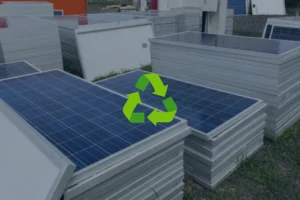
Solar panels contain materials that can often be recovered through proper recycling.
Depending on the panel type and recycling process, materials such as glass, aluminum, copper, wiring, and semiconductor components may be separated and routed for recovery. Some systems also include related equipment such as inverters, batteries, wiring, and mounting hardware that need proper handling.
This matters because solar equipment is not just ordinary trash. It is electrical equipment with materials that should be managed responsibly.
Why proper recycling matters
Proper solar panel recycling helps keep materials out of landfills and supports the reuse of recoverable components.
It also helps reduce environmental risk when panels, batteries, and related equipment are removed from homes, businesses, solar farms, or large commercial sites.
For organizations replacing or decommissioning solar equipment, working with a licensed recycling provider can help ensure the process is handled safely, responsibly, and with the right documentation.
Are Photovoltaic Systems Worth It?
When they make the most sense
Photovoltaic systems often make the most sense when a property has strong sun exposure, high electricity usage, and enough available space for panels.
They can also be a better fit for property owners planning to stay long term, since solar savings usually build over time.
For businesses, PV systems can be especially attractive when energy costs are high, roof space is available, and sustainability goals matter.
When they may not
PV systems may not be the right fit for every property.
If a roof is heavily shaded, too small, structurally weak, or facing the wrong direction, solar output may be limited. Solar may also be less practical for someone planning to move soon, unless the system improves property appeal or the financial numbers still make sense.
The best answer depends on location, system cost, available incentives, energy usage, and long-term goals.
Final Thoughts: Is Solar the Future?
Photovoltaic systems have moved from niche to mainstream, powering everything from homes to large-scale solar farms.
As costs drop and adoption grows, solar is becoming a key part of how we generate electricity. And as systems age, proper end-of-life handling becomes just as important.
Upgrading or removing a solar system? EACR Inc. provides licensed solar panel recycling and decommissioning services, helping recover reusable materials while keeping outdated equipment out of landfills.