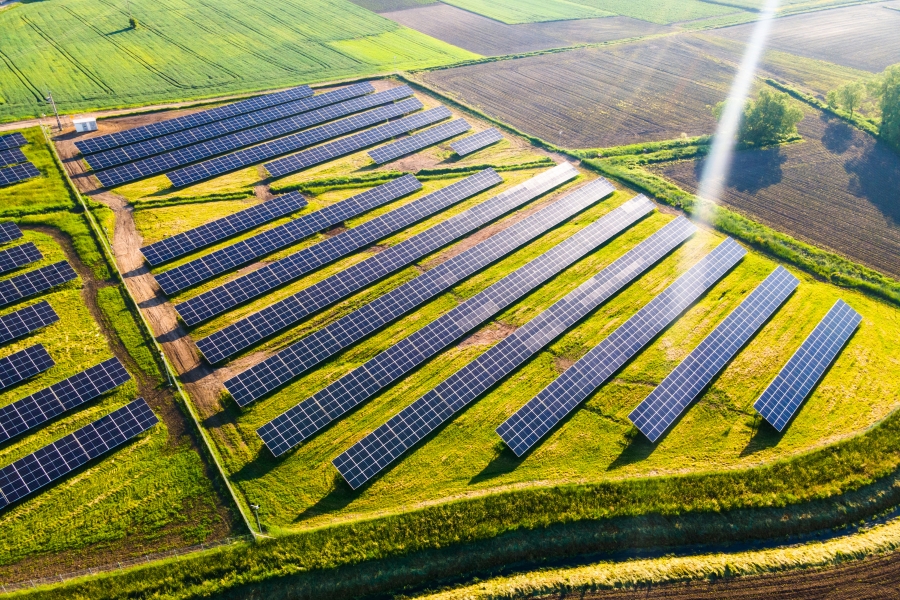
Solar farms do not operate forever. Most utility-scale solar projects are designed around 20–30 year lifespans, and as older systems age, more solar farms will eventually reach end-of-life.
That naturally raises a big question: what happens when solar farms shut down? Are the panels abandoned, dismantled, repowered, recycled, or removed entirely?
In most cases, a solar farm does not simply sit there unused. When solar farms shut down, the project may be extended, upgraded, dismantled, recycled, or restored depending on the condition of the equipment, the land agreement, project economics, and local requirements.
As a solar panel recycling company, EACR Inc. helps businesses, contractors, developers, and organizations manage end-of-life solar panel recycling and solar equipment removal responsibly.
Quick Answer: What Happens When Solar Farms Shut Down?
When solar farms shut down, they usually follow one of several paths. The project may continue operating under a renewed agreement, be refurbished, be repowered with newer equipment, or be fully decommissioned.
If the solar farm is decommissioned, the equipment is removed from the site. Solar panels, inverters, wiring, racking systems, and related electrical components may be recycled, reused, resold, or disposed of according to applicable requirements.
The land may also be restored, returned to farming, prepared for another solar project, or redeveloped for a different use. Most utility-scale solar projects have decommissioning plans and land restoration requirements built into contracts, leases, permits, or local approval agreements.
Why Solar Farms Shut Down
Solar equipment reaches end-of-life
Solar panels can produce electricity for decades, but they do not operate at peak performance forever. Over time, panels slowly lose efficiency, which means they generate less electricity than they did when they were first installed.
Other parts of the system can age, too. Inverters, wiring, transformers, monitoring systems, and electrical components may need repairs or replacement. At some point, the cost of maintaining an older system may become harder to justify.
Severe weather or damage
Solar farms can also shut down because of major damage. Hail, flooding, hurricanes, high winds, fire, and storm debris can damage panels, racking, wiring, and electrical equipment.
Sometimes only part of the site needs repair. Other times, damage may be widespread enough that the owner chooses to replace equipment, repower the site, or begin decommissioning.
Solar farms may become less profitable
Solar farms are energy projects, so economics matter. A system may become less profitable if maintenance costs rise, incentives expire, energy market conditions change, or newer solar technology becomes much more efficient.
In some cases, upgrading the site with newer panels and equipment makes more sense than continuing to operate the original system.
Land lease expiration
Many solar farms are built on leased land, and those lease agreements often run for 20–30 years. When the lease ends, the landowner and solar developer may decide whether to renew, renegotiate, transfer ownership, or remove the system.
If the lease is not renewed, the project may move into decommissioning. That usually means the solar equipment is removed and the land is restored according to the terms of the agreement.
Main Options When a Solar Farm Shuts Down
Extending the solar farm’s lifespan
One option is to keep the solar farm operating. If the equipment is still performing well and the land agreement still makes sense, the project owner may continue maintenance and extend the site’s useful life.
This can involve lease renewals, ongoing inspections, repairs, vegetation management, and electrical system maintenance.
Refurbishing the solar farm
Refurbishment means improving the existing system without completely rebuilding it. Damaged panels may be replaced, inverters may be updated, and certain electrical components may be repaired or upgraded.
This option can help improve performance while avoiding the cost of a full site replacement.
Repowering with newer technology
Repowering is a larger upgrade. Instead of simply repairing the existing system, the owner may replace older solar panels with newer, higher-efficiency panels and update the supporting equipment.
Repowering can include improved monitoring systems, upgraded inverters, stronger electrical components, and better performance controls. This allows the site to produce more power from the same land area.
Full decommissioning
Full decommissioning is the complete shutdown and removal of the solar farm. The system is disconnected, equipment is removed, reusable components may be resold, recyclable materials are processed, and the land is restored or prepared for another use.
This is usually the path when the project is no longer economically viable, the lease is ending, the equipment is too degraded, or the landowner wants the property returned for another purpose.
What Happens During Solar Farm Decommissioning?
Disconnecting the system from the electrical grid
The first major step is safely disconnecting the solar farm from the electrical grid. This is not a simple “turn it off” process. It usually requires coordination with the utility company, project owner, site operators, and licensed electrical contractors.
The system must be shut down in a controlled way so power is no longer flowing through the panels, inverters, transformers, and grid connection points. Safe shutdown procedures help protect workers, prevent electrical hazards, and prepare the site for equipment removal.
Removing solar panels and equipment
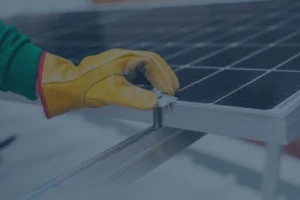
Once the system is safely disconnected, crews can begin removing the physical equipment. This may include solar panels, inverters, wiring, racking systems, transformers, combiner boxes, monitoring equipment, and other electrical components.
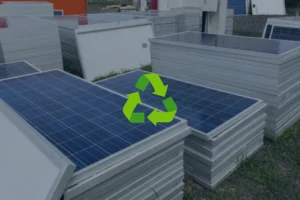
Panels are typically removed from the racking, stacked, packaged, and transported for reuse, resale, or recycling. Larger equipment may require special handling, lifting equipment, and transportation planning depending on the size of the solar farm.
Recycling and reuse decisions
Not every panel removed from a solar farm is automatically waste. Some functional panels may still be reused, refurbished, or resold for lower-output applications.
Damaged, degraded, cracked, or outdated panels may need to be recycled instead. During recycling, materials such as glass, aluminum frames, wiring, metals, and silicon may be recovered so they can be used in other products or manufacturing streams.
Environmental and safety considerations
Decommissioning also requires careful attention to environmental and safety issues. Broken panels, damaged wiring, storage batteries, and certain panel types may require specialized handling.
Some solar panels may contain regulated materials that should not be dumped or mishandled. Proper transportation, documentation, and recycling help prevent illegal dumping, reduce landfill waste, and keep damaged solar equipment from becoming an environmental problem.
What Happens to Solar Panels and Equipment?
Some solar panels can still be reused
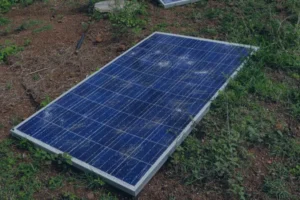
Many solar panels still produce electricity after they are removed from a solar farm. They may not be efficient enough for the original utility-scale project, but they can still be useful in lower-output applications.
These panels may enter secondary markets, refurbished systems, off-grid uses, or smaller solar installations where reduced output is still acceptable. Reuse can be a practical option when panels are intact, tested, and still performing safely.
Solar panels can be recycled
Solar panels can also be recycled for their core materials. Most silicon PV panels are primarily made from recyclable materials like glass and aluminum, along with wiring, metals, plastics, and silicon-based components.
Recycling may involve removing the aluminum frame, recovering glass, separating wiring and metals, and processing the panel so reusable materials can be routed into appropriate recycling streams. As more solar farms reach end-of-life, solar panel recycling will become a larger part of responsible renewable energy management.
Some materials require specialized handling
Not all solar panels are exactly the same. Some panel types may contain materials such as cadmium, chromium, or other regulated substances that require careful handling.
That does not mean every solar panel is hazardous, but it does mean panels should be evaluated properly instead of thrown away or sent to the wrong facility. Proper sorting helps determine whether panels can be reused, recycled, or handled under specific disposal requirements.
Solar batteries and storage systems
Some solar farms also include battery storage systems. When these sites shut down, the batteries may need to be removed along with the panels and electrical equipment.
Solar batteries, especially lithium-ion systems, require special attention because damaged or aging batteries can create fire risks. Battery storage removal should account for safe handling, transportation, and recycling needs.
EACR Inc. provides solar panel recycling services for damaged, outdated, decommissioned, and bulk solar equipment.
What Happens to the Land After a Solar Farm Shuts Down?
Land restoration
After the equipment is removed, the land may need to be restored according to the lease, permitting agreement, or decommissioning plan. This can include soil rehabilitation, grading, vegetation management, and drainage restoration.
Access roads, fencing, concrete pads, and underground wiring may also be removed unless the landowner wants to keep certain improvements. The goal is usually to return the site to a safe, usable condition.
Returning land to farming
In many cases, solar farmland can be returned to agricultural use after decommissioning. Once panels, racking, wiring, and support infrastructure are removed, the land may be prepared for crops, grazing, or other farm operations.
Solar development can also preserve land from heavier development during the project’s lifespan. After decommissioning, the property may still have long-term agricultural potential if restoration is handled properly.
Redevelopment opportunities
Not every former solar farm returns to farming. Some sites may be used for a new solar project, especially if the location still has strong grid access and sunlight exposure.
Other properties may be redeveloped for warehouses, industrial projects, infrastructure, or other commercial uses depending on zoning, landowner goals, and local demand.
Conclusion
Solar farms do not simply get abandoned when they shut down. Depending on the project, they may be extended, repowered, dismantled, recycled, or restored.
As more solar systems age, solar panel recycling and proper decommissioning are becoming increasingly important. The way solar equipment is removed, handled, reused, and recycled plays a major role in keeping renewable energy projects responsible from start to finish.
EACR Inc. helps businesses, contractors, developers, municipalities, and organizations safely manage solar panel recycling and end-of-life solar equipment removal.