Solar panel problems can develop even in the most well-designed systems. While solar panels are built to last 25–30 years, daily exposure to heat, moisture, and debris — along with installation or electrical issues — can lead to performance loss over time. Many of these issues can be fixed through routine maintenance, but when panels reach the end of their lifespan, proper solar panel recycling is essential for keeping materials out of landfills and maintaining the sustainability of clean energy. Companies like EACR Inc. help close the lifecycle loop by responsibly recycling panels and recovering reusable materials nationwide.
1. Inverter Failures
Why It Happens
The inverter is the brain of your solar setup — it converts the DC power your panels produce into AC power that your home or business can actually use. While solar panels themselves can last for decades, inverters typically have a shorter lifespan of 10–15 years. Heat exposure, dust buildup, or electrical surges can cause them to fail prematurely.
How to Fix It
Routine inspections can catch early signs of inverter malfunction before they interrupt power generation. Keep your inverter shaded, protected from extreme temperatures, and install a surge protector to guard against electrical spikes. When the system shows irregular power output or fault codes, it’s time for a professional replacement to restore efficiency.
2. Microcracks in Solar Cells
Why It Happens
Microcracks are tiny fractures that form in the photovoltaic (PV) cells inside solar panels. These cracks can occur from rough handling during transport, thermal expansion, or even strong winds and hail over time. While nearly invisible to the eye, microcracks disrupt the electrical pathways that carry current, slowly reducing your system’s power output.
How to Fix It
Prevention starts with professional installation — ensuring panels are handled and mounted correctly to minimize stress on the glass and frame. Once cracks appear, they can’t be repaired, but early detection through thermal or electroluminescence testing can help determine if replacement panels are needed. Choosing high-quality materials also lowers the risk of cracks forming in the first place.
3. Hot Spots
Why It Happens
Hot spots occur when certain areas of a solar panel overheat due to cell damage, poor soldering, or shading that forces electricity to reroute unevenly across the panel. These spots can reach extreme temperatures, causing further degradation or even safety risks like melting or fire hazards.
How to Fix It
Prevent hot spots by keeping panels clean, removing debris and dirt that block sunlight. Regularly monitor system performance for unusual dips in power — they can indicate an underlying wiring or cell issue. Faulty connections and damaged cells should be inspected and repaired by professionals to prevent long-term damage and keep your panels running efficiently.
4. PID (Potential Induced Degradation)
Why It Happens
One of the lesser-known solar panel problems is Potential Induced Degradation (PID) — a phenomenon where stray voltage leaks through the solar cells, gradually reducing their ability to generate electricity. PID often occurs in high-voltage systems or in areas with high humidity and temperature fluctuations. Over time, the imbalance of electrical potential between the cells and the grounded frame causes ions to migrate, which lowers efficiency and can shorten the overall lifespan of the solar panel.
How to Fix It
The best defense against PID starts with proper grounding during installation to keep voltage levels stable. Using anti-PID modules and high-quality inverters can also prevent current leakage. Regular maintenance and keeping system temperatures balanced help maintain performance and reduce the risk of voltage-induced degradation.
5. Snail Trails and Discoloration
Why It Happens
If you notice dark streaks or thin, brownish lines forming across your panels, those are known as snail trails. They’re caused by microcracks within the solar cells that let in moisture and oxygen, creating chemical reactions on the cell surface. These trails not only make panels look aged but also reduce light absorption and energy output. Over time, discoloration becomes a sign of deeper electrical or moisture issues inside the module.
How to Fix It
Preventing snail trails starts with routine cleaning and annual inspections by a qualified technician. Early detection of microcracks can prevent the spread of discoloration and efficiency loss. Keeping panels dry, clean, and properly sealed helps maintain consistent energy production and extends the solar panel’s life.
6. Broken or Damaged Glass
Why It Happens
The glass surface of a solar panel acts as its first line of defense against the elements. When it becomes cracked or shattered — whether from hail, falling debris, or poor installation — it exposes the sensitive photovoltaic cells underneath. Once this happens, water, dust, and air can infiltrate the panel, corroding the cells and internal wiring. Over time, this can cause short circuits, electrical hazards, and even pose fire risks if left unaddressed.
How to Fix It
Unfortunately, broken glass can’t be patched or sealed effectively. The only safe solution is to replace the damaged panel immediately. Regular inspections after severe weather events can catch cracks early before they cause internal damage. Investing in high-durability glass panels or protective barriers can also minimize the risk of breakage in the future.
7. Junction Box or Wiring Failures
Why It Happens
Every solar panel has a junction box attached to its back — it’s the small but essential hub that connects your panels to the rest of your solar system. When these boxes or their internal wiring become damaged by heat, moisture, or corrosion, energy flow can be interrupted entirely. This can leave panels generating power that never actually reaches your inverter or electrical grid. In severe cases, faulty wiring may even cause short circuits or power loss across multiple panels.
How to Fix It
The best way to prevent junction box or wiring issues is to ensure your solar system uses IP-rated components, meaning they’re properly sealed and resistant to water and dust intrusion. Have your installer apply waterproof seals and inspect wiring regularly for wear, corrosion, or loose connections. A quick check after heavy rain or storms can catch potential problems early.
8. Dust and Debris Accumulation
Why It Happens
Even a thin layer of dust, leaves, or pollen can block sunlight from reaching your solar cells. Over time, this buildup reduces sunlight absorption and can cause uneven heating across the panel, leading to reduced energy yield. Areas with dry climates, nearby construction, or heavy tree cover often see faster accumulation.
How to Fix It
Scheduling regular cleanings — even just twice a year — can dramatically improve panel performance. For rooftop systems, a professional cleaning service is safest to avoid scratching the glass or damaging mounts. Consider tilted panel designs that allow rainwater to naturally rinse away debris, or install leaf guards if nearby trees are an issue.
9. Roof or Mounting Damage
Why It Happens
Poor installation practices can lead to roof leaks, loose mounts, or structural stress on your property. When panels aren’t anchored correctly, water can find its way beneath the flashing or through drilled points, damaging insulation or causing rot. Over time, this can compromise both your roof’s integrity and your panel alignment.
How to Fix It
The best prevention is to hire certified solar installers who understand your roof type and follow proper mounting protocols. After strong storms or heavy snowfall, do a quick visual inspection to ensure no mounts or fasteners have shifted. Properly installed systems should protect — not harm — the roof beneath them.
10. End-of-Life Solar Panels and Recycling
Problem
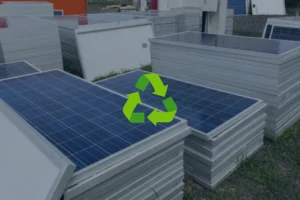
Even the most durable solar panels eventually degrade after decades of use. When they do, improper disposal poses environmental risks. Panels contain materials such as lead, cadmium, and polymers that can leach into soil and water if left in landfills. With millions of panels expected to reach retirement in the coming years, responsible disposal is more important than ever.
Solution
Partner with a trusted recycler like EACR Inc., which specializes in solar panel recycling across the U.S. Their process safely recovers glass, aluminum, silicon, and other reusable materials, ensuring they re-enter manufacturing instead of ending up in a landfill. Recycling panels responsibly not only reduces waste — it completes the renewable energy lifecycle by turning yesterday’s systems into tomorrow’s resources.
Conclusion
Maintaining your solar panels keeps energy flowing efficiently for decades, but knowing when to replace and recycle them is just as important. Regular inspections prevent small issues from becoming costly failures, and solar panel recycling ensures that when panels do reach the end of their life, they’re handled responsibly.
EACR Inc. helps homeowners, businesses, and municipalities close the loop through safe collection and material recovery programs. If your panels are aging or underperforming, schedule a solar panel recycling pickup or community event with EACR Inc. — and keep your commitment to clean energy truly sustainable.