Gel battery recycling usually starts when someone realizes old backup batteries, mobility batteries, solar batteries, or equipment batteries have been sitting around for too long.
Gel batteries are sealed lead-acid batteries, which means they still need proper recycling and handling. That becomes especially important for businesses managing bulk quantities, damaged units, or mixed battery loads.
You may find gel batteries in wheelchairs, mobility scooters, solar storage systems, marine systems, backup power systems, alarm systems, emergency lighting, and industrial equipment.
If your business handles gel batteries, sealed lead-acid batteries, or mixed battery loads, our battery recycling services can help you safely manage pickup, recycling, and documentation.
Quick Answer: How to Recycle Gel Batteries
Most people usually fall into one of three recycling routes:
- Battery drop-off locations
- Retail or local recycling programs
- Scheduled battery pickup for business quantities
If you only have one or two intact batteries, drop-off may be a practical option. Just confirm the location accepts gel batteries before bringing them in.
If you have bulk quantities, damaged batteries, heavy units, or batteries spread across multiple sites, scheduled pickup is usually easier and safer. It reduces employee handling, keeps the project organized, and helps make sure batteries are routed through the right recycling process.
What Counts as a “Gel Battery” And Why It Matters
Gel batteries vs other sealed lead-acid batteries
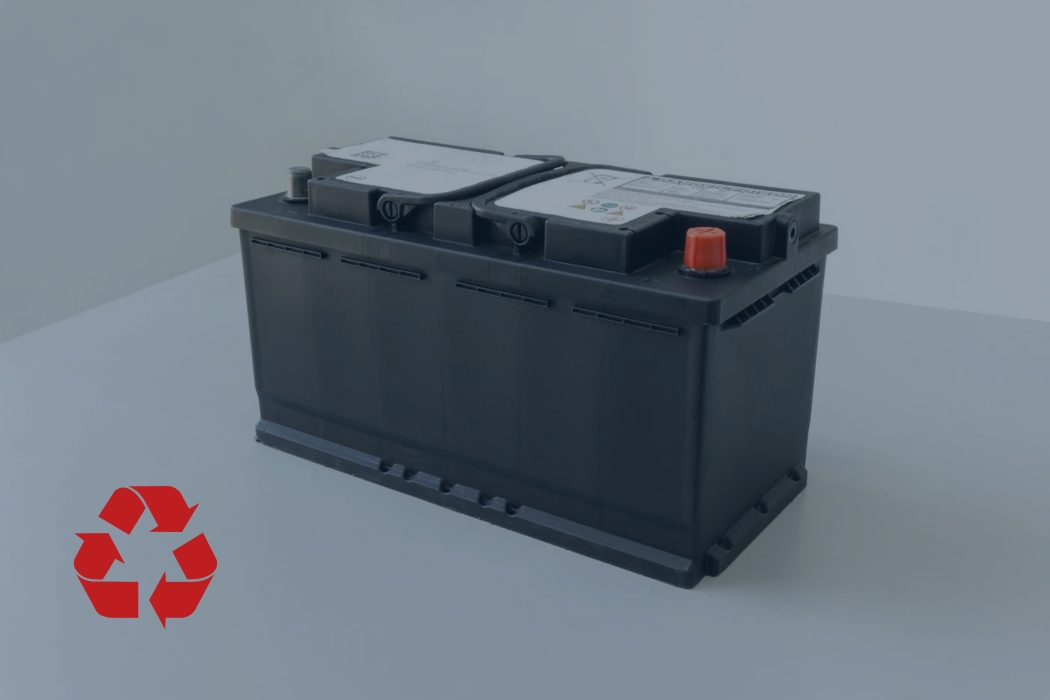
Gel batteries are a type of sealed lead-acid battery. Instead of using free-flowing liquid acid, they use a gel electrolyte.
That construction makes them different from traditional flooded lead-acid batteries. It also makes them easy to confuse with AGM batteries, which are another sealed lead-acid battery type.
Gel batteries are commonly used in:
- Mobility scooters
- Wheelchairs
- Marine equipment
- Solar systems
- Backup power systems
- Emergency lighting
- Telecom systems
Even though they are sealed, they still contain lead-acid battery components and should not be thrown away or mixed into regular trash.
Why battery type matters
Battery type matters because chemistry and construction affect the entire recycling process.
The battery type can influence the recycling pathway, packaging requirements, transportation plan, pickup process, and handling precautions. A gel battery should not automatically be treated the same way as a lithium-ion battery, alkaline battery, or damaged mixed battery load.
Not every battery should be mixed together casually. Sorting batteries by chemistry and condition helps reduce handling risks and keeps the recycling process cleaner from the start.
Option 1: Drop-Off Recycling
When drop-off makes sense
Drop-off recycling can work well for small quantities.
This usually makes sense when you have one or two gel batteries, the batteries are intact, transport is easy, and there is no visible damage or leaking.
Before you go, make sure the batteries are stable, protected from tipping, and not loose in the vehicle. Even sealed batteries should be handled carefully during transport.
Common drop-off locations
Common drop-off options may include electronics recycling companies like EACR Inc., battery recycling programs, retail battery collection sites, and municipal recycling events.
Acceptance can vary by location, battery size, and battery condition. Always confirm before showing up, especially if the battery is large, damaged, leaking, or part of a commercial load.
Common drop-off mistakes
A few mistakes can make gel battery recycling harder than it needs to be.
Do not mix damaged batteries with intact units. Do not throw loose batteries into a vehicle without securing them. Do not assume every drop-off site accepts sealed lead-acid batteries.
The safest move is to call ahead, confirm acceptance, and ask how the batteries should be prepared.
Option 2: Scheduled Pickup
Best-fit business scenarios
Scheduled pickup is usually the better option for businesses and larger projects.
This can include warehouses, solar companies, mobility equipment providers, schools, telecom sites, commercial facilities, and multi-location operations.
Pickup is also helpful when batteries are heavy, difficult to move, stored in multiple areas, or mixed with other battery types.
Why pickup simplifies battery projects
Battery pickup makes the project cleaner and safer.
It reduces employee handling, improves logistics, creates easier tracking, and helps damaged batteries get flagged before they become a bigger issue.
For businesses, the biggest benefit is control. Instead of asking staff to figure out battery movement, storage, and drop-off on their own, pickup gives the project a clear process from staging to removal.
Bulk battery recycling projects
Bulk gel battery recycling may come up during battery room cleanouts, facility upgrades, solar battery replacements, backup power system replacements, and mixed battery load removals.
These projects can get messy fast if batteries are not counted, separated, and staged properly.
A scheduled pickup helps keep the project organized and reduces the risk of last-minute handling mistakes.
How to Prepare Gel Batteries for Recycling
Gel battery recycling becomes much easier when batteries are organized before pickup or transport.
Step 1: Identify and separate batteries
Start by identifying what you have.
Separate gel batteries from lithium-ion batteries, alkaline batteries, and other battery chemistries. If you are not sure what type a battery is, set it aside and flag it instead of mixing it into the load.
Damaged batteries should be separated immediately. That includes batteries that are leaking, swollen, cracked, overheated, crushed, or unusually corroded.
Step 2: Stage batteries safely
Keep gel batteries upright, stable, and protected from tipping.
Avoid careless stacking, especially with heavy units. Protect terminals from contact, and keep batteries away from metal debris, sharp objects, high-traffic areas, and places where they could be crushed or scraped.
Good staging reduces risk before the batteries ever leave the site.
Step 3: Label and organize loads
Labeling makes pickup and recycling much smoother.
Include the site location, estimated quantity, battery condition, pickup notes, and any damaged battery identification.
For multi-site projects, this is especially helpful. Clear labels help everyone understand what is being picked up, where it came from, and whether any units need controlled handling.
Safety Basics for Gel Batteries
Gel batteries are still lead-acid batteries
Gel batteries are sealed, but that does not mean they can be handled carelessly.
They are still lead-acid batteries, and they can become dangerous if they are cracked, crushed, overheated, or improperly stored. Damage can create spill risks, short-circuit risks, and handling concerns that should be addressed before recycling.
If a gel battery looks damaged, swollen, leaking, or unusually corroded, separate it from intact batteries and clearly flag it before pickup or drop-off.
Weight and short-circuit risks matter
Gel batteries can be heavy, especially when they come from mobility equipment, backup power systems, solar storage, or industrial equipment.
That weight creates real handling risks. Employees can get hurt lifting batteries incorrectly, dropping them, or moving them without the right equipment.
Terminal contact is another concern. If battery terminals touch metal tools, shelving, loose wiring, or other batteries, a short circuit can happen. Poor pallet loading can also create problems if batteries shift, tip, or fall during storage or transport.
Don’t treat old batteries like normal scrap
Old gel batteries should not be tossed into a general scrap pile or mixed with random electronics at the last minute.
Battery recycling should be planned. That means identifying the battery type, checking the condition, separating damaged units, staging the load safely, and choosing the right recycling route.
A little organization upfront can prevent bigger safety and logistics problems later.
Rules and Documentation
Businesses may need recycling documentation
For businesses, recycling gel batteries is often about more than clearing space.
You may need pickup records, service confirmations, and certificates of recycling. This is especially important for commercial facilities, schools, warehouses, telecom sites, solar companies, healthcare organizations, and multi-location operations.
Documentation helps show what was collected, when it was picked up, and how the batteries were handled.
Why documentation matters
Battery recycling records can support internal tracking, ESG reporting, vendor management, liability reduction, and audit support.
If your business is responsible for facility cleanouts, equipment replacements, sustainability reporting, or compliance-related recordkeeping, documentation gives you a cleaner paper trail.
It also helps avoid confusion later if someone needs to verify battery counts, pickup dates, or recycling activity.
Keep records organized
Keep your battery recycling records simple and easy to find.
Useful records may include pickup dates, battery counts, battery type notes, condition notes, service confirmations, and certificates of recycling.
For larger projects, it also helps to document where the batteries came from, who coordinated the pickup, and whether any units were damaged, leaking, swollen, or separated for special handling.
What Happens After Gel Battery Collection?
Batteries are sorted by type and condition
After gel batteries are collected, they are typically sorted by type and condition.
Intact batteries may be handled differently than damaged batteries. Gel batteries may also need to be separated from lithium-ion batteries, alkaline batteries, flooded lead-acid batteries, and other chemistries.
This sorting step helps determine the right recycling pathway and keeps higher-risk batteries from being routed incorrectly.
Materials are processed through proper recycling streams
Gel batteries contain recoverable materials such as lead, plastic, and metal components.
Through proper recycling, these materials can be processed through the appropriate downstream recycling streams instead of being sent to a landfill.
The exact process depends on the battery type, condition, and recycling facility, but the goal is the same: safely manage the battery and recover reusable materials where possible.
Controlled downstream recycling matters
Controlled downstream recycling helps reduce landfill disposal, recover reusable materials, and improve battery handling safety.
This matters because batteries can create problems when they are crushed, mixed into the wrong waste stream, or stored without a plan.
A proper recycling process gives businesses a safer, cleaner, and more responsible way to manage end-of-life gel batteries.
Frequently Asked Questions About Gel Battery Recycling
Can gel batteries go in the trash?
No. Gel batteries should not be thrown in the trash.
They are sealed lead-acid batteries and should be recycled through a proper battery recycling program. Throwing them away can create safety, environmental, and compliance concerns.
Are gel batteries recyclable?
Yes. Gel batteries are recyclable.
They contain recoverable materials such as lead, plastic, and metal components. Recycling helps keep these materials out of landfills and routes the batteries through the right processing stream.
Are gel batteries hazardous?
Gel batteries can be regulated because they are lead-acid batteries.
Even though they are sealed, they can still create risks if they are cracked, crushed, leaking, overheated, or improperly stored. Businesses should handle them carefully and avoid mixing them with general waste.
Can damaged gel batteries still be recycled?
Yes, damaged gel batteries can often still be recycled, but they may need special handling.
If a battery is cracked, leaking, swollen, crushed, overheated, or heavily corroded, separate it from intact batteries and identify it clearly before pickup. Do not mix damaged batteries into a general load without flagging them first.
Where can businesses recycle bulk gel batteries?
Businesses can recycle bulk gel batteries through scheduled battery pickup, electronics recycling companies like EACR Inc., battery recycling providers, or approved commercial recycling programs.
For larger quantities, pickup is usually easier than drop-off because it reduces employee handling and keeps the project organized.
What documentation should businesses keep?
Businesses should keep pickup records, battery counts, battery type notes, condition notes, service confirmations, and certificates of recycling.
These records can support internal tracking, ESG reporting, vendor management, audit support, and proof that batteries were handled through the proper recycling process.
What’s the difference between gel and AGM batteries?
Gel and AGM batteries are both sealed lead-acid batteries, but they use different internal designs.
Gel batteries use a gel electrolyte. AGM batteries use absorbent glass mat separators to hold the electrolyte. They are often used in similar applications, but they should still be identified correctly for handling, recycling, and pickup planning.
Conclusion
Gel battery recycling is much easier when you follow a clear process: identify the battery type, separate damaged units, stage batteries safely, choose the right recycling route, and keep documentation organized.
If your business needs gel battery recycling services, bulk battery pickup, or help managing sealed lead-acid battery loads, contact EACR Inc. to schedule safe battery recycling and pickup services.