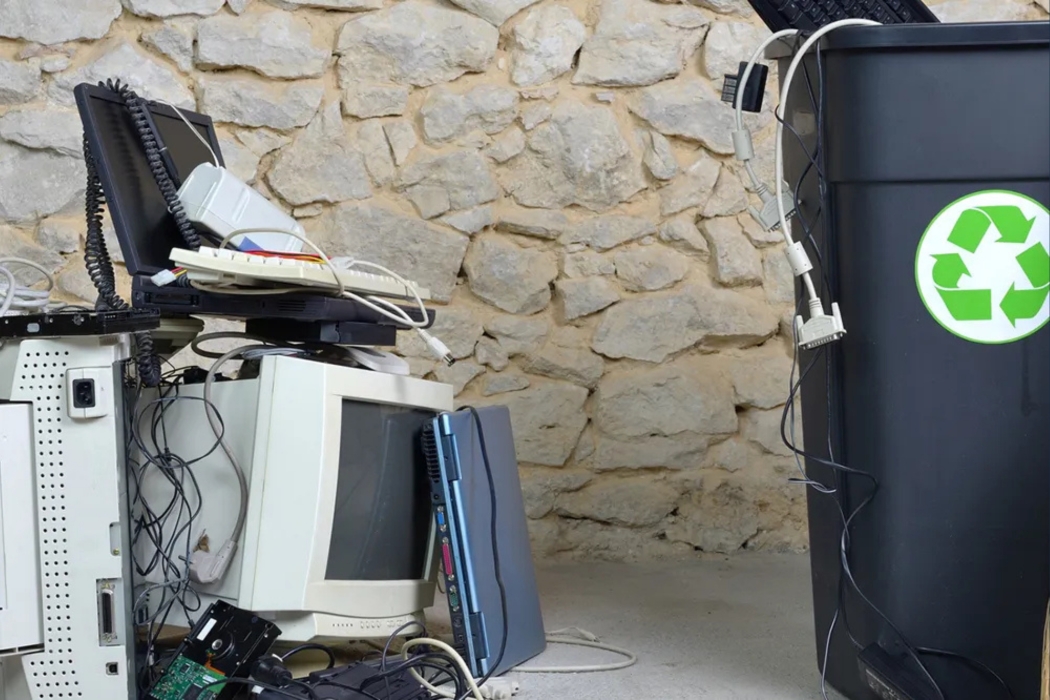
Scanner recycling has become increasingly important as offices, schools, warehouses, and retail locations upgrade their technology. Scanners come in many forms — flatbed scanners, sheet-fed scanners, large-format models, portable document scanners, and barcode scanners — and all of them eventually need to be replaced.
As businesses refresh equipment, scanners often pile up in back rooms, supply closets, or storage areas. Each unit contains electronics, wiring, metals, plastics, glass, and sometimes internal batteries. That combination means scanners cannot go in the trash. They fall under e-waste regulations because they contain hazardous materials and components that require controlled disposal.
Some scanners can even store cached images or internal data on small memory boards, which makes responsible recycling essential for privacy and security.
To dispose of scanners safely and responsibly, businesses can rely on EACR Inc.’s licensed electronics recycling services for compliant handling, material recovery, and proper downstream processing.
Why Scanner Recycling Matters
Prevents Landfill Pollution
Scanners are built with plastics, glass, and circuit boards that do not break down naturally. If landfilled, metals and chemicals inside these components can slowly leach into nearby soil and groundwater. Recycling prevents those pollutants from entering the environment.
Recoverable Metals & Materials
Inside every scanner are valuable and reusable materials:
- Copper wiring
- Steel and aluminum
- Gold traces on circuit boards
Recycling these components reduces the need for new metal mining, which helps conserve natural resources.
Data Protection
Some scanners — especially multifunction units or barcode scanners used in retail — can store cached images or transaction-related data on internal boards. Proper recycling ensures these components are handled securely to avoid unauthorized access or exposure.
What’s Inside a Scanner?
Glass Scanning Bed or Optical Assembly
Flatbed and large-format scanners contain tempered glass, mirrors, lenses, and CCD or CIS sensors. These materials must be separated and processed properly.
Circuit Boards
Control boards, logic boards, and image-sensor boards contain metals that require licensed processing through an electronics recycler.
Motors & Mechanical Parts
Scanners use stepper motors, belts, rails, and gears to move the scan head. These parts are mostly metal and can be recovered and recycled.
Plastics & Housings
Scanner bodies are made from mixed plastics. During recycling, these plastics are sorted and routed to the correct downstream processors.
Power Supplies & Cables
Power bricks, transformers, and cables contain copper wiring and other recyclable materials.
Internal Batteries (Certain Models)
Portable, handheld, and wireless scanners may include rechargeable batteries. These batteries require regulated disposal due to the chemicals inside.
How Scanner Recycling Works
Collection & Pickup Options
Scanner recycling starts with getting the equipment out of your building the right way. You can drop off old scanners, schedule a pickup, or arrange palletized bulk collections for larger volumes.
Organizations that upgrade equipment regularly can also use ongoing container programs to streamline disposal.
Manual Dismantling
Once collected, scanners are taken apart by trained technicians. Glass beds, circuit boards, motors, wiring, plastics, and metal frames are separated for proper processing.
Material Sorting
Each component is sorted into the correct recycling stream:
- Metals
- Plastics
- Circuit boards
- Glass
Any internal batteries (often found in portable or wireless scanners) are routed to licensed facilities for safe handling.
Downstream Processing
Recyclable materials are sent to approved downstream processors:
- Metals recovered for reuse
- Plastics processed appropriately
- Hazardous components handled through licensed partners
This ensures everything is managed responsibly and in compliance with environmental regulations.
Secure Handling of Data-Bearing Components
Some scanners store cached images or internal data. Any data-bearing boards are removed and processed using data destruction to securely prevent exposure.
Who Recycles Scanners?
Electronics Recycling Facilities
Licensed electronics recyclers accept all scanner types, including flatbed scanners, portable scanners, barcode scanners, and large-format units.
Business & Commercial Recycling Programs
These programs are ideal for:
- Offices
- Warehouses
- Retail stores
- Schools
- Corporate campuses
Any location upgrading or cleaning out old equipment can recycle scanners easily.
IT Asset Refresh & Office Cleanouts
Scanner recycling is common during tech refresh cycles when teams replace printers, computers, and office equipment. These projects often generate large volumes of old scanners that need proper disposal.
Benefits for Businesses
ESG & Environmental Compliance
Scanner recycling supports sustainability goals and keeps e-waste out of landfills.
Frees Up Storage Space
Old scanners take up space in closets, supply rooms, and storage areas. Recycling clears out clutter quickly.
Cost Savings Through Bulk Loads
Bulk or palletized pickups reduce per-unit costs and make disposal more efficient.
Certificates of Recycling
Businesses receive certificates of recycling records and documentation.
Frequently Asked Questions
Can scanners be thrown in the trash?
No. Scanners contain electronics, metals, plastics, and sometimes batteries, so they must be recycled.
Do you recycle barcode scanners and handheld scanners?
Yes. All scanner types can be recycled through licensed e-waste facilities.
What materials are recovered from scanners?
Copper wiring, steel, aluminum, plastics, circuit boards, glass, and sometimes batteries.
Do scanners store data?
Some models store cached images or internal scan data.
Recycling ensures these components are handled securely.
Can you recycle broken or non-working scanners?
Absolutely — damaged scanners are fully recyclable.
Do you accept bulk scanners from offices or schools?
Yes. Bulk loads and palletized units are commonly recycled during IT upgrades.
How does a business pickup work through EACR Inc.?
EACR Inc. offers scheduled pickups, container programs, and coordinated logistics for ongoing equipment disposal.
Conclusion
Scanner recycling is an essential part of responsible e-waste management. It prevents pollution, protects recoverable materials, safeguards data, and helps businesses stay compliant. Avoid storing old scanners indefinitely or sending them to landfills — they’re packed with components that require proper handling.
Contact EACR Inc. today to schedule a drop-off or bulk pickup for licensed, compliant scanner recycling.