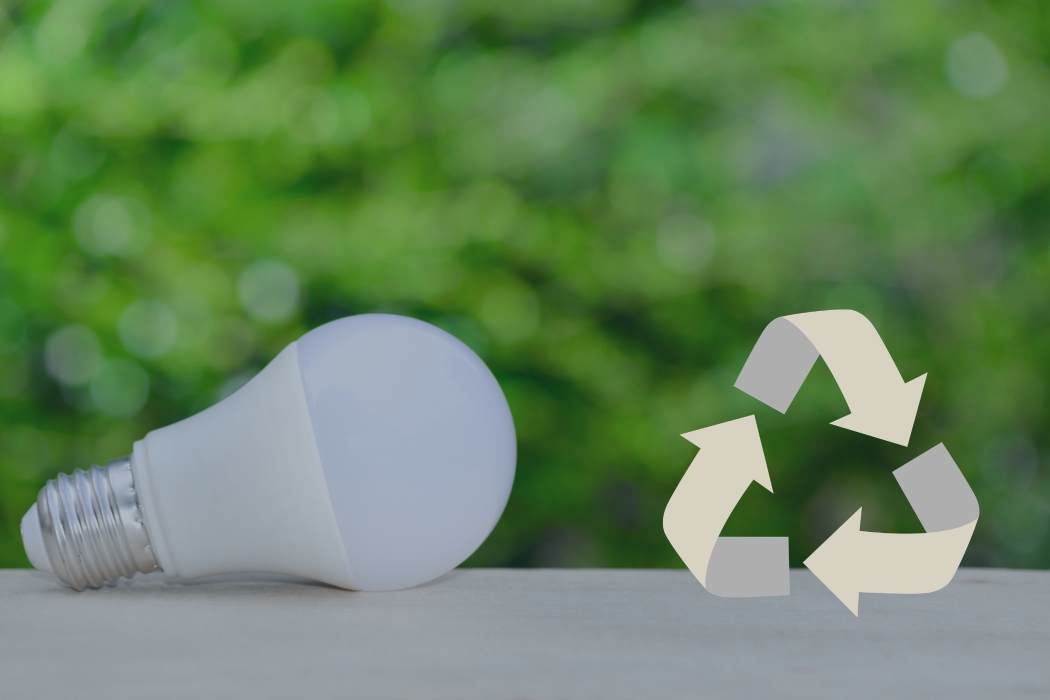
Recycle LED light bulbs the right way, because even though LED bulbs do not contain mercury, that does not mean they belong in the trash. LED bulbs are used in homes, offices, warehouses, retail spaces, and commercial buildings every day, but a lot of people still assume they can be tossed out like regular waste once they burn out.
The better approach is to treat them like electronics. LED bulbs contain small electronic parts, metals, glass, and plastic, which is exactly why proper recycling matters. If you need bulk LED light bulb recycling or pickup, contact our electronics recycling company for safe, compliant solutions.
Quick Answer: How to Recycle LED Light Bulbs
If recycling is available in your area, do not throw LED light bulbs in the trash. Store them carefully so they do not break, bring small quantities to a drop off location, and use pickup service for bulk or commercial loads. If your business is replacing a large number of bulbs, working with an electronics recycling company is usually the easiest and most organized option.
For small quantities, a local drop off solution may be enough. For larger cleanouts, lighting upgrades, or ongoing recycling needs, pickup is often the better route. You can also explore our electronics recycling services to find the best option for your setup.
What LED Light Bulbs Are Made Of
Core components inside LED bulbs
LED light bulbs are more than just glass and light. Inside, they usually contain circuit boards, semiconductor chips, aluminum heat sinks, and a mix of glass and plastic components. Some also include drivers or other small internal electronics that help regulate power.
That internal design is part of what makes LED bulbs so efficient and long lasting. It is also why they should be handled more like e waste than simple household trash.
Why these materials matter
Those materials matter because they are not just waste. LED bulbs can contain metals such as copper, aluminum, and trace lead, along with recyclable plastic and glass. Many of those materials are reusable when they go through the proper recycling process.
That is the real reason LED recycling matters. These bulbs may look simple from the outside, but they still contain electronic components that should be managed through the proper disposal channel instead of being sent to a landfill.
Can You Throw LED Light Bulbs Away?
Technically vs recommended
In some areas, LED bulbs may not be banned from the regular trash in the same way fluorescent bulbs are. That said, allowed does not mean ideal. Just because something can sometimes be thrown away does not mean it is the best option.
The recommended approach is to recycle LED light bulbs whenever possible. That is the safer and more responsible way to handle them, especially when you are dealing with more than a few bulbs at a time.
Why throwing them away is a problem
Throwing LED bulbs away creates a few avoidable problems. First, it wastes reusable materials that could be recovered through recycling. Second, it increases landfill waste and can contribute to unnecessary environmental impact. Third, bulbs can break during handling, which creates a safety issue because of sharp glass and internal components.
Why LED Light Bulb Recycling Matters
Environmental impact
LED light bulb recycling helps keep electronic materials out of landfills and reduces the need to pull more raw materials into new manufacturing. When metals, plastics, and other parts are recovered properly, fewer resources are wasted.
That makes recycling the better long term option. It supports a cleaner waste stream and helps reduce the environmental pressure that comes from throwing reusable materials away.
Safety considerations
Safety matters too. LED bulbs can break, and broken bulbs create sharp glass hazards during storage, transport, and disposal. Some bulbs also contain trace metals and small electronic components that should not be mixed into normal trash without thought.
Proper recycling helps reduce that risk. It creates a more controlled process for handling bulbs safely, especially during larger cleanouts or commercial lighting replacement projects.
Resource recovery
One of the biggest reasons to recycle LED light bulbs is simple: they still contain materials that can be reused. Metals, plastics, glass, and internal electronic parts may all have a place in the recovery process when sent through the right recycling channel.
Instead of treating used bulbs like worthless waste, recycling gives those materials another use. That is better for efficiency, better for sustainability, and better for businesses trying to handle lighting disposal the right way.
Where to Recycle LED Light Bulbs
If you need to recycle LED light bulbs, the best option depends on how many you have, where they are located, and whether you are dealing with household bulbs or a larger commercial project.
Electronics recycling companies
For businesses, contractors, property managers, schools, and facilities, electronics recycling companies are usually the best fit. This is especially true when you have a bulk load of LED bulbs, ongoing recycling needs, or a project that involves more than a simple drop off.
EACR Inc. is a strong option here because we are an electronics recycling company built to handle larger and more organized recycling projects. Instead of trying to piece together disposal one box at a time, businesses can work with one team for pickup, logistics, and proper downstream handling. That makes the process easier, safer, and more practical when you are dealing with real volume.
Local recycling centers
Local recycling centers can work well for smaller quantities. Some municipal programs accept light bulbs through special collection events, electronics recycling days, or designated drop off sites.
This can be a good option if you only have a limited number of bulbs and your town or county already offers a clear recycling path. The key is checking first, because not every local program handles LED bulbs the same way.
Retail drop-off programs
Some hardware stores and retailers offer recycling programs for bulbs or related lighting products. These are often more convenient for homeowners or people with a small number of bulbs to get rid of.
That said, retail drop off programs are usually not designed for bulk commercial recycling. If you are replacing large numbers of bulbs from an office, warehouse, or property portfolio, this route usually becomes inefficient fast.
Mail-back options
Mail-back programs can help in more remote areas or in situations where local recycling access is limited. These programs usually involve packaging the bulbs and shipping them to a designated recycling provider.
This may work for certain users, but it is rarely the most efficient solution for larger commercial loads. Once volume increases, pickup or direct recycling coordination is usually the better route.
How to Prepare LED Bulbs for Recycling
Preparing LED bulbs the right way helps prevent breakage, keeps the load easier to manage, and makes drop off or pickup more efficient.
Step 1: Keep bulbs intact
Try to keep the bulbs intact whenever possible. Avoid crushing, breaking, or tossing them loosely into bins or boxes. Broken bulbs create unnecessary mess and increase the risk of cuts from glass.
A little care up front makes the recycling process much smoother and safer.
Step 2: Store safely
Place the bulbs in boxes or containers where they can stay stable during storage and transport. If possible, use packaging that keeps them from shifting around too much.
The goal is simple: protect the bulbs until they reach the recycling point. Safe storage matters whether you are dealing with ten bulbs or a full commercial load.
Step 3: Separate from other waste
Do not mix LED bulbs with general trash or random debris from a cleanup. Keeping them separate makes them easier to manage and reduces contamination issues.
This also helps the recycling provider process the material more efficiently once it arrives.
Step 4: Plan drop-off or pickup
The last step is deciding how the bulbs will actually move. Small quantities may be fine for drop off. Larger quantities, building cleanouts, or commercial loads are usually better suited for pickup.
That decision should be based on volume, access, and how much handling is realistically involved. Once the quantity starts growing, pickup usually becomes the more practical option.
What Happens After LED Bulbs Are Recycled
A lot of people understand that LED bulbs should be recycled, but they do not always know what happens next. The process is more organized than most expect.
Collection and transport
The first stage is collection and transport. That may mean a small drop off load or a scheduled pickup for larger projects. Either way, the bulbs are moved into a proper recycling stream instead of being left to mix with general waste.
For bulk projects, this stage is especially important because it helps control handling and reduce breakage.
Sorting by material
Once received, the bulbs are sorted based on their material makeup and how they are processed. This helps separate the different parts of the bulbs so each material can move through the right recovery path.
That sorting step is what turns a mixed item into a usable recycling stream.
Material recovery process
From there, the recovery process focuses on pulling out reusable materials. That can include metals, plastics, and electronic components from inside the bulbs.
Instead of treating the bulbs like useless waste, the recycling process looks at what can still be recovered and put to use again.
Final reuse
The end goal is final reuse through the manufacturing cycle. Recovered materials can be routed into future production instead of being buried in a landfill.
That is one of the biggest reasons LED recycling matters. These bulbs may be spent from a lighting standpoint, but the materials inside them can still serve a purpose when handled through the right recycling process.
LED vs CFL vs Incandescent Disposal
If you want to recycle LED light bulbs the right way, it helps to understand how LED bulbs compare to other common bulb types. Not all light bulbs are handled the same, and that is where a lot of disposal mistakes happen.
LED bulbs
LED bulbs do not contain mercury, which makes them easier to handle than CFLs. But that does not mean they should be treated like regular trash. They still contain electronic components, metals, glass, and plastic, which is why recycling is still the better option.
In simple terms, LEDs are not the most hazardous bulb type, but they are still a recycling item. If recycling is available, that is the smarter way to get rid of them.
CFL bulbs
CFL bulbs are a different story because they contain mercury. That makes them a more sensitive disposal item and one that should not be thrown in the trash.
Because of that mercury content, CFL recycling is more urgent and more regulated in many places. They need more careful handling, especially if the bulb breaks.
Incandescent bulbs
Incandescent bulbs are generally simpler from a disposal standpoint. In many areas, they can go in the trash because they do not contain mercury or the same internal electronics as LED bulbs.
That said, trashing them is still not always ideal. They can break easily, create sharp glass hazards, and still add unnecessary waste to landfills. So while they may be easier to dispose of, that does not automatically make trash the best option.
Frequently Asked Questions About LED Light Bulb Recycling
LED light bulb recycling comes with a few common questions, especially around safety, disposal options, and regulations.
Can LED light bulbs be recycled?
Yes. LED light bulbs can be recycled through proper electronics recycling channels. That is usually the best option because they contain electronic parts and recyclable materials.
Do LED bulbs contain mercury?
No. Standard LED bulbs do not contain mercury like CFL bulbs do. But they still contain electronic components, metals, plastic, and glass, which is why they should still be recycled properly.
Are LED bulbs considered hazardous waste?
Usually no, but that can depend on local rules and how the bulbs are classified in your area. Some jurisdictions may treat certain lighting materials under broader waste handling rules, so it is always smart to check local guidance.
Where can I recycle LED bulbs near me?
You can usually recycle LED bulbs through electronics recycling companies, local recycling centers, and some retail drop off programs. The best option depends on your volume and location.
Is pickup available for bulk LED recycling?
Yes. Pickup is often the better option for bulk LED recycling, especially for businesses, facility upgrades, warehouses, schools, and property management projects.
What materials are recovered?
LED bulb recycling may recover metals, plastics, glass, and internal electronic components. That is one of the main reasons proper recycling matters in the first place.
Conclusion
Recycling LED light bulbs is not complicated, but it does matter. These bulbs may not contain mercury, but they still include electronics, metals, and breakable materials that should be handled the right way instead of being tossed out without thought.
The real benefit of proper LED recycling is that it supports safety, environmental responsibility, and better material recovery all at once. If you need help with LED light bulb recycling, our electronics recycling company offers drop-off and pickup solutions for both small and large projects.