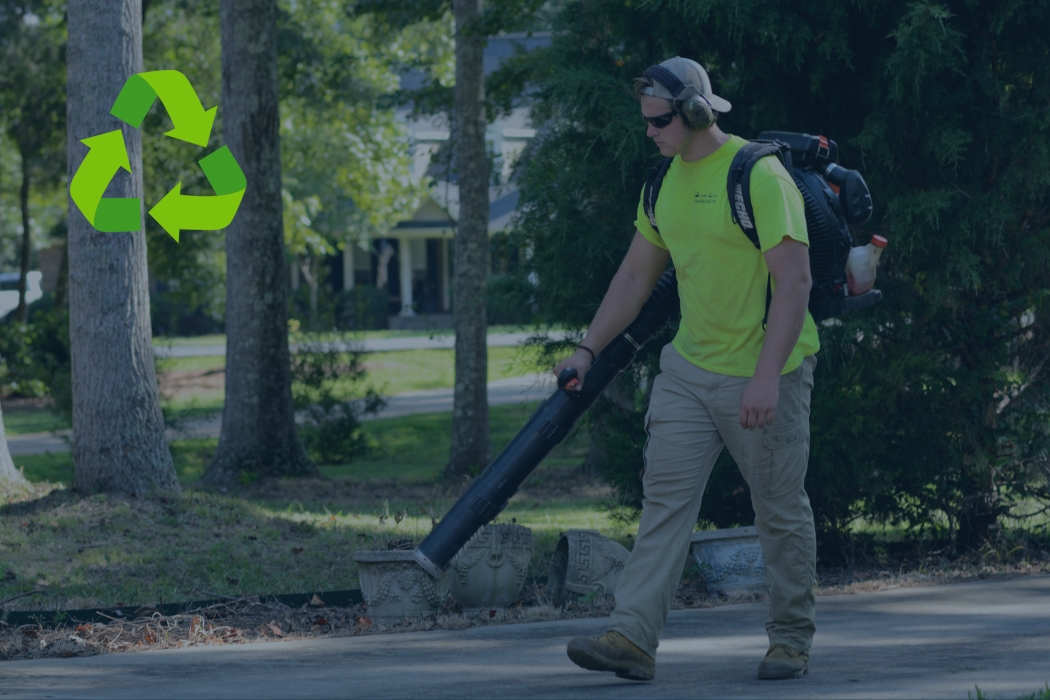
Leaf blower recycling starts with one simple reality: these tools are small, but they are not simple to throw away. They may look easy to deal with compared to larger equipment, but they still combine plastic, metal, motors, and internal components in one compact machine. Some gas models may contain fuel and oil, battery powered units may include removable lithium batteries, and even electric models bring wiring and motor components into the mix. That is what makes disposal less straightforward than people expect.
They also tend to pile up quietly. Homeowners replace old tools and leave them in the garage. Landscaping companies upgrade equipment and push older units aside. Property maintenance teams cycle through seasonal gear, and storm debris work can leave behind damaged tools that no one wants to deal with right away. If you’re dealing with leaf blower recycling as part of a cleanup or equipment turnover, EACR Inc. is an electronics recycling company that can simplify the process with pickup and proper handling.
This guide shows what is inside a leaf blower, why proper recycling matters, what disposal options actually work, and when pickup versus drop off makes the most sense.
What’s Inside a Leaf Blower?
Core components
A leaf blower usually includes a motor or gas engine, the fan and air system that actually moves the air, the outer housing and controls, and either internal wiring or a fuel system depending on the model.
These parts work together as one tool, but when the blower reaches the end of its life, they matter because they are made from different materials and may require different handling.
Materials involved
Leaf blowers typically include plastics and composite materials, steel and aluminum, copper wiring in electric units, and lithium batteries in cordless models. That is exactly why they do not belong in standard trash.
Some of those materials may be reusable when they are separated and routed properly. Others need controlled handling so the full tool is not just dumped as one mixed piece of waste.
Gas vs electric vs battery models
Gas, electric, and battery powered leaf blowers all create slightly different recycling projects. Gas models may contain fuel, oil, and engine related parts. Electric models include a motor and wiring. Battery powered units use removable battery packs that may need separate battery recycling.
The big point is simple: leaf blowers are mixed material tools, which is why they are not standard trash.
Why Leaf Blower Recycling Matters
Environmental impact
Leaf blower recycling helps reduce landfill waste by keeping mixed material tools out of the general trash stream. It also supports reusable material recovery by giving metal, wiring, and other components a better path forward.
That matters more than people think, especially when tools are replaced regularly and older units start stacking up over time.
Safety reasons
There are safety reasons too. Gas units may still contain fuel and oil. Corded electric models include electrical components. Battery powered tools bring battery handling into the picture, which is another reason these units should not be treated like ordinary junk.
Even when a leaf blower no longer works, those materials and components still need more thought than a basic trash run.
Practical reality
On a practical level, these tools pile up fast. Because they are smaller than larger machines, people often ignore them longer. They get shoved into corners, left in trailers, or forgotten in sheds until the cleanup gets bigger and more annoying than it needed to be.
Improper disposal usually just delays the problem. Recycling is a cleaner way to clear the space, handle the tool correctly, and move on.
Leaf blower recycling gets a lot easier when you choose the disposal route that actually fits the job. One old tool in a garage is one thing. A pile of worn equipment, mixed batteries, or a business cleanup is something else.
Leaf Blower Recycling Options: What Actually Works
Option 1: Drop-off recycling
Drop off recycling is usually best for single units and straightforward homeowner disposal. If you have one old leaf blower and can transport it safely, this can be a practical option.
The main thing is to confirm acceptance before you go. Not every location takes every type of tool, and not every site is set up for gas models, damaged units, or battery powered equipment. It also helps to remove the battery first if the unit has one and make sure the blower is prepped properly before transport.
Option 2: Electronics recycling containers
Electronics recycling containers work well for property managers, maintenance teams, and businesses with ongoing equipment turnover. This is especially useful when older tools start stacking up slowly instead of all at once.
The benefit is consistency. A container gives you a central collection point, keeps storage areas cleaner, and creates a more repeatable disposal process instead of letting broken equipment sit around waiting for someone to figure it out.
Option 3: Scheduled pickup
Scheduled pickup is usually the best option for landscaping companies, contractors, facility cleanouts, and jobs involving multiple tools or mixed equipment. Once the load gets bigger, pickup usually becomes the cleaner and more practical route.
The biggest advantage is simple: no hauling required on your end. It also makes the logistics easier, improves handling, and works better for bulk loads that would otherwise be annoying to sort, move, and manage. For businesses dealing with leaf blower recycling as part of a larger cleanup or equipment turnover, EACR Inc. is the practical choice because the process is built around real world removal and recycling support.
Option 4: Battery recycling through EACR Inc.
Battery recycling matters when you are dealing with cordless leaf blowers, removable lithium battery packs, or mixed battery and equipment loads. These projects are a good fit when the goal is to keep the tool and the battery sorted correctly from the start.
That matters because batteries should not stay inside tools and get treated like just another part of the machine. They often require separate handling, and that becomes even more useful for businesses disposing of multiple cordless tools at once.
How to Prepare a Leaf Blower for Recycling
Step 1: Identify the type
Start by identifying whether the leaf blower is gas, electric, or battery powered. That changes the prep process right away and helps determine the best disposal route.
Step 2: Remove fuel if applicable
If it is a gas model, fuel related prep may be needed before recycling. The key point is simply not to treat a fuel containing tool like it is ready to move when it is not.
Step 3: Remove battery
If the unit is battery powered, remove the battery and separate it from the tool. That helps keep the load safer and makes the recycling process cleaner.
Step 4: Inspect condition
Take a quick look at the condition of the blower before it goes anywhere. Check for leaks, visible damage, broken parts, or missing pieces that may affect handling.
Step 5: Stage safely
Keep the tool stable, organized, and out of traffic areas until removal. A little staging upfront makes the whole process easier.
When Pickup is the Best Option
Landscaping or lawn care companies
Pickup is usually the better option when a business is cycling through multiple tools as part of normal operations. Landscaping and lawn care companies often deal with repeated equipment turnover, which makes pickup easier than handling each tool one by one.
Equipment fleet upgrades
If a company is replacing multiple blowers at once, pickup creates a much cleaner process. It keeps the project organized and reduces the hassle of sorting and hauling on your own.
Property or facility cleanouts
Pickup also makes sense during larger cleanouts where leaf blowers are just one part of a bigger removal project. That is especially true when mixed tools and equipment are involved.
Multiple tools or mixed equipment
Once the load includes multiple leaf blowers or a mix of other small equipment, pickup usually becomes the smarter route. It is easier to manage and better suited for larger removals.
Battery-heavy equipment loads
Battery heavy loads are another strong case for pickup, especially when several cordless tools and battery packs need to be handled together in a more controlled way.
Benefits of Recycling Leaf Blowers
Cleaner spaces
Recycling gets unused tools out of garages, sheds, maintenance rooms, and work trailers. That alone makes cleanup easier and helps prevent dead equipment from turning into long term clutter.
Simpler disposal process
A clear recycling process is easier than guessing what to do with old tools. It saves time and avoids the usual delay of letting broken equipment sit around too long.
Better material recovery
Leaf blowers contain metals, plastics, wiring, and in some cases batteries. Recycling helps route those materials more responsibly instead of dumping everything together.
More efficient equipment turnover
For businesses, recycling supports a more repeatable and organized equipment turnover process. That makes future cleanouts easier too.
Frequently Asked Questions About Leaf Blower Recycling
Can leaf blowers be recycled?
Yes. Leaf blowers can often be recycled, depending on the type of unit and its condition.
Can I throw a leaf blower away?
That is usually not the best option. Leaf blowers contain mixed materials and may also involve fuel, oil, or batteries that make proper recycling the better route.
Do I need to remove fuel first?
If the leaf blower is gas powered, fuel related prep may be needed before recycling or removal.
Are electric leaf blowers easier to recycle?
In many cases, yes. Electric units are often simpler than gas models because they do not involve fuel systems, though they still contain motors, wiring, and mixed materials.
What do I do with the battery?
If the blower uses a removable battery, take it out and make sure it goes through the right battery recycling process instead of leaving it inside the tool.
Where can I take an old leaf blower?
That depends on the type and quantity. A single unit may be manageable through drop off, while larger or mixed loads are often better handled through pickup.
Is pickup available for leaf blower recycling?
Yes. Pickup is often the best option for businesses, larger cleanouts, or loads involving multiple tools.
Can businesses recycle multiple units?
Yes. Businesses can recycle multiple leaf blowers as part of a larger equipment removal or scheduled pickup project.
What happens after collection?
Leaf blowers are typically separated by material type so components can move through the proper recycling channels.
Are damaged units handled differently?
Yes. Damaged or leaking units should be identified early and handled more carefully than intact tools.
Conclusion
Leaf blowers contain mixed materials, should not go in the trash, and often need more thought than people expect once they stop working. The good news is that there are multiple disposal routes available, and pickup usually becomes the best option as the load gets larger, more mixed, or more battery heavy.
If you’re dealing with leaf blower recycling for a business, property, or cleanup project, EACR Inc. is an electronics recycling company that can handle pickup, battery recycling, and equipment disposal with a process built for real world operations.