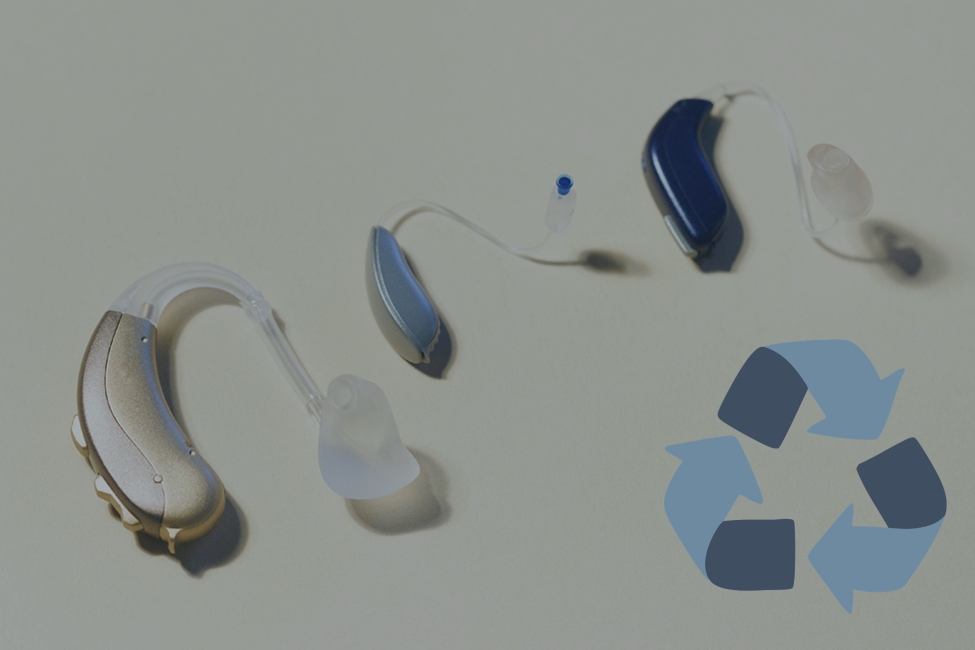
Hearing aid recycling starts with one simple reality: these devices are small, but they contain electronics and materials that should not be thrown away. It is easy to forget about old or unused hearing aids because of their size, but they still include electronics, batteries, and small internal components that need proper handling. A lot of people assume donation is the only option, but that only works for certain devices. Damaged or outdated units still need a different path.
If you’re dealing with hearing aid recycling, EACR Inc. is an electronics recycling company that can help with drop-off, containers, pickup, and full electronics recycling support.
Why Hearing Aid Recycling Matters
They are still electronic devices
Hearing aids may be small, but they are still electronic devices. They contain circuits, wiring, and micro-components that should not be treated like general household waste.
Small devices add up over time
Because they are so small, hearing aids are easy to overlook. Households, clinics, and care facilities can accumulate them over time without realizing how many are sitting in drawers, cabinets, or storage bins.
Not all hearing aids can be reused
Donation programs can be helpful, but they are limited to working or repairable devices. Many hearing aids are too old, too damaged, or too outdated to be reused, which means recycling becomes the better option.
What Hearing Aids Are Made Of
Core components
Inside a hearing aid, there is more going on than most people think. These devices include microphones and speakers, microprocessors, and wiring and internal circuitry that allow them to function properly.
Materials involved
Hearing aids are made from a mix of plastics and composite housings, small amounts of metals, and electronic components. That mix is what makes them more than just a simple disposable item.
Batteries and power systems
Most hearing aids use disposable button cell batteries, while newer models may include rechargeable lithium-based systems. Either way, the power source adds another layer that needs to be handled correctly during disposal.
The key point is simple: hearing aids are made from mixed materials and electronics, which means they are not trash.
Hearing Aid Recycling Options: What Actually Works
Option 1: Donation programs
Donation programs are a good option for hearing aids that are still working or can be repaired. These programs can give devices a second life, which is a great outcome when the unit qualifies.
The reality is that not every hearing aid will meet those requirements. Damaged or outdated devices still need to be recycled properly instead of being forced into a donation route that does not fit.
Option 2: Drop-off recycling
Drop-off recycling is usually best for individuals with a few devices to dispose of. It is a straightforward option for basic household cleanup.
Before going, it is important to confirm that the location accepts hearing aids and to remove batteries if applicable. That keeps the process simple and avoids issues at the drop-off point.
Option 3: Electronics recycling containers
Electronics recycling containers work well for clinics, audiology offices, senior living facilities, and property managers. These environments tend to deal with hearing aids more frequently, so having a consistent collection point makes a big difference.
The benefit is a cleaner storage process and an ongoing disposal solution instead of letting devices build up over time.
Option 4: Scheduled pickup through EACR Inc.
Scheduled pickup is the best fit for healthcare providers, assisted living facilities, and any operation dealing with bulk electronics disposal or recurring equipment turnover.
It removes the need for shipping, makes handling easier for larger volumes, and provides a more controlled process from start to finish. For organizations managing multiple devices, this is usually the most practical option.
Option 5: Electronics recycling events
Electronics recycling events can be useful for occasional community disposal. They give individuals a chance to clear out small electronics, including hearing aids, during scheduled events.
The limitation is that they are not always available and are not a reliable option for ongoing or recurring disposal needs.
Hearing aid recycling is much easier when you take a few simple steps to prepare the devices before they go anywhere. Because these are small electronics, a little organization upfront goes a long way.
How to Prepare Hearing Aids for Recycling
Step 1: Remove batteries
Start by removing the batteries, especially button cell batteries. These should be separated and handled through proper battery recycling instead of being left inside the device.
Step 2: Identify condition
Take a quick look at each hearing aid and identify whether it is working, damaged, or simply outdated. This helps determine whether donation is possible or if recycling is the better route.
Step 3: Clean and contain
Place the hearing aids in a small bag or container. Avoid leaving them loose where they can be lost or damaged further. Keeping them contained makes transport and handling much easier.
Step 4: Keep devices together
Keep all components together when possible. These are small devices, and it is easy for parts to get separated or misplaced. Grouping them makes drop-off or pickup more organized.
What Materials Are Recovered During Recycling
Electronic components
Hearing aids contain circuits and internal parts that can be separated and processed through the proper recycling channels.
Plastics
The outer housings and shells are typically made from plastics that can be routed appropriately during the recycling process.
Metals
Even though the amounts are small, hearing aids contain internal connectors and materials that include metals, which can be recovered during processing.
Batteries handled separately
Batteries, whether button cells or lithium systems, are handled separately from the device. They require proper battery recycling to ensure safe and responsible disposal.
Why Choose an Electronics Recycling Company
Handles more than just donations
An electronics recycling company like EACR Inc. can handle devices that are not suitable for donation. This includes damaged, outdated, or non-working hearing aids that still need proper disposal.
Better for volume
For clinics, facilities, and organizations, recycling through a structured process is much more efficient than trying to manage individual drop-offs. It works better when devices build up over time.
Cleaner process
Working with a dedicated recycling company removes the guesswork. Instead of figuring out where each device should go, the process is more controlled and easier to manage from start to finish.
Frequently Asked Questions About Hearing Aid Recycling
Can hearing aids be recycled?
Yes. Hearing aids can be recycled through proper electronics recycling channels.
Can I throw hearing aids in the trash?
No. Hearing aids should not be thrown in the trash because they contain electronic components and batteries.
Should I donate or recycle hearing aids?
If the device is working or repairable, donation may be an option. If it is damaged or outdated, recycling is usually the better path.
What do I do with hearing aid batteries?
Remove them and handle them separately through a proper battery recycling process.
Where can I take old hearing aids?
That depends on the quantity and condition. A few devices may be handled through drop-off, while larger or recurring loads are better suited for containers or pickup.
Is pickup available for hearing aid recycling?
Yes. Pickup is often the better option for clinics, facilities, or projects involving multiple devices.
Are hearing aids considered e-waste?
Yes. Hearing aids are considered electronic waste and should be handled accordingly.
Can clinics recycle hearing aids in bulk?
Yes. Clinics and facilities can recycle hearing aids in bulk through container programs or scheduled pickup.
What happens after hearing aids are collected?
They are processed, separated by material, and routed through the appropriate recycling channels.
Are damaged hearing aids recyclable?
Yes. Even damaged hearing aids can be recycled through the proper process.
Conclusion
Hearing aids may be small, but they are still electronic waste. Donation is only one option, and recycling is necessary for non-working or outdated devices. Drop-off works well for individuals, while containers and pickup are better suited for higher volume situations.
If you’re handling hearing aid recycling for a clinic, facility, or electronics cleanup, EACR Inc. is an electronics recycling company that can help with drop-off, containers, and pickup that actually fit your operation.