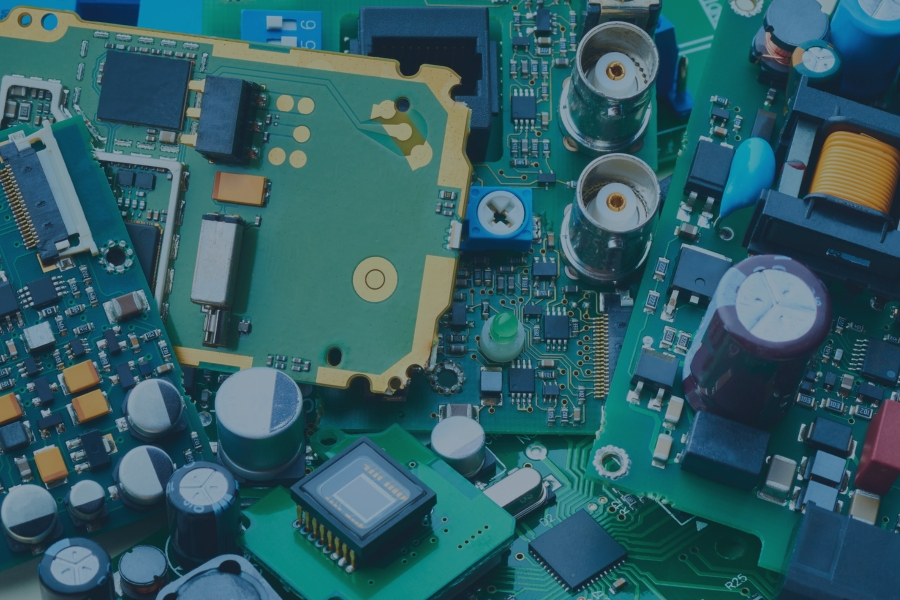
Most people think of electronics as plastic, glass, and screens. In reality, electronics contain dozens of different metals.
Some metals are used in larger amounts, like copper, aluminum, and steel. Others appear in tiny amounts but play critical roles inside circuit boards, batteries, connectors, chips, speakers, motors, and storage devices.
These metals help electronics conduct electricity, store energy, process data, manage heat, and communicate. Without them, phones, laptops, servers, televisions, medical devices, and appliances would not work the way they do.
As an electronics recycling company, EACR Inc. sees these materials every day and understands why recovering them matters. When old electronics are recycled properly, reusable materials can be separated, processed, and kept in circulation instead of being wasted in landfills.
Some of the most common metals found in electronics include copper, aluminum, steel, gold, silver, palladium, lithium, cobalt, and nickel.
Why Electronics Contain So Many Metals
Electronics are complex because they need to do several jobs at once. A single device may need to move electricity, store power, protect internal parts, transfer data, create sound, display images, and stay cool during use. Different metals make those functions possible.
Electronics Are Built Around Conductivity
Electricity has to move efficiently through a device. Metals make that possible.
Copper is used in wiring because it conducts electricity extremely well. Gold is often used in small connection points because it resists corrosion and helps maintain reliable performance. Lithium is used in many rechargeable batteries because it helps store energy in a compact format. Aluminum is used in housings, frames, and heat sinks because it is lightweight and helps manage heat.
No single metal does everything. Electronics use different metals because each one solves a different problem.
Common Metals Found in Electronics
Some metals show up again and again across electronics because they are practical, durable, conductive, or useful for structure and heat control.
Copper
Copper is one of the most common metals inside electronics. It is widely used because it conducts electricity well and can be shaped into wires, traces, coils, and other electrical parts.
Copper is commonly found in:
- Wires
- Cables
- Circuit boards
- Motors
- Transformers
- Chargers
- Power supplies
You will find copper in computers, televisions, servers, appliances, network equipment, medical devices, and many types of industrial electronics.
Copper recovery is one of the major reasons electronics recycling matters. When old devices are processed correctly, reusable copper can be recovered instead of being lost in mixed waste.
Aluminum
Aluminum is commonly used in electronics because it is lightweight, corrosion resistant, and good at helping manage heat.
It can be found in:
- Device housings
- Heat sinks
- Frames
- Laptop bodies
- Smartphone bodies
- Monitor and television components
Aluminum is especially useful in devices that need to stay light while protecting internal parts. Laptops, tablets, phones, and some computer components often use aluminum because it provides strength without adding too much weight.
It also plays an important role in heat dissipation. Heat sinks made with aluminum help move heat away from processors and power components so devices can operate safely.
Steel
Steel is used when electronics need strength and durability. It is heavier than aluminum, but it works well for structural support and protective casing.
Steel may be found in:
- Server racks
- Computer cases
- Appliances
- Equipment frames
- Structural components
- Mounting hardware
In commercial settings, steel often shows up in larger electronics and facility equipment. Servers, appliances, HVAC systems, vending machines, medical equipment, and industrial electronics may all contain steel components.
Because steel can be recycled and reused in new manufacturing, keeping it out of landfills is an important part of responsible recycling.
Gold
Gold is used in electronics because it resists corrosion and provides reliable conductivity. It is often found in connection points where performance needs to stay consistent over time.
Gold may be found in:
- Connectors
- Circuit boards
- Processor pins
- High-performance electronics
- Specialized components
Most devices contain only small amounts of gold. The important thing is scale. A single phone or laptop may not contain much, but millions of devices together represent a much larger recovery opportunity.
Silver
Silver is one of the most conductive metals used in electronics. It is often used where fast, efficient electrical movement is important.
Silver may be found in:
- Circuit boards
- Contacts
- Switches
- Conductive pastes
- Specialized electronic components
Because silver performs so well electrically, it can appear in many small but important areas inside electronic devices.
Palladium
Palladium is used in certain specialized electronic components because of its stability and conductivity.
It may be found in:
- Multi-layer ceramic capacitors
- Circuit board components
- Specialized electronics
- Small contact points
Like gold and silver, palladium is usually present in small amounts. But those small amounts matter when electronics are collected and processed at scale.
Battery Metals in Modern Electronics
Many modern devices rely on rechargeable batteries. That means battery metals are now a major part of the electronics recycling conversation.
Lithium
Lithium is widely used in rechargeable batteries because it helps store energy in a compact, lightweight form.
Lithium is commonly found in:
- Smartphones
- Tablets
- Laptops
- Power tools
- Wireless earbuds
- Electric vehicle batteries
- Power banks
Lithium batteries should not be thrown in the trash. They can create fire risks if damaged, crushed, or handled improperly. Proper recycling helps route lithium-based batteries through safer recovery channels.
Cobalt
Cobalt is used in many lithium-ion batteries to help with battery performance, stability, and energy storage.
It may be found in:
- Smartphone batteries
- Laptop batteries
- Tablet batteries
- Power tool batteries
- Electric vehicle batteries
Cobalt sourcing has also raised environmental and ethical concerns, which makes responsible battery recycling even more important. Recovering reusable battery materials can help reduce dependence on new extraction over time.
Nickel
Nickel is used in many rechargeable battery chemistries because it helps improve energy density. In simple terms, it can help batteries store more power.
Nickel may be found in:
- Rechargeable batteries
- Battery packs
- Power tools
- Hybrid and electric vehicle batteries
- Some specialty electronics
As battery-powered devices continue to grow, nickel recovery will remain an important part of responsible electronics and battery recycling.
Metals Found in Different Types of Electronics
The metals inside electronics vary by device. A smartphone does not contain the same material mix as a server, and an air conditioner does not contain the same components as a laptop.
Breaking it down by item type makes it easier to understand why electronics recycling is not one-size-fits-all.
Smartphones
Smartphones are small, but they contain a wide mix of metals and minerals.
Common materials may include:
- Copper
- Gold
- Silver
- Palladium
- Aluminum
- Lithium
- Cobalt
- Nickel
- Rare earth elements
Copper supports wiring and circuit board connections. Aluminum may be used in the body. Lithium and cobalt are commonly associated with the battery. Rare earth elements may appear in speakers, vibration motors, and other small components.
Computers and Laptops
Computers and laptops contain metals across the case, battery, motherboard, ports, memory, storage, display, and cooling system.
Common materials may include:
- Copper
- Aluminum
- Steel
- Gold
- Silver
- Lithium
- Nickel
- Circuit board metals
Copper is common in wiring, power supplies, heat pipes, and circuit boards. Aluminum may be used in laptop housings or heat sinks. Steel may appear in frames, cases, screws, and structural parts.
Laptops also contain batteries, which means they need proper handling before recycling.
Servers and Data Center Equipment
Servers and data center equipment contain many of the same metals as computers, but often at a much larger scale.
Common materials may include:
- Copper
- Aluminum
- Steel
- Gold
- Silver
- Palladium
- Circuit board materials
Servers may contain copper wiring, aluminum heat sinks, steel chassis, circuit boards, processors, storage drives, power supplies, and network components.
As AI, cloud computing, and data center growth continue, server recycling is becoming even more important. Retired data center equipment can represent a major source of reusable materials when handled through proper recycling programs.
Televisions and Monitors
Televisions and monitors contain metals in their frames, circuit boards, power supplies, display components, and wiring.
Common materials may include:
- Copper
- Aluminum
- Steel
- Circuit board metals
- Wiring
- Small electronic components
Older televisions and monitors may also require more careful handling depending on the display type. Responsible recycling helps separate reusable materials while keeping problematic components out of landfills.
Appliances and HVAC Equipment
Appliances and HVAC equipment often contain larger amounts of base metals than smaller consumer electronics.
Common materials may include:
- Copper
- Aluminum
- Steel
- Motors
- Wiring
- Circuit boards
- Compressors
- Fan components
Air conditioners, refrigerators, dehumidifiers, washers, dryers, microwaves, and other appliances may all contain reusable metals. Some also contain refrigerants, oils, batteries, or electronic controls, which means they require more careful handling than basic scrap metal.
This is why appliance and electronics recycling should be routed through the right program instead of being treated like ordinary trash.
Why Recovering Metals From Electronics Matters
The metals inside electronics do not disappear when a device stops working. They are still there, sitting inside old computers, phones, servers, appliances, batteries, and other equipment.
That is why electronics recycling is about more than getting rid of clutter. It is also about recovering materials that can continue serving a purpose.
Electronics Contain Reusable Materials
Many electronics contain reusable, recoverable, and recyclable materials.
Copper, aluminum, steel, gold, silver, battery metals, and other materials can often be separated and routed into appropriate recovery streams when electronics are processed properly.
When devices are thrown away, those materials are often lost. When electronics are recycled responsibly, more of those materials have the opportunity to stay in circulation and support future manufacturing.
Mining New Metals Has Environmental Costs
Every new electronic device requires raw materials.
Mining and processing metals takes energy, disturbs land, and uses significant amounts of water. It can also generate emissions and other environmental impacts throughout the extraction and manufacturing process.
Electronics recycling does not eliminate the need for mining, but recovering materials from existing devices can help reduce the pressure to constantly source new materials from the ground.
That is one reason material recovery has become such an important part of modern recycling programs.
Electronics Recycling Supports Material Recovery
Electronics recycling is designed to recover materials that still have a useful purpose.
The process generally involves:
- Collection
- Sorting
- Dismantling
- Material separation
- Downstream recovery
Each step helps identify reusable materials and route them appropriately.
Responsible electronics recycling helps keep reusable materials in circulation instead of sending them to landfills.
Frequently Asked Questions About Metals in Electronics
What metal is most common in electronics?
Copper is one of the most common metals found in electronics because it is used in wiring, circuit boards, motors, transformers, chargers, and many other electrical components.
Can metals be recovered from old electronics?
Yes. Electronics recycling can recover reusable materials such as copper, aluminum, steel, gold, silver, palladium, and various battery materials depending on the device.
Why shouldn’t electronics go in the trash?
Throwing electronics away wastes reusable materials and may send batteries, circuit boards, and other electronic components to landfills instead of appropriate recycling channels.
Does EACR Inc. recycle electronics containing metal?
Yes. EACR Inc. helps businesses, schools, municipalities, healthcare facilities, and other organizations recycle electronics and recover reusable materials through licensed recycling programs.
Conclusion
Electronics contain far more metal than most people realize. From copper wiring and aluminum housings to steel frames, gold connectors, lithium batteries, and rare earth elements, modern devices rely on a wide range of materials to function.
Different devices contain different combinations of copper, aluminum, steel, gold, silver, lithium, cobalt, nickel, palladium, and rare earth elements. Understanding what is inside electronics helps explain why proper recycling is so important.
Recovering these materials helps support more sustainable manufacturing, reduces unnecessary waste, and keeps reusable resources in circulation.
Whether you are recycling computers, servers, telecom equipment, batteries, appliances, or other electronics, EACR Inc. can help coordinate licensed electronics recycling services and responsible material recovery.