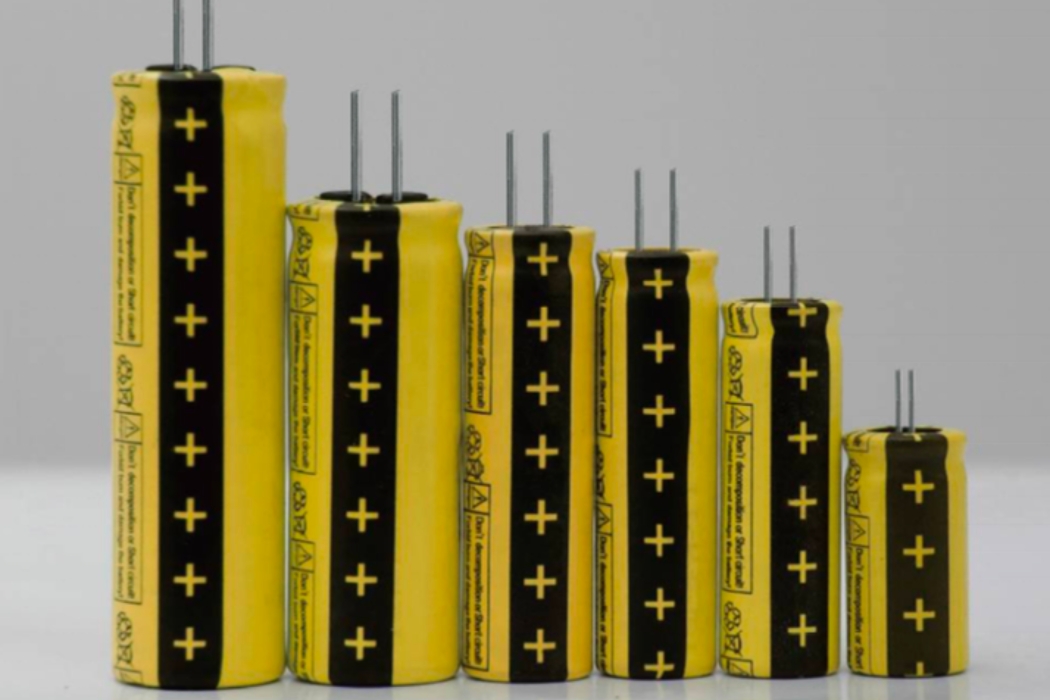
Lithium-titanate batteries, often called LTO batteries, are a type of lithium-ion battery built for performance, not just storage. Instead of using traditional graphite, they use a different material at the core, which changes how they behave.
LTO batteries are known for extremely fast charging, long lifespan, strong safety, and solid performance in cold conditions. They are not designed to pack the most energy into the smallest space. Instead, they are built to charge quickly, last longer, and handle demanding environments.
That is why you will not see them in most phones or everyday electronics. But you will see them in things like public transit, industrial systems, and backup power. In the right setup, they solve problems other batteries struggle with. Have lithium-titanate or other lithium-based batteries to manage? Our team makes it easy to identify, sort, and recycle them through a licensed battery recycling process built for businesses and bulk loads.
What is a Lithium-Titanate Battery?
LTO in simple terms
A lithium-titanate battery is:
- A type of lithium-ion battery
- That uses lithium titanate as the anode material
- Often written as Li₄Ti₅O₁₂, or just LTO
That one change in material is what makes this chemistry behave so differently.
What makes it different from other lithium-ion batteries
Most people think all lithium-ion batteries are basically the same. They are not.
What really defines a battery’s performance is:
- the anode material
- the cathode material
- how those materials interact
LTO stands out because it replaces graphite with lithium titanate at the anode. That shift changes how the battery charges, how long it lasts, and how stable it is.
Why does chemistry matter
The chemistry is not just a technical detail. It directly affects how the battery performs in real life.
With LTO, that means:
- faster charging speeds
- longer cycle life
- more stable performance over time
- better operation in cold conditions
That is why this chemistry shows up in systems that run hard and charge often.
How LTO Battery Chemistry Works
The role of the anode
In any lithium-ion battery, the anode stores lithium ions during charging.
- When charging: lithium ions move into the anode
- When discharging: they move back out and create usable energy
How well the anode handles that movement determines how the battery performs.
The zero-strain advantage
LTO is often called a “zero-strain” material, and that is a big deal.
In simple terms:
- most battery materials expand and contract as they charge and discharge
- LTO barely does
That leads to:
- less internal stress
- less material breakdown
- a longer usable lifespan
This is one of the main reasons LTO batteries can handle so many cycles.
Why LTO behaves differently
Because of its structure, LTO has a few key behaviors:
- It can accept charge very quickly
- It stays structurally stable over time
- It operates at a lower voltage than many other lithium-ion chemistries
That last point matters. Lower voltage contributes to lower energy density, which is a tradeoff. But in return, you get speed, durability, and reliability.
The Main Strengths of Lithium-Titanate Batteries
Fast charging
LTO batteries are built to charge quickly.
In real-world systems, this means:
- less downtime
- faster turnaround between uses
- more flexibility in how systems operate
This is a major advantage in transportation and industrial environments.
Long cycle life
LTO batteries are designed to last.
They can handle repeated charging and discharging without breaking down as quickly as other chemistries. That makes them a strong fit for:
- daily-use systems
- high-cycle environments
- long-term infrastructure
Safety and stability
LTO has a reputation for being a more stable lithium-ion option.
It handles:
- high power loads
- repeated cycling
- demanding environments
more predictably than many alternatives. That reliability matters in real-world operations.
Cold-weather performance
Cold conditions can reduce battery performance fast.
LTO holds up better than many other lithium-ion batteries in:
- outdoor systems
- winter climates
- remote environments
That makes it useful in situations where conditions are not controlled.
The Main Limitations of LTO Batteries
Lower energy density
This is the biggest tradeoff.
LTO batteries:
- store less energy for their size
- take up more space
- can weigh more
That makes them less ideal for:
- compact electronics
- long-range vehicles
Higher upfront cost
LTO systems often cost more at the start.
Why?
- specialized materials
- niche use cases
- lower production volume compared to mainstream chemistries
That said, some buyers still choose LTO because it can reduce replacement and maintenance costs over time.
Why is it not used everywhere
LTO is not trying to be a universal solution.
It is not ideal for:
- most consumer electronics
- long-range EVs
- systems where size and cost matter more than durability
It works best when the system priorities match what LTO does well.
What Lithium-Titanate Batteries Are Used For
Public transit and transportation
LTO is a strong fit for systems that run on predictable routes and can charge frequently.
You will see it in:
- electric buses
- rail systems
- route-based fleets
Fast charging between stops allows these systems to stay in operation without needing large battery packs.
Industrial equipment and fleet systems
Many industrial environments rely on equipment that runs constantly and charges often.
Examples include:
- warehouse equipment
- AGVs and AMRs
- heavy-duty commercial systems
These systems benefit from:
- fast charging
- long cycle life
- reduced downtime
Backup power and critical infrastructure
LTO is used in systems where failure is not an option.
This includes:
- UPS systems
- data centers
- industrial backup power
In these cases, reliability matters more than size or energy density.
Energy storage and harsh environments
LTO also shows up in more specialized energy storage scenarios.
You will see it in:
- certain energy storage systems (ESS)
- renewable integration setups
- remote or cold-weather installations
- outdoor infrastructure
These environments demand:
- durability
- consistent performance
- the ability to handle frequent cycling
And that is where LTO makes sense.
Why LTO Gets Chosen for These Applications
This is where LTO starts to make real sense. It is not about being “better” than other batteries. It is about solving specific problems.
When fast charging matters more than maximum range
In some systems, waiting hours to recharge is not an option.
Think about:
- buses charging between routes
- equipment running back-to-back shifts
LTO works here because it can take in energy quickly without wearing down as fast. You sacrifice range, but you gain speed and flexibility.
When uptime matters more than compact battery size
Some operations cannot afford downtime.
In these cases:
- the system needs to stay running
- charging needs to be quick and predictable
LTO allows for shorter charging windows and more frequent use, which keeps systems moving. That matters more than having the smallest battery possible.
When long-term durability matters more than lowest upfront cost
LTO is not the cheapest option upfront. But it is built to last.
If a system:
- cycles constantly
- runs daily
- is expensive to shut down or replace
then fewer battery replacements can make a big difference over time. This is where LTO can win on lifecycle value, not initial price.
When cold-weather performance is a real requirement
Cold environments are tough on batteries.
LTO performs better than many alternatives in:
- outdoor systems
- winter climates
- remote infrastructure
If a battery needs to work reliably in the cold, this becomes a major advantage.
Lithium-Titanate vs Other Lithium Battery Chemistries
LTO is not competing to be the most common battery. It is built for specific use cases.
LTO vs standard graphite-based lithium-ion
This is the baseline comparison.
- LTO charges faster
- LTO lasts through more cycles
- Graphite-based lithium-ion stores more energy in less space
In simple terms: Graphite-based lithium-ion is more general-purpose. LTO is better for high-use, high-demand systems.
LTO vs LFP (Lithium Iron Phosphate)
Both are known for stability, but they are used differently.
- LFP is more common and often more cost-effective
- LTO is stronger in:
- ultra-fast charging
- extremely high cycle life
LFP fits a wide range of applications. LTO is the better choice when speed and durability are pushed further.
LTO vs NMC (Nickel Manganese Cobalt)
This comparison comes down to priorities.
- NMC focuses on energy density and longer range
- LTO focuses on power, durability, and consistency
If you need compact energy storage, NMC makes more sense. If you need a battery that can take constant use, LTO is the better fit.
Are Lithium-Titanate Batteries Safe to Use and Recycle?
Why LTO has a strong safety reputation
LTO is generally considered one of the more stable lithium-ion chemistries.
It tends to:
- handle stress better
- operate more predictably
- reduce the risk of unstable reactions compared to some alternatives
That is why it shows up in industrial and public-facing systems.
Why proper battery handling still matters
Even with a stable chemistry, batteries are not risk-free.
Issues can still happen if:
- batteries are damaged
- systems are poorly designed
- handling is incorrect
Safety depends on both the chemistry and how the battery is used.
How LTO batteries should be identified and recycled
LTO batteries are still part of the broader lithium battery category.
That means:
- they need to be identified correctly
- they should be separated from other waste streams
- they require proper handling and processing
For businesses, this becomes especially important when dealing with bulk volumes or mixed battery types.
When LTO Batteries Are the Right Choice
LTO makes sense when the system lines up with what it is built for.
It is a strong fit for:
- systems with frequent recharge windows
- high-cycle applications that run daily
- cold or outdoor environments
- critical systems where reliability matters
- operations focused on long-term performance over short-term cost
When They Are Probably Not the Best Choice
LTO is not meant for every application.
It is usually not the best option for:
- long-range EVs where energy density matters most
- compact electronics like phones or laptops
- space-constrained systems where size is critical
- projects focused on the lowest upfront cost
In those cases, other lithium-ion chemistries are usually a better fit.
Frequently Asked Questions About Lithium-Titanate Batteries
Lithium-titanate batteries are more specialized than most lithium chemistries, so a few practical questions come up often.
What is a lithium-titanate battery?
It is a type of lithium-ion battery that uses lithium titanate as the anode, designed for fast charging, long life, and stable performance.
Is LTO still lithium-ion?
Yes. LTO is a lithium-ion battery chemistry, just with a different anode material.
What are LTO batteries used for?
They are used in:
- public transit
- industrial equipment
- backup power systems
- energy storage applications
Why do LTO batteries charge so fast?
The anode structure allows lithium ions to move in and out quickly without causing significant stress, which enables faster charging.
What is the downside of LTO batteries?
The main drawbacks are lower energy density and higher upfront cost compared to more common lithium-ion batteries.
Can lithium-titanate batteries be recycled?
Yes. Like other lithium-based batteries, they should be handled through proper recycling channels, especially in commercial or bulk situations.
Conclusion
Lithium-titanate batteries are not a mass-market, one-size-fits-all solution. They are a specialized battery chemistry designed for speed, long life, safety, and reliability. When the priority shifts from maximum energy storage to fast charging, uptime, and durability, LTO becomes a strong and practical choice. If your business needs help identifying or recycling lithium-based batteries, work with a licensed battery recycling partner to make sure everything is handled properly.