Most of us do not think of electronics as contributing to climate change. After all, a laptop sitting on a desk or a smartphone in your pocket does not produce exhaust like a car.
But every electronic device has a climate footprint long before you turn it on and long after you stop using it. Raw materials must be mined, components manufactured, products assembled, and devices shipped around the world. When electronics reach the end of their useful life, how they are managed also plays an important role.
E-waste contributes to climate change through energy-intensive manufacturing, continued demand for newly mined materials, increasingly short device lifespans, improper disposal, and the loss of reusable materials that could otherwise be recovered through recycling.
For businesses with outdated electronics, EACR Inc.’s electronics recycling services help route end-of-life devices through responsible recycling instead of letting them become unmanaged e-waste.
How Does E-Waste Affect Climate Change?
E-waste affects climate change in three major ways.
First, replacing electronics requires manufacturers to mine raw materials, build new devices, and transport them worldwide, all of which generate greenhouse gas emissions.
Second, when electronics are improperly disposed of, reusable materials are lost and hazardous materials may be released through unsafe disposal or informal recycling practices.
Third, low recycling rates increase the need to extract and process new raw materials, which requires additional energy and creates more emissions.
The scale of the issue continues to grow. The Global E-waste Monitor reports that the world generated approximately 62 million tonnes of e-waste in 2022, and that number is projected to reach 82 million tonnes by 2030.
Despite this growth, only 22.3% of global e-waste generated in 2022 was formally collected and recycled (Global E-waste Monitor, 2024).
What Counts as E-Waste?
E-waste, or electronic waste, refers to discarded electronic products that contain a plug, battery, or electronic circuitry.
Examples include:
- Computers
- Laptops
- Smartphones
- Tablets
- Monitors
- Printers
- Servers
- Networking equipment
- Batteries
- Small household appliances
- Medical electronics
- Solar equipment
- Cables and accessories
Many of these products contain both reusable materials and substances that require proper handling. According to the United Nations, e-waste includes discarded products with a battery or plug that may contain hazardous materials requiring responsible management
Why Electronics Have a Carbon Footprint Before You Use Them
A device’s environmental impact begins long before it reaches your home or office.
Mining and Raw Material Extraction
Electronics are made from a wide range of materials, including copper, aluminum, steel, plastics, glass, lithium, cobalt, gold, rare earth elements, and many other metals and minerals.
Extracting and processing these materials requires significant amounts of energy while disturbing natural resources and ecosystems.
Manufacturing and Assembly
After raw materials are collected, they are processed into components such as circuit boards, batteries, processors, displays, wiring, and housings.
These parts are manufactured, assembled, packaged, and transported through global supply chains before the finished product is ever purchased. Every stage adds to the device’s overall carbon footprint.
Embodied Carbon
Much of an electronic device’s climate impact occurs before it is ever used. This is known as embodied carbon—the greenhouse gas emissions generated during raw material extraction, manufacturing, and transportation.
Research by Singh & Ogunseitan found that, for new information and communications technology (ICT) devices, approximately 67% ± 15% of total lifetime greenhouse gas emissions occur before the device reaches the consumer (ScienceDirect, 2022).
How Short Device Lifespans Increase Emissions
Replacing electronics more frequently means manufacturing more electronics.
The Replacement Cycle Problem
Phones, laptops, tablets, and computers are often replaced long before they completely stop working. Whether due to hardware limitations, software compatibility, changing business needs, or consumer upgrades, shorter product lifespans increase demand for new manufacturing.
Each replacement begins another cycle of mining, production, shipping, and resource consumption.
Repair, Reuse, and Refurbishment Matter
Keeping electronics in service longer can significantly reduce their overall environmental impact.
Repairing devices, refurbishing equipment, redeploying hardware within an organization, and extending product life all reduce the need to manufacture replacement devices.
Research estimates that increasing the useful lifespan of electronic devices by 50% to 100% could mitigate up to half of the greenhouse gas emissions associated with e-waste.
How E-Waste Disposal Connects to Climate Change
What happens after electronics reach the end of their useful life also affects their environmental impact.
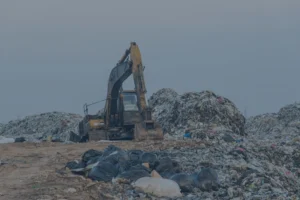
Landfills Waste Reusable Materials
When electronics are sent to landfills, reusable materials such as metals, plastics, glass, and electronic components are removed from the circular economy instead of being recovered for future manufacturing.
That means manufacturers must continue extracting new raw materials to produce replacement products.
Incineration Creates More Pollution
Burning electronic waste destroys reusable materials and can release greenhouse gases along with other harmful pollutants into the atmosphere.
Proper recycling helps avoid unnecessary material loss while supporting more responsible end-of-life management.
Informal Recycling Creates Additional Risk
In some parts of the world, electronics are dismantled using unsafe methods such as open-air burning or acid baths to recover metals.
According to the Geneva Environment Network, these practices can release contaminants including lead, mercury, cadmium, arsenic, and brominated flame retardants into soil, water, and air while exposing workers to significant health risks
The Climate Cost of Lost Materials
Recovering reusable materials is one of the biggest environmental benefits of electronics recycling.
More Mining Means More Energy Use
When reusable materials are not recovered from end-of-life electronics, manufacturers must rely more heavily on newly mined raw materials.
Mining, refining, and transporting these resources requires substantial amounts of energy and contributes to additional greenhouse gas emissions.
Rare Earths, Metals, and Batteries
Electronics contain materials such as copper, aluminum, steel, gold, cobalt, lithium, plastics, and rare earth elements that can often be recovered through responsible recycling.
However, recovery rates remain low for some materials. Only about 1% of global rare earth element demand is currently met through e-waste recycling.
E-Waste Emissions Are Growing
E-waste is not just a landfill problem. It is also a climate problem.
As more phones, laptops, tablets, monitors, printers, and office electronics are produced and replaced, the emissions connected to those devices grow too. A major part of the issue is that many emissions happen before the device is ever used.
ICT Devices Are a Major Concern
ICT devices include information and communications technology such as:
- Phones
- Laptops
- Tablets
- Desktops
- Displays
- Printers
- Accessories
- Networking equipment
These devices are replaced often, especially in homes, offices, schools, healthcare facilities, and data centers.
Embodied greenhouse gas emissions from selected ICT e-waste increased by 53% between 2014 and 2020. The same research estimated that selected ICT e-waste was associated with 580 million metric tons of CO₂e in 2020, and without intervention, emissions from this source could rise to about 852 million metric tons of CO₂e annually by 2030 (ScienceDirect, 2022).
That is why e-waste reduction is not just about clearing out old equipment. It is about slowing the cycle of unnecessary replacement, waste, and new production.
What Responsible Electronics Recycling Can Do
Responsible electronics recycling helps reduce the environmental impact of devices once they reach the end of their useful life.
Keep Electronics Out of Landfills
Proper recycling starts with safe collection, sorting, and processing. Instead of sending old electronics to dumpsters or landfills, devices are separated by type, condition, material, and handling needs.
This helps reduce improper disposal and keeps electronics moving through a controlled end-of-life process.
Recover Reusable Materials
Electronics can contain reusable materials such as:
- Copper
- Aluminum
- Steel
- Plastics
- Glass
- Batteries
- Circuit board materials
- Select metals from electronic components
Recovering these materials helps reduce waste and keeps more material in circulation.
Support Better Business Sustainability
For businesses, recycling is also about documentation and accountability.
A responsible electronics recycling program can support:
- Asset lists
- Pickup records
- Certificates of recycling
- Recycling reports
- Responsible downstream handling
- Cleaner end-of-life planning
This matters for companies that need to show progress toward sustainability, compliance, and internal waste reduction goals.
Reduce Demand for New Raw Materials
When reusable materials are recovered, manufacturers can rely less heavily on newly mined resources.
That matters because mining, refining, processing, and transporting raw materials all require energy. Better recycling helps reduce pressure on raw material extraction and supports a more circular electronics system.
What Businesses Can Do to Reduce E-Waste Climate Impact
Businesses often generate large amounts of e-waste during upgrades, office moves, IT refreshes, renovations, and equipment cleanouts. A better plan can reduce both waste and climate impact.
Keep Devices in Use Longer When Practical
Not every device needs to be replaced immediately.
Businesses can reduce waste by:
- Repairing equipment
- Maintaining devices properly
- Redeploying working electronics
- Refurbishing usable assets
- Reusing accessories and parts when appropriate
Extending device life helps reduce the need for new manufacturing.
Plan IT Refreshes More Carefully
IT upgrades should include an end-of-life plan.
Before replacing equipment, businesses should decide:
- What can be reused internally
- What can be refurbished
- What needs secure data destruction
- What should be recycled
- What documentation is required
This prevents old electronics from piling up in storage rooms or being handled incorrectly later.
Use Licensed Recycling and Take-Back Programs
End-of-life electronics should be routed through responsible recycling programs, not general trash.
Licensed recycling and structured take-back programs help ensure electronics are handled, sorted, and processed through appropriate channels.
Track Recycling Documentation
Businesses should keep records for electronics recycling projects.
Useful documents may include:
- Certificates of recycling
- Asset lists
- Weight reports
- Pickup confirmations
- Data destruction records
- Internal disposal logs
These records help support compliance, reporting, and sustainability goals.
Train Employees Not to Trash Electronics
Employees should know that electronics do not belong in regular trash.
Make recycling simple by using:
- Collection bins
- Labeled staging areas
- Scheduled pickups
- Internal cleanout days
- Clear IT disposal procedures
The easier the process is, the more likely people are to follow it.
Conclusion
E-waste contributes to climate change because electronics require energy-intensive mining, manufacturing, shipping, and replacement. When devices are discarded improperly, reusable materials are lost, pollution risks increase, and demand for newly mined materials stays high.
The biggest opportunities are extending device life, repairing and refurbishing equipment, planning better IT refresh cycles, and recycling electronics responsibly at end of life.
If your organization has outdated computers, phones, servers, batteries, or other electronics, EACR Inc., an electronics recycling company, can help you responsibly recycle end-of-life equipment and recover reusable materials.