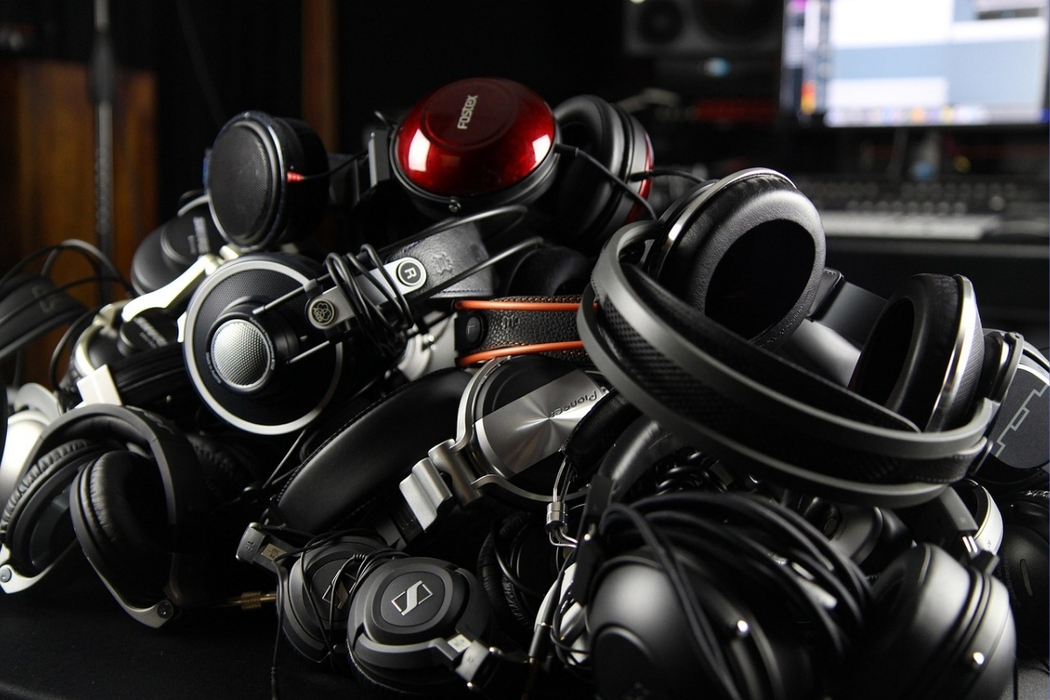
Headphone recycling is more important than most people realize. Headphones are everywhere—from office desks to classrooms to gym bags—and millions are thrown out every year. What many don’t consider is that these small devices are made of plastics, wiring, metals, magnets, and batteries that don’t belong in landfills. Each pair contributes to the growing issue of electronic waste, or e-waste, which continues to rise globally.
This guide breaks down everything you need to know about headphone recycling—why it matters, what materials can be recovered, and how EACR Inc. helps consumers and businesses recycle their audio equipment responsibly throughout the East Coast.
Why Headphone Recycling Matters
The Growing Pile of Audio E-Waste
The convenience of modern headphones has come with a hidden cost: waste. Between wired, wireless, and Bluetooth models, millions of headphones and earbuds are discarded each year. With the rise of frequent upgrades and shorter product life cycles, these small devices have become one of the fastest-growing categories of e-waste.
According to global e-waste studies, the world generates over 50 million tons of electronic waste annually—and only a small fraction of it is properly recycled. Headphones may seem insignificant compared to a computer or TV, but collectively, they represent an enormous waste stream filled with recoverable materials.
What Happens When Headphones End Up in the Trash
When headphones are thrown in the garbage, they don’t just disappear—they slowly break down in landfills, releasing harmful substances into the environment. The plastics and rubber casings degrade over time, leaching chemicals into soil and groundwater. The internal magnets and wiring contain metals that can oxidize and contaminate nearby ecosystems.
Wireless models are even more concerning because they often contain lithium-ion batteries. If crushed, burned, or punctured, these batteries can release toxic gases or even spark fires. What seems like a small piece of waste can create a much bigger environmental issue.
How Recycling Makes a Difference
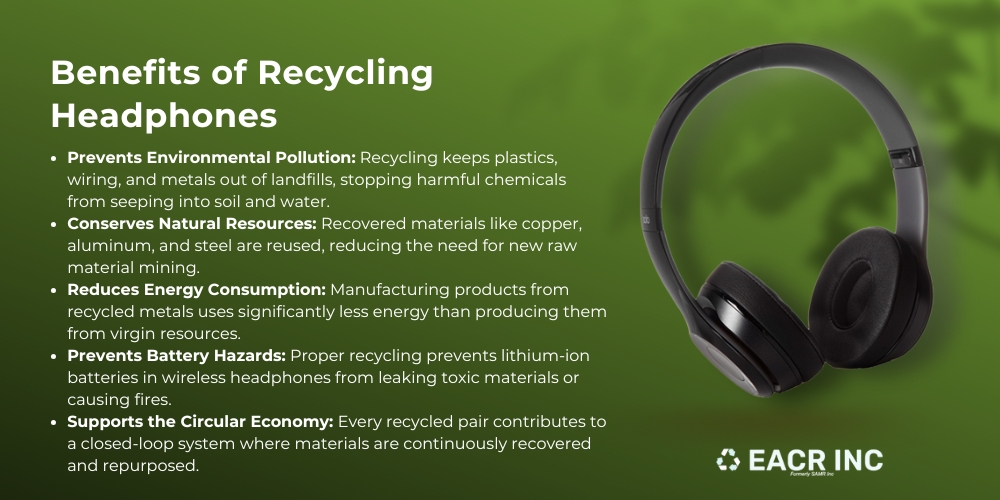
Recycling headphones correctly prevents those problems and supports a cleaner, more sustainable future. Here’s how:
- Prevents harmful chemicals from entering soil and water: Recycling keeps plastics, metals, and batteries out of the environment.
- Recovers reusable metals like copper and aluminum: These materials can be processed and reused in new manufacturing instead of being wasted.
- Reduces demand for new raw materials: Mining and refining new metals consume massive amounts of energy—recycling lessens that burden.
- Supports circular economy principles: By reclaiming materials, headphone recycling turns waste into resources, extending the life cycle of what we already have.
What Are Headphones Made Of?
Inside the Design
Most headphones are compact but complex devices, built from a combination of mechanical and electronic components. Common materials include:
- Plastic shells and rubberized coatings that protect the internal hardware.
- Copper wiring and magnets that carry sound and create the magnetic fields inside speakers.
- Small speakers and metal brackets for structure and stability.
- Lithium-ion batteries found in wireless and Bluetooth models.
- Circuit boards and Bluetooth chips that process audio signals and enable connectivity.
Each of these components plays a role in how headphones function—but also determines how they need to be recycled.
Recyclable vs. Non-Recyclable Parts
Not every part of a headphone can be recycled easily. Some materials are bonded together or made from composite plastics that are difficult to separate. For example, foam ear pads and rubber seals are usually non-recyclable and are removed before processing.
However, most key components—copper wiring, steel frames, aluminum brackets, and magnets—can be recovered efficiently and reused in new products. Through proper headphone recycling, electronics recyclers like EACR Inc. ensure that these reusable materials are reclaimed safely while minimizing environmental impact.
Recycling Headphones the Right Way
Where to Recycle Headphones Near You
If you’re ready to recycle your old headphones, there are several responsible options:
- Licensed e-waste recyclers like EACR Inc.: Accepts headphones, earbuds, and accessories through drop-off, mail-in, or container programs.
- Retail take-back programs: Stores like Best Buy, Staples, and Apple often accept small electronics, including headphones, for recycling.
- Community e-waste collection events: Local municipalities or recyclers frequently host electronics recycling collection events where residents can drop off electronics safely.
Don’t Forget Accessories
Cables, adapters, chargers, and cases often contain recyclable materials such as copper, steel, and plastic. Instead of throwing them away, include them with your headphone recycling. These small accessories contribute significantly to total e-waste and can be processed alongside other electronics to maximize material recovery.
The Headphone Recycling Process
Step 1: Collection and Sorting
Headphone recycling starts with collection. EACR Inc. accepts headphones through drop-offs, mail-in programs, or bulk container pickups for schools and businesses. Devices are sorted by type—wired, wireless, or accessories—to prepare for safe processing.
Step 2: Disassembly and Material Separation
Technicians carefully dismantle each unit, separating plastics, metals, magnets, and circuit boards. Professional methods ensure all components are processed safely and efficiently—something DIY attempts can’t achieve.
Step 3: Metal and Component Recovery
Recyclable materials like copper, aluminum, and steel are recovered and reused in new products. Plastics are also processed for reuse whenever possible, minimizing waste and conserving resources.
Step 4: Battery Handling and Safety
Wireless models contain lithium-ion batteries that must be removed safely. EACR Inc. extracts and recycles them properly, preventing leaks, fires, and environmental harm.
Business and Institutional Headphone Recycling
For Schools and Universities
Schools and universities frequently replace wired classroom headphones and computer lab headsets as technology advances. EACR Inc. provides container programs and scheduled pickups to simplify bulk recycling for educational institutions. This ensures old tech is recycled responsibly, making room for new digital learning equipment while maintaining environmental compliance.
For Offices and Call Centers
In office environments, headsets and conference audio systems are replaced regularly. EACR Inc. offers bulk electronics recycling programs for businesses upgrading communication equipment. Every device is tracked through the recycling process, and if any Bluetooth-enabled headsets store pairing data, secure data destruction is performed before processing. This gives companies both compliance and peace of mind.
Headphone Recycling vs. Throwing Away: The Real Cost
Throwing headphones away might seem convenient—but it comes with hidden environmental and legal costs. Recycling, on the other hand, turns waste into reusable resources.
| Action | Environmental Impact | Compliance Risk | Material Recovery |
| Throwing Away | Pollutes soil and groundwater with plastics and metals | Potential e-waste regulation violations | None |
| Recycling | Keeps materials out of landfills, conserves natural resources | Fully compliant with state and applicable e-waste laws | High — metals, plastics, and magnets are recovered |
What About Earbuds and Wireless Models
The Wireless Recycling Challenge
Wireless earbuds are convenient—but they’re also more complex to recycle. Their tiny, sealed designs make it difficult to access internal components without specialized tools. Many also contain lithium-ion batteries, circuit boards, and magnets packed tightly together. This compact construction means they must be handled by licensed recyclers who can safely separate materials.
How EACR Inc. Handles Earbuds Responsibly
EACR Inc. uses specialized techniques for small electronics, including manual disassembly and battery extraction. Every material—plastic, metal, and battery—is separated and processed individually. This hands-on approach ensures that even the smallest audio devices are recycled responsibly, preventing dangerous waste and recovering as many materials as possible.
How EACR Inc. Makes Headphone Recycling Easy
EACR Inc. simplifies the entire process of headphone recycling with flexible, compliant solutions for individuals and businesses alike:
- Trusted electronics recycling company serving the entire Northeast.
- Bulk pickup, mail-in, and container-based programs for convenience and scalability.
- Secure handling of batteries and components to prevent environmental hazards.
- Zero-landfill commitment, ensuring every recyclable part is recovered and reused.
Frequently Asked Questions About Headphone Recycling
Can headphones be recycled?
Yes. Headphones qualify as electronic waste and can be recycled through a licensed electronics recycling facility. Proper headphone recycling ensures metals, wiring, and batteries are handled safely.
Can I throw old headphones in the trash?
No. Headphones contain plastics, metals, magnets, and sometimes lithium-ion batteries that should not go in household trash. Improper disposal can create environmental and fire risks.
Are wireless headphones considered e-waste?
Yes. Wireless and Bluetooth headphones contain circuit boards and rechargeable batteries, making them regulated electronic waste that requires proper recycling.
Do headphones contain lithium batteries?
Many wireless and Bluetooth models do. Lithium-ion batteries must be removed and processed through approved battery recycling channels to prevent fire hazards.
Can earbuds and AirPods be recycled?
Yes. Earbuds, including wired and wireless models, can be recycled through licensed recyclers who safely separate batteries, metals, and plastics.
Should I remove the battery before recycling headphones?
No. Attempting to remove internal batteries can be dangerous and may puncture lithium cells. Headphones should be recycled intact through a professional recycler.
Can businesses recycle headphones in bulk?
Yes. Schools, offices, call centers, and institutions can arrange bulk headphone recycling through pickup services or electronics recycling containers.
What materials are recovered during headphone recycling?
Recyclers recover copper wiring, aluminum, steel, magnets, select plastics, and battery materials from wireless models.
Does EACR Inc. accept broken headphones?
Yes. Headphones are accepted in any condition—working, damaged, or non-functional—for proper processing.
Why is headphone recycling important?
Headphone recycling reduces landfill waste, prevents battery-related fires, conserves raw materials, and supports responsible electronics disposal.
Conclusion: Small Devices, Big Environmental Impact
Headphone recycling might seem like a small effort, but collectively it makes a massive difference. Every pair of discarded headphones contains metals, plastics, and wiring that can be reused instead of buried in a landfill. By recycling, you’re helping reduce pollution, conserve natural resources, and support a circular economy where materials are continuously recovered and repurposed.
EACR Inc. makes it easy to do the right thing. From secure collection and sorting to responsible material recovery, their licensed recycling programs ensure that every component is handled safely and sustainably.
Don’t let your old headphones go to waste—contact EACR Inc. today to recycle your audio gear responsibly and help eliminate audio-related e-waste.