Flame retardants are chemicals added to products to slow ignition, reduce flame spread, or help materials meet fire safety standards. They are used in many manufactured products, including electronics, plastics, wires, cables, appliances, computers, TVs, and other materials that may need added fire resistance.
The problem is that some flame retardants can create environmental concerns when products reach the end of their life. If electronics are dumped, burned, dismantled improperly, or sent to unmanaged waste streams, those chemicals may move into dust, air, soil, water, sediment, and wildlife. As an electronics recycling company, EACR Inc. helps businesses keep e-waste containing flame retardants and other hazardous materials out of landfills through our zero-landfill recycling process.
Understanding Flame Retardants
What flame retardants are
Flame retardants are not one single chemical. The term describes a group of chemicals used for the same purpose: slowing fire ignition or reducing how quickly flames spread across a product.
They may be added to plastics, foams, coatings, textiles, wires, cables, circuit boards, and other materials. In electronics, they are often used because devices can generate heat, contain electrical components, and include plastic materials that must meet safety requirements.
Why manufacturers use them
Manufacturers use flame retardants to help products meet flammability standards. In theory, this gives people more time to respond during a fire and helps reduce the chance that a product ignites quickly.
That fire safety purpose matters, but it also creates an end-of-life challenge. When products containing flame retardants become waste, the chemicals do not always stay locked inside the material. Over time, they may migrate out, attach to dust, enter recycling streams, or contaminate surrounding environments if handled improperly.
Common types of flame retardants
Common types include brominated, chlorinated, and phosphate or organophosphate flame retardants. Examples include PBDEs, HBCD, TBBPA, chlorinated paraffins, TDCP, TCEP, TnBP, and other related chemical groups.
Some older flame retardants have been phased out or restricted because of concerns about persistence, toxicity, and accumulation in people and wildlife. However, replacement chemicals are not always risk-free, which is why proper product handling and responsible end-of-life management still matter.
Where Flame Retardants Are Found
Electronics and electrical devices
Flame retardants may be found in computers, phones, televisions, household appliances, circuit boards, power supplies, plastic casings, and other electronic components. They are especially relevant in products with plastic parts near heat-generating or electrical components.
Not every device contains the same flame retardants, and not every flame retardant has the same risk profile. Still, electronics should be treated as a complex material stream, not ordinary trash.
Wires, cables, and insulation
Electrical wiring, cable coatings, building materials, and thermal insulation may also contain flame retardant chemicals. These materials are designed to resist ignition and slow flame spread, especially where electricity, heat, and enclosed spaces are involved.
This is one reason wire and cable recycling should be handled through the right channels. When cables are burned, stripped informally, or dumped, chemicals in coatings and insulation can become part of the pollution problem.
Other consumer and industrial products
Flame retardants are also used in furniture foam, textiles, car interiors, adhesives, sealants, coatings, carpets, construction materials, and transportation equipment. That broad use makes flame retardants difficult to manage because they can appear in many different waste streams.
For businesses, this matters during office cleanouts, warehouse cleanouts, renovation projects, IT refreshes, equipment upgrades, and appliance replacements. What looks like routine junk may include materials that need controlled recycling or disposal.
How Flame Retardants Enter the Environment
Leaching from products over time
Some flame retardants can slowly migrate out of products as they age. They may settle into dust, attach to particles, or move into surrounding indoor and outdoor environments.
This is especially important for older electronics, plastics, and foam materials. A product may look harmless sitting in storage, but over time, chemicals can still move out of the material and into nearby dust or debris.
Dust, air, water, and soil movement
Once flame retardants leave a product, they can move through dust, indoor air, water, and soil. Dust can be inhaled or ingested, while contaminated water and soil can spread chemicals into larger environmental systems.
Because some flame retardants are persistent, they may remain in sediment, soil, or living organisms for long periods. This makes prevention much easier than cleanup after contamination has already spread.
Burning, dismantling, and improper e-waste disposal
Burning or improperly dismantling electronics can release flame retardants and other hazardous substances into the environment. This is a serious concern with informal e-waste processing, open burning, and unmanaged scrap handling.
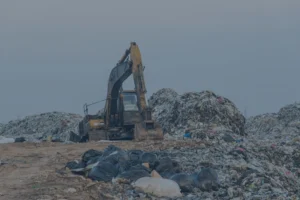
Landfilling electronics can also increase risk because products may break down, leach chemicals, or contaminate other materials. Responsible electronics recycling helps keep e-waste in controlled channels where materials can be sorted, handled, and routed properly.
Environmental Effects of Flame Retardants
Persistence in soil and sediment
Some flame retardants are persistent, meaning they do not break down quickly in the environment. Once they enter soil or sediment, they can remain there and continue creating exposure risks over time.
Sediment contamination is especially concerning because it can affect aquatic ecosystems. Chemicals that settle into riverbeds, lakes, wetlands, or coastal areas can expose bottom-dwelling organisms and move into the food chain.
Accumulation in wildlife
Some flame retardants can bioaccumulate, which means they build up in living organisms over time. Smaller organisms may absorb or ingest contaminated particles, then larger animals are exposed when they eat them.
This movement through the food chain can create higher exposure in fish, birds, mammals, and predator species. The concern is not just one contaminated item. It is the repeated exposure that can build across an ecosystem.
Contamination of recyclable material streams
Flame retardants can also create recycling challenges. If plastics or components containing hazardous flame retardants are mixed into recyclable material streams, they may contaminate otherwise reusable materials.
That makes sorting and responsible downstream handling important. Electronics recycling is not just about recovering metal or plastic. It is also about managing materials that should not be casually reintroduced into new products or dumped into the environment.
How Flame Retardants Affect Wildlife and Ecosystems
Fish, birds, and aquatic species
Flame retardants can reach aquatic environments through runoff, wastewater, sediment contamination, and improper waste handling. Once there, fish, amphibians, shellfish, insects, and other aquatic species may be exposed.
These chemicals can affect ecosystems by moving from water and sediment into living organisms. Birds and mammals that feed on fish or aquatic insects can also be exposed, even if they never come into direct contact with e-waste.
Mammals and top predators
Top predators are often at greater risk because chemicals can build up as they move through the food chain. Mammals, birds of prey, and marine animals may accumulate higher levels of persistent chemicals through repeated feeding on contaminated prey.
This is why pollution from electronics and other manufactured products can become a wildlife issue far beyond the original disposal site. Chemicals released from waste can travel, settle, and build in animals over time.
Long-term ecosystem stress
Flame retardant pollution can contribute to long-term ecosystem stress. Potential concerns include reproductive effects, developmental issues, immune impacts, neurological effects, and changes that can affect survival or population health.
When pollution affects plants, insects, fish, birds, and mammals at the same time, the result can be broader biodiversity pressure. Proper electronics recycling helps reduce one avoidable source of that stress by keeping e-waste out of landfills, burn piles, and unmanaged disposal streams.
Why Electronics Recycling Matters
Electronics can contain flame-retardant plastics
Electronics often contain plastic parts that are designed to resist heat and slow flame spread. These may include plastic casings, circuit board materials, power supply components, wiring insulation, cable coatings, appliance parts, and other internal materials.
That does not mean every device contains the same flame retardants, but it does mean electronics should be handled as a mixed material stream. When old computers, TVs, phones, appliances, cables, and office electronics pile up, they may contain plastics and coatings that need controlled recycling instead of casual disposal.
Landfilling and incineration increase environmental risk
When electronics go to landfills, they can break apart, weather, and expose internal materials over time. Flame retardants and other hazardous substances may move into dust, soil, water, or landfill leachate.
Incineration creates another risk. Burning e-waste can release toxic chemicals into the air and leave behind contaminated ash or residue. Even informal stripping, open burning, or rough dismantling can turn a manageable recycling project into an environmental hazard.
Responsible recycling keeps materials in controlled channels
Responsible electronics recycling helps keep e-waste moving through controlled channels. Devices can be collected, sorted, separated, and routed based on material type, condition, and downstream processing needs.
This matters because electronics are not just “old equipment.” They can contain plastics, metals, batteries, circuit boards, wires, coatings, and other components that should be handled carefully. Recycling helps recover reusable materials while reducing the chance that flame retardants and other hazardous substances end up in landfills or unmanaged waste streams.
What Businesses Should Do With E-Waste
Identify electronics, appliances, wires, and batteries
Start by identifying what you have. Common business e-waste includes old computers, monitors, phones, printers, servers, TVs, appliances, wires, cables, batteries, backup power units, networking equipment, and damaged or outdated electronics.
This applies across many settings, including IT cleanouts, office electronics upgrades, schools, municipalities, healthcare facilities, warehouses, and data centers. If the equipment has plastic housings, circuit boards, wiring, insulation, or batteries, it should be reviewed before disposal.
Avoid trash, dumpsters, and informal scrap handling
Do not toss electronics into trash cans, dumpsters, or general construction debris piles. Also avoid informal scrap handling, especially if it involves cutting, smashing, stripping, or burning wires and electronics.
Those shortcuts can increase the risk of chemical release, battery incidents, data exposure, and poor downstream handling. A clean recycling plan is safer and easier to document than trying to fix a messy disposal problem after the fact.
Use scheduled pickup and recycling documentation
For business quantities, scheduled pickup is usually the easiest option. It helps keep e-waste organized by site, department, equipment type, and volume.
Documentation also matters. Certificates of recycling, pickup records, equipment counts, and condition notes help businesses show that old electronics were handled properly. That is especially useful for schools, municipalities, healthcare facilities, warehouses, data centers, property managers, and companies with recurring IT refreshes.
Frequently Asked Questions About Flame Retardants and the Environment
What are flame retardants?
Flame retardants are chemicals added to materials to slow ignition, reduce flame spread, or help products meet fire safety standards.
Why are flame retardants used in electronics?
They are used because electronics can generate heat, contain electrical components, and include plastics or insulation that may need to meet flammability requirements.
What electronics may contain flame retardants?
Flame retardants may be found in computers, phones, televisions, household appliances, circuit boards, plastic casings, power supplies, wires, cables, and other electronic components.
How do flame retardants affect the environment?
Some flame retardants can persist in soil, sediment, air, dust, and water. If products are dumped, burned, or dismantled improperly, these chemicals may spread into the environment.
Can flame retardants build up in wildlife?
Yes. Some flame retardants can accumulate in wildlife and move through food chains, especially when they persist in sediment, water, and contaminated habitats.
Why should electronics with flame retardants be recycled?
Electronics should be recycled because responsible recycling keeps flame-retardant plastics, batteries, circuit boards, wires, and other materials in controlled handling channels instead of landfills, incinerators, or informal scrap streams.
Can businesses get documentation for e-waste recycling?
Yes. Businesses can receive recycling documentation such as pickup records and certificates of recycling, which can support internal tracking, vendor management, sustainability reporting, and compliance needs.
If you’re interested in how other chemicals found in electronics can affect soil, water, wildlife, and ecosystems, explore our additional environmental guides here below:
- How Cadmium Affects the Environment
- Effects of Lead on the Environment
- Effects of Mercury on the Environment
Work with an E-Waste Company You Can Trust
Flame retardants can help products meet fire safety standards, but some can persist in the environment, move through dust, air, soil, and water, and create risks when electronics are dumped, burned, or processed improperly.
If your business has old electronics, appliances, wires, cables, or mixed e-waste, EACR Inc. is an experienced e-waste recycling company that can provide scheduled pickup, zero-landfill recycling, and certificates of recycling.