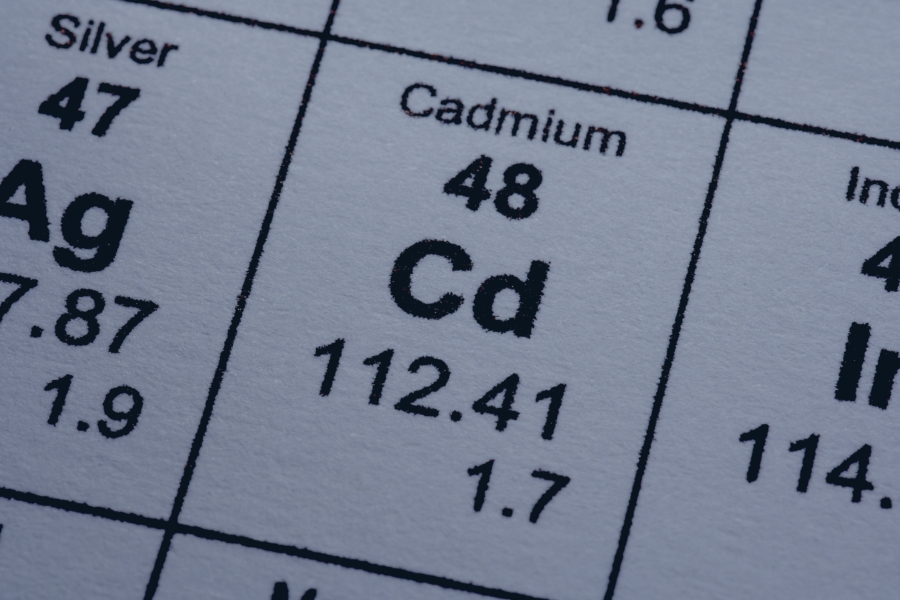
Cadmium is a toxic heavy metal that can be found in certain batteries, plastics, pigments, plating, coatings, and some electronics-related materials. While it has industrial uses, cadmium becomes a serious environmental concern when products containing it are thrown away, burned, dumped, or handled through the wrong disposal stream.
Once cadmium enters the environment, it can contaminate soil, water, air, plants, animals, and eventually people. At EACR Inc., our zero-landfill electronics recycling process helps keep hazardous materials like cadmium out of dumpsters, soil, and waterways.
Understanding Cadmium Pollution
What cadmium is
Cadmium is a naturally occurring metal found in the Earth’s crust, but most environmental concern comes from how it is mined, processed, used, and discarded. It is considered a toxic heavy metal because it has no useful role in the human body and can cause harm when exposure builds over time.
Unlike some materials that break down or become harmless, cadmium can remain in the environment and continue moving through natural systems. That is why proper disposal and recycling matter, especially for products that may contain cadmium or cadmium-based components.
Where cadmium is found in electronics and batteries
Cadmium has been used in nickel-cadmium batteries, certain coatings, pigments, plastics, stabilizers, metal plating, and industrial components. In the electronics world, the biggest concern is usually older rechargeable batteries, battery backup equipment, some specialty electronics, and materials that may be mixed into plastics or coatings.
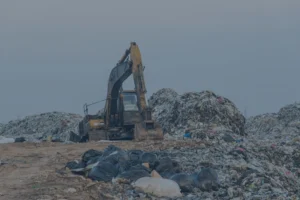
Not every electronic device contains cadmium, but enough products do that e-waste should never be treated casually. When electronics, batteries, or components are tossed into general waste, hazardous materials can end up in landfills, incinerators, or unmanaged scrap streams.
How cadmium enters the environment
Cadmium can enter the environment through mining, smelting, industrial emissions, fossil fuel combustion, waste incineration, fertilizers, sewage sludge, landfill leakage, and improper disposal of batteries or electronics.
For e-waste specifically, the problem often starts when batteries or electronics are thrown away instead of recycled. If materials are crushed, burned, dumped, or exposed to weather over time, cadmium and other hazardous substances can migrate into air, soil, or water.
Why Cadmium is Dangerous to the Environment
Cadmium does not break down easily
Cadmium is an element, which means it does not simply disappear or decompose like organic waste. Once released, it can remain in soil, sediment, dust, or water for long periods.
That persistence makes cadmium pollution especially difficult to manage after the damage is done. Preventing release is much easier than trying to clean up contaminated soil or groundwater later.
It can move through soil and water
Cadmium can move through soil layers and may reach groundwater under the right conditions. It can also be carried by runoff from contaminated land, waste sites, industrial areas, or improperly stored materials.
This movement matters because contamination does not always stay where it starts. A battery or electronic component dumped in the wrong place can contribute to a larger pollution pathway if rainwater, soil movement, or drainage carries contaminants away.
It can build up in plants, animals, and people
One of the biggest concerns with cadmium is accumulation. Plants can absorb cadmium from contaminated soil or water, and animals may be exposed by eating those plants or drinking contaminated water.
Over time, cadmium can move through the food chain. Long-term exposure is especially concerning because cadmium can build up in living organisms instead of passing through quickly.
Environmental Impact of Cadmium Contamination
Soil contamination
Cadmium can contaminate soil through fertilizers, industrial waste, landfill leakage, battery waste, mining activity, and improper disposal of products that contain cadmium. Once in soil, it can remain there for years and may be absorbed by crops, grasses, and other plants.
For electronics and battery waste, the risk increases when materials are left outside, crushed, landfilled, or processed without proper controls. A zero-landfill recycling approach helps reduce the chance that hazardous components end up sitting in soil where they can leach over time.
Water contamination
Cadmium can enter water through runoff, contaminated groundwater, industrial wastewater, hazardous waste site seepage, and landfill leachate. Once water becomes contaminated, cadmium can affect aquatic ecosystems and create exposure risks for plants, animals, and humans.
This is why proper handling matters before disposal ever becomes a problem. Keeping batteries and electronics out of landfills helps reduce the risk of heavy metals reaching stormwater systems, streams, rivers, and groundwater. Heavy metals rarely exist in isolation in the waste stream, and our guide on the effects of mercury on the environment explains how toxic contamination can spread through air, water, and aquatic ecosystems.
Air pollution
Cadmium can also be released into the air through smelting, fossil fuel combustion, municipal waste incineration, and certain industrial emissions. Once airborne, cadmium particles can settle back onto land or water, spreading contamination beyond the original source.
Burning electronics or batteries is especially dangerous because it can release toxic metals and other harmful substances into the air. Responsible recycling helps keep these materials in controlled channels instead of turning them into air pollution.
How Cadmium Enters the Food Chain
Plants can absorb cadmium from contaminated soil
Plants can take up cadmium through their roots when soil or irrigation water is contaminated. Crops such as rice, grains, potatoes, leafy vegetables, and other vegetables may absorb cadmium depending on soil conditions and exposure levels.
This is one reason soil contamination is such a serious issue. Once cadmium enters farmland or garden soil, it can become part of the food system instead of staying isolated in the ground.
Animals and humans can be exposed through food
Animals can be exposed when they eat contaminated plants, drink contaminated water, or live in polluted environments. Humans can then be exposed through crops, shellfish, mushrooms, and organ meats such as liver or kidney from animals that have accumulated cadmium.
Food chain exposure is not always obvious. Cadmium pollution may start with industrial activity, waste handling, or improper disposal, but the long-term result can be contamination that reaches people through ordinary food sources.
Why long-term accumulation matters
Cadmium is especially concerning because long-term exposure can build up in the body over time. The kidneys and bones are among the main areas of concern, and chronic exposure can create health risks that may not appear immediately.
From an environmental standpoint, that makes prevention critical. Keeping cadmium-containing products out of landfills, burn piles, and unmanaged waste streams helps reduce the chance of long-term contamination in soil, water, crops, wildlife, and people.
Cadmium in Electronics, Batteries, and E-Waste
Nickel-cadmium batteries
Nickel-cadmium batteries, often called Ni-Cd batteries, are one of the most direct ways cadmium shows up in the electronics and battery recycling world. These batteries were commonly used in rechargeable tools, emergency lighting, backup power systems, medical devices, cordless electronics, and older portable equipment.
The issue is not that these batteries exist. The issue is what happens when they are thrown in the trash, left in storage, crushed, burned, or mixed into general scrap. If Ni-Cd batteries are not handled correctly, cadmium can become part of a larger pollution problem instead of being routed through a controlled recycling process.
Circuit boards, plastics, coatings, and older electronics
Cadmium may also appear in certain circuit boards, plastics, coatings, pigments, stabilizers, plated parts, and older electronics. It has been used because it can resist corrosion, add color to materials, stabilize plastics, and support certain industrial applications.
That does not mean every electronic device contains cadmium, but it does mean e-waste should be treated as a material stream that needs proper sorting and downstream handling. Older electronics, mixed batteries, industrial equipment, and specialty components are especially important to keep out of landfills.
Why improper disposal increases environmental risk
Improper disposal increases risk because cadmium does not simply disappear once a product is thrown away. If electronics or batteries are landfilled, crushed, burned, or exposed to weather, hazardous materials can escape into soil, water, dust, or air.
That is why proper e-waste recycling matters. It keeps batteries, components, plastics, metals, and potentially hazardous materials moving through controlled channels instead of leaving them in dumpsters, storage rooms, or unmanaged disposal sites. Improper disposal of electronics and batteries can release multiple toxic metals at once, so it’s also worth understanding the broader effects of lead on the environment and how responsible recycling helps reduce contamination risks.
How Cadmium Pollution Affects Wildlife and Ecosystems
Plant growth and soil health
Cadmium contamination can affect soil health and plant growth. When cadmium enters soil, plants may absorb it through their roots, especially in areas affected by industrial waste, landfill leakage, contaminated runoff, or improper disposal.
This can weaken plant development and create a pathway into the food chain. Crops, grasses, and vegetation can become part of the contamination cycle when soil is not protected from heavy metal pollution.
Aquatic ecosystems and contaminated runoff
Cadmium can reach streams, rivers, ponds, wetlands, and groundwater through runoff or seepage. Once it enters aquatic environments, it can affect organisms living in or near the water.
Fish, shellfish, insects, amphibians, and other aquatic life may be exposed through contaminated water or sediment. Over time, that exposure can move through the ecosystem as larger animals feed on smaller contaminated organisms.
Biodiversity and long-term ecosystem stress
The long-term danger of cadmium pollution is that it can create stress across multiple parts of an ecosystem. Soil organisms, plants, aquatic life, birds, mammals, and humans can all be affected when contamination moves through land and water.
Even low-level contamination can matter when it persists over time. Cadmium pollution may reduce plant health, harm wildlife, disrupt feeding patterns, and contribute to broader biodiversity loss when ecosystems are repeatedly exposed.
Preventing Cadmium Pollution Through Proper Recycling
Why electronics should not go to landfills
Electronics should not go to landfills because they can contain materials that require controlled handling. Batteries, circuit boards, coatings, plastics, displays, and internal components may contain heavy metals or other substances that should not be buried, burned, or dumped.
Landfills are not designed to recover reusable materials from electronics. Proper recycling helps keep hazardous components out of disposal streams while recovering metals, plastics, and other materials that can be processed through better downstream channels.
How responsible recycling helps control hazardous materials
Responsible recycling helps control hazardous materials by sorting electronics, separating batteries, identifying risky components, and routing materials through appropriate recycling streams. This reduces the chance that cadmium-containing items are crushed, incinerated, or exposed to weather.
For businesses, responsible recycling also creates a cleaner process. Instead of guessing what to do with old electronics, batteries, or equipment, they can work with a recycler that understands safe collection, sorting, transportation, and documentation.
Why businesses need safe collection and documentation
Businesses often handle more electronics and batteries than they realize. Old laptops, backup power units, tools, emergency lighting, IT equipment, and stored e-waste can pile up in closets, warehouses, maintenance rooms, and equipment areas.
Safe collection helps prevent careless handling. Documentation helps prove that materials were properly removed, recycled, and routed through the right channels. For companies tracking sustainability, vendor management, compliance, or internal disposal records, certificates of recycling can make that process much easier.
Frequently Asked Questions About Cadmium and the Environment
What is cadmium?
Cadmium is a toxic heavy metal that occurs naturally in the Earth’s crust but is also used in industrial products, batteries, coatings, pigments, plating, plastics, and some electronics-related materials.
Where is cadmium found in electronics?
Cadmium may be found in nickel-cadmium batteries, certain older electronics, plated parts, coatings, pigments, plastics, stabilizers, and some specialized electronic or industrial components.
How does cadmium affect soil?
Cadmium can contaminate soil and remain there for long periods. Plants may absorb cadmium through their roots, which can affect plant health and allow cadmium to move into the food chain.
Can cadmium contaminate water?
Yes. Cadmium can contaminate water through runoff, groundwater movement, landfill leachate, industrial wastewater, and hazardous waste site seepage. Once in water, it can affect aquatic ecosystems and wildlife.
Is cadmium found in batteries?
Yes. Cadmium is found in nickel-cadmium batteries, also known as Ni-Cd batteries. These batteries should be recycled properly and should not be thrown in the trash.
How can cadmium pollution be prevented?
Cadmium pollution can be reduced by properly recycling electronics and batteries, keeping e-waste out of landfills, avoiding incineration, using safe collection programs, and working with responsible recycling providers.
Conclusion
Cadmium can contaminate air, soil, water, and food chains when materials are not handled correctly. Because it can persist in the environment and move through ecosystems, prevention is the best approach.
If your business has electronics, batteries, or e-waste that may contain cadmium, EACR Inc. is an electronics recycling company who can help with zero-landfill recycling, pickup, and certificates of recycling.