The effects of lead on the environment begin with how this heavy metal enters it in the first place. Lead is a naturally occurring element, but human activity has drastically increased its concentration in our surroundings. Because it doesn’t break down or decompose, once lead is released, it stays—circulating through soil, air, and water for decades.
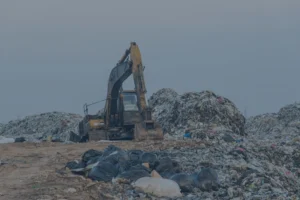
Common environmental sources include old lead-based paint, corroded plumbing pipes, car batteries, industrial emissions, and especially discarded electronics. When electronics like computers, televisions, and circuit boards end up in landfills instead of being properly recycled, the lead inside them can leak out. Rainwater and weathering carry this contamination into nearby soil and groundwater, where it continues spreading.
Companies like EACR Inc. help prevent this contamination through professional electronics recycling, safely recovering materials before they can release lead into the environment. Their responsible recycling process ensures that toxic metals are handled, processed, and reused safely—protecting both people and the planet.
How Lead Affects Soil and Groundwater
Once lead enters the soil, it binds tightly to organic matter and clay particles, making it extremely persistent. Over time, this contamination builds up—especially near landfills, industrial areas, and e-waste dumps. Lead-laden soil loses its fertility, making it harder for plants to grow and absorb nutrients. Even when plants do grow, they can absorb trace amounts of lead through their roots, introducing this toxic metal into the food chain.
The situation becomes even more serious when lead seeps into groundwater. Rainfall and surface runoff wash contaminated soil into streams, rivers, and aquifers—the sources many communities rely on for drinking water. Because lead doesn’t dissolve easily, it accumulates in these systems, posing long-term risks to ecosystems and human health alike. Prolonged exposure, even at low levels, can affect entire populations over time.
The Impact of Lead on Air Quality
Lead contamination doesn’t just stay in the ground—it can travel through the air as well. During industrial manufacturing, smelting, or the burning of waste (including electronics), fine lead particles are released into the atmosphere. These airborne particles settle onto soil and water surfaces, continuing the cycle of pollution.
As wind and rain carry these particles across large distances, they contaminate areas far from their original source. Crops can absorb lead deposited from the air, while animals inhale or ingest it through food and water. Over time, these pollutants build up in the ecosystem, causing developmental and reproductive issues in wildlife and reducing overall biodiversity.
Airborne lead is especially dangerous because of its ability to move freely between air, soil, and water—creating a continuous loop of contamination that’s difficult to stop without proper intervention and safe recycling systems.
The Broader Ecological Consequences
The effects of lead on the environment extend far beyond soil or water contamination—they ripple through entire ecosystems. One of the most concerning processes is bioaccumulation, where small organisms like plankton or worms absorb trace amounts of lead, which then move up the food chain. When predators eat contaminated prey, the concentration of lead increases in their bodies over time, amplifying the toxicity at every level.
This buildup leads to devastating effects on wildlife. Birds exposed to lead may experience neurological problems that affect flight and navigation. Fish and marine life can suffer from reduced growth, reproductive harm, or death when levels become too high. In aquatic ecosystems, lead disrupts reproduction cycles and weakens entire populations, threatening biodiversity in the long run.
Because lead doesn’t naturally degrade, it lingers in soil, sediment, and living tissue for decades. Its persistence means even areas cleaned years ago can remain unsafe for future generations of plants, animals, and humans.
Human Health Risks from Environmental Lead Exposure
Lead’s reach doesn’t stop with nature—it affects people too. Environmental lead exposure can happen through contaminated air, soil, food, or water, and its impact on the human body is both widespread and lasting. Once inside the bloodstream, lead interferes with how organs function and how the nervous system develops.
In children, this can cause irreversible brain damage, learning difficulties, and behavioral problems. Adults exposed to lead over time may face kidney damage, high blood pressure, and cardiovascular issues. Pregnant women are particularly at risk since lead can pass from mother to child, affecting fetal development.
Much of this exposure ties back to poor e-waste management. As discarded electronics break down, their lead components can leach into the surrounding environment, eventually making their way into human systems through the food we eat or the water we drink. Preventing contamination at the source—by recycling electronics properly—is one of the most effective ways to limit human exposure worldwide.
Global Challenge — Lead Pollution and E-Waste
Around the world, lead pollution remains one of the most pressing environmental health challenges. Both the World Health Organization (WHO) and the U.S. Environmental Protection Agency (EPA) list lead as a top-priority toxic substance due to its persistence and cumulative harm. Each year, millions of tons of electronic waste are produced globally, and much of it contains components with high concentrations of lead—especially in circuit boards, cathode ray tubes, and solder.
When e-waste isn’t handled properly, the result is widespread contamination. Informal dumping sites across developing regions often burn or dismantle electronics without safety measures, releasing lead and other heavy metals into the surrounding air, soil, and water systems. This not only harms local ecosystems but also endangers the health of people who live and work near these areas.
Through responsible electronics recycling programs, EACR Inc. helps recover and process electronics safely, reducing the amount of lead and other toxic materials that can seep into our environment. By keeping e-waste out of landfills and ensuring materials are recycled the right way, companies like EACR Inc. play a crucial role in minimizing the global effects of lead pollution and supporting a cleaner, more sustainable future.
Solutions for Reducing Lead Pollution
Reducing lead pollution starts with strong policies, responsible manufacturing, and everyday awareness. Government agencies like the Environmental Protection Agency (EPA) have set strict guidelines for managing lead waste, including limits on emissions and safe disposal standards. On the manufacturing side, global initiatives such as the Restriction of Hazardous Substances (RoHS) directive have pushed industries to eliminate or reduce the use of lead in electronic products, creating safer alternatives across the supply chain.
Public awareness also plays a major role. When individuals and companies understand the risks of improper disposal, they’re more likely to take responsible action—like bringing electronics to licensed recycling centers instead of tossing them into the trash. Corporate responsibility is equally important, as businesses can set examples by partnering with recycling providers, reducing lead-based components, and implementing take-back programs.
Recycling and lead recovery are the most direct ways to prevent contamination. Proper recycling captures toxic metals before they reach the environment, conserving resources and avoiding the hazards of illegal dumping. Each step toward responsible recycling makes a measurable difference in how much lead—and harm—enters our ecosystem.
The Future of Lead-Free Manufacturing and Waste Management
The shift toward lead-free manufacturing is already underway. Innovations in material science have made it possible to replace lead in batteries, solder, and electronics without compromising performance. Companies are now using advanced alloys, organic materials, and nanotechnology to create components that are both efficient and environmentally safe.
As consumer demand grows for sustainable products, industries are being pushed to rethink how devices are built and disposed of. Cleaner production methods, circular design principles, and reduced reliance on toxic substances are shaping a new generation of technology that’s safer for both people and the planet.
Modern recycling infrastructure is also evolving to support this transformation. Facilities equipped with advanced separation and recovery systems can extract usable metals, keeping reusable materials in circulation. This closed-loop economy ensures fewer resources are mined, less waste is created, and far less lead ends up in our environment.
Conclusion: Protecting the Environment from Lead’s Legacy
The effects of lead on the environment remain one of the most persistent challenges of modern industry. This heavy metal continues to threaten ecosystems, wildlife, and human health long after it’s released. From contaminated soil to polluted waterways, its impact serves as a reminder that prevention is always more effective than cleanup.
Protecting our planet means committing to responsible manufacturing, smarter waste management, and proper recycling. Every device or appliance recycled safely is one less source of lead pollution. When companies and communities work together, small actions add up to lasting change.
By supporting electronics recycling and sustainable waste practices, we can reduce lead exposure, conserve resources, and help build a cleaner, safer world for generations to come.