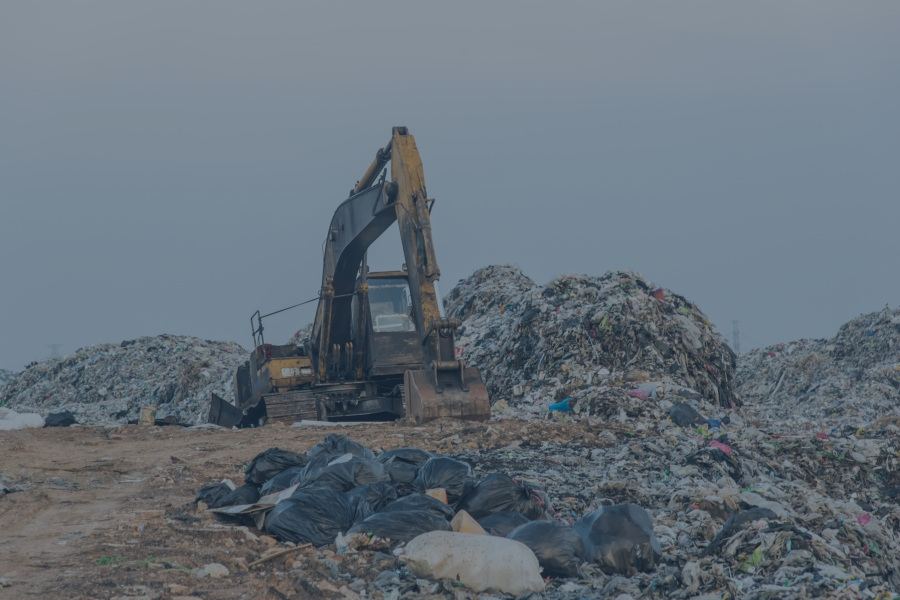
Too much usable material still ends up in landfills. That includes items that could be reused, recycled, recovered, repaired, or processed through a better end-of-life channel.
Landfill diversion is the practice of redirecting materials away from landfills through reuse, recycling, recovery, composting, refurbishment, or other responsible methods. The goal is simple: keep materials with remaining value out of the waste stream whenever possible.
For electronics, this matters a lot. E-waste can contain metals, plastics, circuit boards, batteries, glass, copper wiring, aluminum, and other recoverable materials. When those materials are buried instead of recovered, businesses lose resources and increase the environmental burden tied to disposal.
If your organization is managing outdated electronics, EACR Inc., an electronics recycling company, can help support landfill diversion through e-waste recycling, pickup services, and responsible material recovery.
What is Landfill Diversion?
Landfill diversion means keeping materials out of landfills by sending them to better end uses. For businesses, that often means separating recyclable, reusable, or recoverable materials from regular trash and routing them through the right recycling or recovery process.
Simple Definition
Landfill diversion is the process of preventing usable or recoverable materials from being disposed of in a landfill.
Instead of sending everything to the trash, materials are evaluated and redirected to a better path when possible.
Common Diversion Methods
Common landfill diversion methods include:
- Recycling
- Reuse
- Refurbishment
- Material recovery
- Composting
- Beneficial reuse
- Responsible downstream processing
For e-waste, the focus is usually on reuse, refurbishment, electronics recycling, parts recovery, and material recovery.
Why It Matters
Landfill diversion matters because it helps:
- Reduce landfill waste
- Recover useful materials
- Support sustainability goals
- Improve waste management programs
- Help organizations manage waste more responsibly
For companies, schools, healthcare facilities, and public agencies, diversion also supports better internal tracking and cleaner environmental reporting.
Why Landfill Diversion Matters for E-Waste
Electronics are one of the most important waste streams to divert because they contain recoverable materials and require more careful handling than normal trash.
Electronics Contain Recoverable Materials
Many electronics contain materials that can be separated and recovered through the recycling process.
Common recoverable materials include:
- Metals
- Plastics
- Copper wiring
- Aluminum
- Circuit boards
- Batteries
- Glass
These materials may be found in computers, laptops, servers, printers, copiers, monitors, phones, network equipment, batteries, and many other devices.
E-Waste Should Not Be Treated Like Regular Trash
Electronics may contain materials that can create environmental problems if mishandled.
That is why e-waste should not be tossed into dumpsters, mixed with general trash, or left unmanaged in storage rooms for years. Responsible electronics recycling helps keep recoverable materials in circulation while reducing the risk of improper disposal.
For businesses, proper e-waste handling also creates a cleaner process for equipment refreshes, office cleanouts, data center projects, and facility upgrades.
Businesses Generate E-Waste at Scale
Most organizations generate more e-waste than they realize.
Common sources include:
- Offices
- Schools
- Healthcare facilities
- Data centers
- Warehouses
- Government buildings
- Retail locations
- Industrial facilities
One old laptop may seem small. But hundreds of laptops, monitors, printers, batteries, cables, and servers can quickly become a serious waste management issue.
What Materials Can Be Diverted From Landfills?
Landfill diversion can apply to many types of materials. For EACR, the most relevant focus is electronics, batteries, office equipment, and recoverable materials inside those devices.
Electronics and IT Equipment
Common electronics and IT equipment that can be diverted from landfills include:
- Computers
- Laptops
- Servers
- Monitors
- Printers
- Copiers
- Network equipment
- Tablets
- Phones
- Keyboards and mice
These items often contain metals, plastics, circuit boards, wiring, and reusable components.
Batteries and Power Equipment
Batteries and backup power equipment should be handled carefully and routed properly.
Examples include:
- UPS batteries
- Rechargeable batteries
- Lead acid batteries
- Lithium batteries
- Backup power systems
- Battery packs
- Power supplies
Because batteries can create safety and handling concerns, they should not be mixed casually with regular trash or unmanaged electronics piles.
Office and Facility Equipment
Many office and facility items also support landfill diversion when recycled properly.
Examples include:
- Phones
- Scanners
- Cables
- Small appliances
- Light fixtures
- Security equipment
- Audio/video equipment
- Office electronics
These materials often build up during office moves, renovations, closures, and equipment upgrades.
Reusable or Recoverable Materials
Even when a device no longer works, parts of it may still have value.
Reusable or recoverable materials may include:
- Steel
- Aluminum
- Copper
- Plastics
- Circuit boards
- Glass
- Wiring
- Working devices that can be reused or refurbished
The goal is to avoid treating everything as trash. When materials are properly sorted and processed, more of the waste stream can be recovered and kept out of landfills.
How Businesses Can Improve Landfill Diversion
Businesses can improve landfill diversion by making e-waste recycling part of normal operations instead of waiting until equipment piles up.
Start With an Inventory
Begin by identifying old electronics, batteries, office equipment, and stored assets.
Look in:
- IT closets
- Storage rooms
- Maintenance areas
- Warehouses
- Desk drawers
- Equipment rooms
- Decommissioned office spaces
Most organizations have more unused electronics than they realize.
Create a Collection System
Make it easy for staff to separate electronics from regular trash.
This could include designated e-waste areas, labeled collection bins, or e-waste containers for larger facilities.
A clear system prevents electronics from being mixed with regular waste and helps staff know what to do with old equipment.
Schedule Routine Pickups
Routine pickups are helpful for:
- Schools
- Offices
- Healthcare facilities
- Warehouses
- Multi-site businesses
- Government buildings
- IT departments
Instead of waiting for a storage room to overflow, scheduled pickups create a predictable process for removing outdated equipment.
Track What Gets Recycled
Keep records of what gets collected and recycled.
Tracking can help with:
- Sustainability reporting
- Internal audits
- Waste reduction goals
- Budget planning
- Vendor accountability
Even basic records are better than guessing later.
Work With the Right Recycling Partner
Choose a recycler that can handle electronics responsibly and provide documentation.
For e-waste, the right partner should understand equipment handling, battery separation, material recovery, downstream recycling, and business documentation needs.
Frequently Asked Questions About Landfill Diversion
What is landfill diversion?
Landfill diversion means keeping usable, recyclable, recoverable, or reusable materials out of landfills by routing them through better end-of-life channels.
What is an example of landfill diversion?
An example of landfill diversion is recycling old laptops, monitors, printers, batteries, and cables instead of throwing them away with regular trash.
Is recycling considered landfill diversion?
Yes. Recycling is one of the most common forms of landfill diversion because it helps recover materials that would otherwise be discarded.
How does electronics recycling support landfill diversion?
Electronics recycling supports landfill diversion by recovering materials like metals, plastics, copper wiring, circuit boards, batteries, and glass from old devices.
Can businesses track landfill diversion?
Yes. Businesses can track landfill diversion through pickup records, equipment lists, weight reports, certificates of recycling, and diversion documentation when available.
Conclusion
Landfill diversion means keeping usable, recoverable, or recyclable materials out of landfills. Instead of treating everything as trash, organizations can route materials through reuse, recycling, recovery, and responsible downstream processing.
For e-waste, this is especially important. Electronics contain materials that should be reused, recovered, or responsibly recycled, including metals, plastics, batteries, circuit boards, wiring, and glass.
EACR Inc.’s zero landfill approach is built around keeping electronic waste out of landfills whenever equipment can be reused, recovered, or ethically recycled.
If your business, school, healthcare facility, or organization needs help keeping electronics out of landfills, EACR Inc., an e-waste recycling company, can help with e-waste recycling, pickup services, containers, and responsible recovery programs.