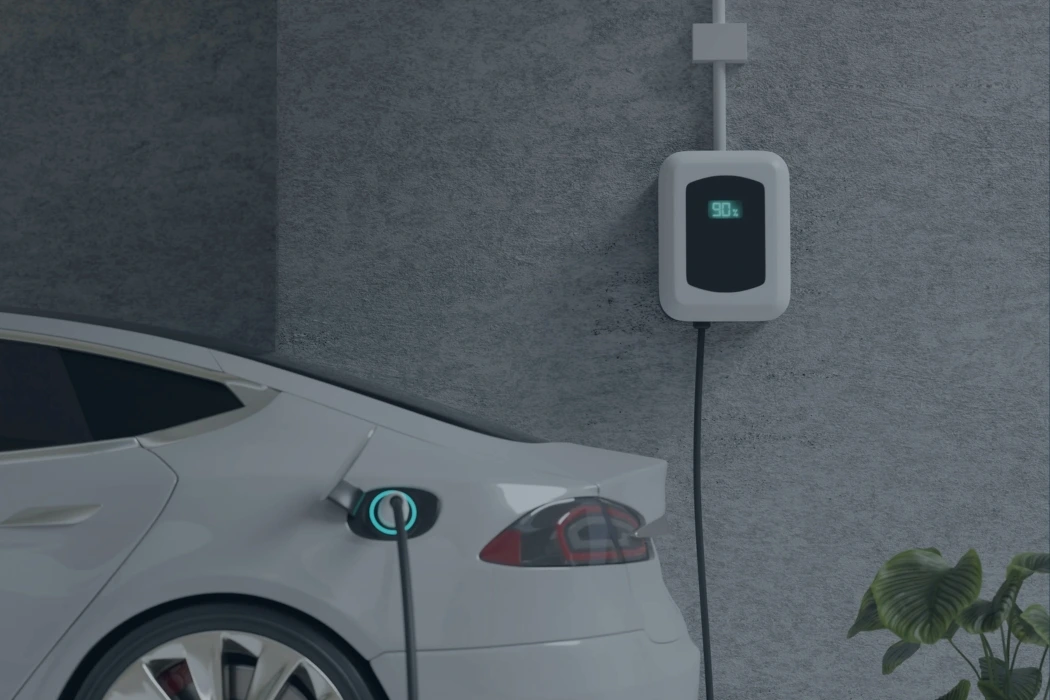
EV charger recycling is becoming more important as more homes, businesses, parking lots, fleets, and public spaces install charging stations.
EV chargers are built to last, but they do not last forever. Residential chargers may age out over time, while commercial and public charging stations often wear down faster because of heavy use, weather exposure, and technology upgrades.
The quick answer is yes: EV charging stations can and should be recycled. These units contain metals, wiring, plastics, circuit boards, and sometimes batteries that need proper handling.
If you have EV charging equipment to remove, our electronics recycling company provides pickup, drop-off, and bulk recycling solutions for businesses, property owners, municipalities, and organizations.
Why EV Charger Stations Should Be Recycled
EV charging stations are part of the clean transportation movement, but they still become electronic waste at the end of their life.
Recycling helps keep outdated chargers out of landfills while allowing reusable materials to be recovered and processed properly.
Reduces Electronic Waste
EV chargers are a growing e-waste category.
They are not small household electronics. Many units are bulky, material-heavy, and built with wiring, circuit boards, housings, mounting hardware, and electrical components.
When charging stations are removed during upgrades or replacements, recycling gives those materials a better path than disposal.
Prevents Environmental Harm
EV charging stations contain internal electronics and components that should not be mishandled or dumped.
Outdoor chargers are especially exposed to weather, impact, corrosion, and long-term wear. Once a unit starts breaking down, improper storage or disposal can create unnecessary environmental risk.
Proper recycling helps make sure components are handled, sorted, and processed through the right channels.
Recovers Reusable Materials
EV chargers can contain copper, aluminum, steel, circuit board metals, plastics, and heavy-duty cabling.
Instead of treating those materials as waste, recycling allows reusable materials to be separated and routed for recovery.
That reduces the need to extract as many new raw materials and supports a more responsible electronics lifecycle.
Supports Sustainable Infrastructure
EV adoption is meant to support cleaner transportation.
But the infrastructure matters too.
If charging stations are installed, upgraded, and replaced without a recycling plan, the industry creates another e-waste problem. Recycling EV chargers helps make the full system more sustainable from installation to end-of-life handling.
What’s Inside an EV Charging Station
An EV charging station is more than a plug and a cord.
These units are electrical systems with multiple material types, which is why they should be handled as e-waste rather than general trash.
Metals: Copper, Aluminum, and Steel
EV chargers often contain metal in the wiring, frame, brackets, panels, connectors, and internal structure.
Copper is especially common in charging cables and electrical components because it conducts electricity well. Aluminum and steel may be used for housings, mounting systems, and structural parts.
Circuit Boards: PCBs
Printed circuit boards help control the charging process.
These boards may manage communication, safety functions, power regulation, and user interface features. They can also contain recoverable metals and should be processed through proper electronics recycling channels.
Plastics and Housings
Many EV chargers use plastic for outer casings, insulation, protective covers, display areas, and internal separators.
These plastics help protect electrical components during use, but they still need to be sorted properly when the unit is taken apart.
Wiring and Charging Cables
Charging cables are one of the most material-heavy parts of many EV charging stations.
They are built to handle high electrical loads and frequent use. Because they often contain heavy-duty copper wiring, they are an important part of the recycling process.
Batteries In Some Units
Some EV charging systems may include backup batteries or energy storage components.
These need special attention during removal, sorting, and recycling. Batteries should be identified early so they can be handled safely and routed through the correct recycling process.
The EV Charger Recycling Process
The exact recycling process depends on the charger type, condition, size, and quantity. A small residential charger may be handled differently than a full commercial charging station removal project.
Still, the basic process usually follows the same path.
Collection and Transportation
The first step is getting the charger to the recycling facility.
For small quantities, drop-off may be an option. For businesses, property managers, municipalities, fleet operators, or larger removals, scheduled pickup is usually the better choice.
Proper collection helps keep equipment organized and reduces the risk of improper handling.
Equipment Breakdown and Disassembly
Once the EV charger is received, the unit can be broken down into its major components.
That may include removing cables, housings, circuit boards, mounting hardware, metal panels, plastics, and any battery components.
Disassembly helps separate materials before they move into more specific recycling streams.
Material Separation
After breakdown, materials are sorted by type.
Common categories include:
- Metals
- Plastics
- Circuit boards
- Wiring
- Charging cables
- Batteries, if present
- Other electronic components
This step matters because different materials require different handling and processing.
Processing and Recovery
Once separated, materials are routed to the proper recycling channels.
Metals and components can be processed into reusable outputs, while electronics and batteries are handled according to their material type and condition.
The goal is to recover what can be reused and keep problem materials out of improper disposal streams.
EV Charger Recycling Options
Not every EV charger recycling project looks the same.
A homeowner with one old charger has different needs than a fleet operator replacing dozens of commercial units. The right option depends on quantity, location, equipment size, and whether the charger is part of a larger removal project.
Scheduled Pickup Services
Scheduled pickup is usually the best option for larger EV charger recycling needs.
This works well for:
- Businesses
- Commercial properties
- Fleet operators
- Parking facilities
- Municipal sites
- Multi-unit removals
- Charging station upgrades
Pickup services make the process easier when units are heavy, hardwired, bulky, or spread across multiple locations.
Drop-Off Recycling
Drop-off recycling may work for smaller quantities.
This is often a good fit for:
- Individual property owners
- Small residential chargers
- Small business equipment
- Single-unit removals
Before dropping off an EV charger, it is smart to confirm that the recycler accepts charging equipment and can handle any related components, such as cables or backup batteries.
E-Waste Container Programs
E-waste container programs are useful for ongoing recycling needs.
They are ideal for:
- Facilities
- Municipalities
- Warehouses
- Property management groups
- Campuses
- Commercial sites
- Seasonal collection programs
Containers allow organizations to collect electronics, chargers, cables, batteries, and related e-waste in one controlled place before pickup.
Bulk and Decommissioning Projects
Bulk recycling is often needed when EV charging stations are being upgraded, removed, or replaced across a property or network.
This may include:
- Charging network upgrades
- Site removals
- Infrastructure replacement
- Commercial property renovations
- Fleet charging station changes
- Public charging station replacements
For larger projects, working with an electronics recycling company helps coordinate removal, collection, transportation, and recycling from start to finish.
EV charger recycling is something to plan for before old charging equipment starts piling up, especially as more homes, businesses, and public sites replace aging units.
How Long Do EV Charging Stations Last?
EV charging stations are built for regular use, but they still have a limited lifespan. Usage, weather exposure, installation quality, maintenance, and technology changes all affect how long a charger stays in service.
Residential Chargers
Residential EV chargers typically last around 8 to 10 years with proper use and maintenance.
Home chargers usually see lighter daily use than public chargers, so they may last longer if they are installed correctly, protected from harsh conditions, and not physically damaged.
Commercial / Public Chargers
Commercial and public EV chargers typically last around 5 to 7 years.
These units often deal with heavier usage, outdoor weather, impact damage, vandalism, cable wear, and constant plug-in cycles. That extra stress can shorten their useful life compared to a residential charger.
Technology Obsolescence
Sometimes EV chargers are replaced before they completely fail.
Charging technology moves fast. Businesses, fleets, municipalities, and property owners may upgrade older units to improve speed, compatibility, payment systems, networking features, or energy efficiency.
When that happens, the old charging stations should be recycled instead of stored, dumped, or sent to a landfill.
Best Practices Before Recycling an EV Charger
Before recycling an EV charger, it is important to handle the equipment safely. These are electrical systems, not basic scrap items.
Disconnect and Decommission Safely
Make sure the EV charger is powered down and disconnected properly before removal.
For hardwired chargers or commercial charging stations, this should usually be handled by a qualified electrician or service technician. Safe decommissioning helps prevent electrical hazards, equipment damage, and improper handling during transport.
Identify Reusable Components
Some charger components may be reusable before the unit is fully recycled.
Cables, mounting hardware, housings, connectors, or modular parts may still have use depending on condition and compatibility. Identifying these parts early can help reduce waste and support a more practical recycling process.
Work with a Licensed Electronics Recycler
EV chargers contain electronics, wiring, metals, plastics, and sometimes batteries, so they should be handled by a licensed electronics recycler.
Working with the right recycler helps ensure proper sorting, material recovery, documentation, and compliance. This is especially important for businesses, property managers, municipalities, and organizations handling multiple units or larger removal projects.
Final Thoughts
EV chargers are complex electronics. They should not be treated like regular trash or basic scrap.
Recycling supports sustainability, helps with compliance, and allows reusable materials like copper, aluminum, steel, plastics, wiring, and circuit board components to be recovered and routed properly.
If you need to recycle EV charging stations, our e-waste recycling company provides safe, scalable solutions for businesses, property managers, and organizations. Contact us to schedule a pickup or explore your recycling options.