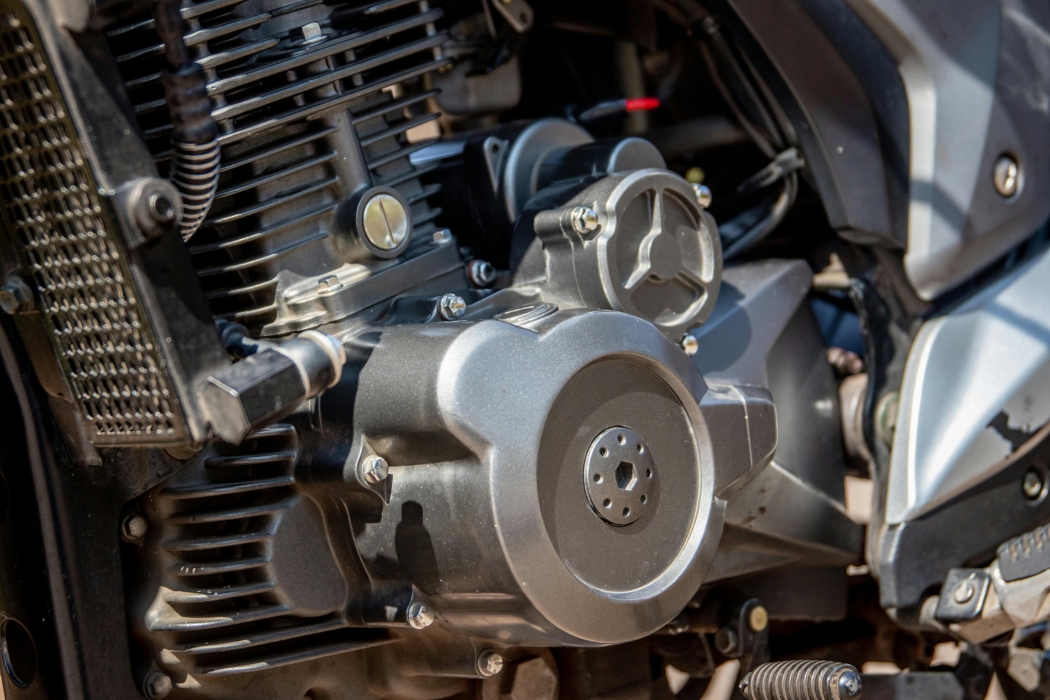
Electric motor recycling plays a key role in reducing e-waste and conserving resources that can be reused instead of being discarded. Electric motors power everything from household appliances and HVAC systems to industrial machinery and vehicles. When these motors reach the end of their life, they still contain reusable materials, especially metals like copper, steel, and aluminum that can be recovered through responsible recycling.
Recycling electric motors prevents harmful materials from ending up in landfills while supporting sustainability through material recovery. At EACR Inc., we provide licensed electronics recycling services with a strict zero-landfill policy, ensuring that every motor is processed safely and efficiently to protect both the environment and your business.
Why Electric Motor Recycling Matters
Environmental Benefits
Electric motors are packed with metals that can be recycled and reused rather than mined from the earth again. Each motor contains copper windings, steel housings, and aluminum casings, materials that take significant energy and resources to produce from raw ore.
By recycling these metals, manufacturers reduce energy consumption, lower carbon emissions, and cut down on the environmental damage caused by mining. Proper electric motor recycling also prevents contamination from oils, varnishes, and insulation coatings that could otherwise seep into soil and water if motors are disposed of improperly.
Economic and Industrial Value
Beyond environmental protection, electric motor recycling helps strengthen industrial supply chains. The recovered metals and components are returned to manufacturers, keeping essential materials in circulation.
For businesses, this translates to cost savings and improved efficiency. Instead of paying for disposal or replacement, companies can partner with recyclers like EACR Inc. to reclaim reusable materials and comply with environmental regulations, all while contributing to a more circular economy.
What’s Inside an Electric Motor
Key Components
Understanding what’s inside an electric motor helps explain why recycling them is so beneficial. Common parts include:
- Copper windings – conduct electricity efficiently and are highly reusable.
- Steel shafts and housings – form the structural base of most motors.
- Aluminum end caps and frames – lightweight and easy to recycle.
- Bearings, insulation, and magnets – found in nearly all motor assemblies.
- Electrical wiring and coatings – contain metals and protective materials that can be separated during processing.
Hazardous Materials to Consider
While most components are recyclable, certain materials require specialized handling:
- Oils, greases, and varnishes used for cooling and insulation can release pollutants if not removed properly.
- Small circuit components found in some motors must be processed by licensed facilities to ensure safety and compliance with e-waste regulations.
Through professional recycling, EACR Inc. ensures every motor is carefully dismantled, reusable parts are recovered, and hazardous materials are safely managed.
Types of Electric Motors That Can Be Recycled
Electric motor recycling applies to a wide range of devices and industries. From small household appliances to heavy industrial machinery, nearly every motor contains reusable materials that can be recovered and reintroduced into the production cycle. Here are the most common types of motors accepted for recycling by EACR Inc.
AC and DC Motors
Alternating current (AC) and direct current (DC) motors are among the most common. Found in everything from industrial machines to fans and pumps, these motors contain copper windings, steel housings, and aluminum components, all of which can be safely and efficiently recycled.
Industrial and Manufacturing Motors
Large-scale operations depend on powerful electric motors to run equipment, conveyors, and automated systems. These heavy-duty motors are prime candidates for recycling due to their size and high metal content. EACR Inc. provides pickup and dismantling for industrial clients across the region.
HVAC Compressor Motors
Heating, ventilation, and air conditioning systems rely on compressor motors to circulate refrigerants and maintain airflow. When these motors wear out or are replaced, they contain copper, steel, and other reusable materials that can be recovered through proper recycling.
Appliance Motors
Many household and commercial appliances, including washers, dryers, dishwashers, and refrigerators, use compact electric motors. Recycling these motors helps keep metals and wiring out of landfills and ensures components are reused rather than wasted.
Automotive Starter Motors and Alternators
Vehicles contain electric motors in several systems, from starters and alternators to window and seat mechanisms. Automotive motor recycling not only conserves metals like copper and aluminum but also keeps oils and greases from entering the waste stream.
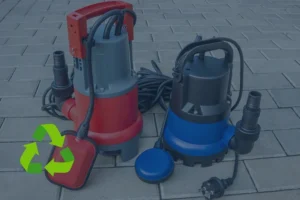
Pump, Fan, and Blower Motors
Found in both residential and industrial settings, these motors are ideal for recycling because they contain high-grade copper windings and steel casings. EACR Inc. accepts all varieties for processing and material recovery.
The Electric Motor Recycling Process
Recycling electric motors isn’t as simple as tossing them into a bin—it involves a careful, step-by-step process that ensures safe handling, resource recovery, and environmental compliance. Here’s how EACR Inc. handles electric motor recycling from start to finish.
1. Collection and Sorting
EACR Inc. collects motors from homes, businesses, schools, and industrial facilities across the East Coast. Once received, each motor is sorted by size, type, and material composition. This step allows recyclers to separate small appliance motors from larger industrial units for efficient processing.
2. Disassembly
Next, motors are carefully dismantled. The outer housing, wiring, and internal parts are separated, and reusable metals like copper and aluminum are removed. This step maximizes recovery potential and ensures that recyclable materials are isolated for proper disposal.
3. Material Recovery
After disassembly, recyclable materials are processed and separated using approved methods. The recovered metals are reintroduced into the market and manufacturers for reuse. Recycling metals through this process saves significant amounts of energy compared to producing them from raw ore and helps lower overall environmental impact.
4. Responsible Disposal
Any oils, insulation materials, or non-recyclable components are safely managed according to environmental regulations. Licensed recyclers like EACR Inc. ensure these materials never end up in landfills or waterways, maintaining a zero-landfill commitment.
Benefits of Recycling Electric Motors
- Resource conservation: Keeps reusable copper, steel, and aluminum in circulation instead of sourcing new raw materials.
- Reduced landfill waste: Prevents heavy metals, oils, and insulation materials from contaminating soil and water.
- Energy efficiency: Recycling existing metals consumes far less energy than mining and refining new ones.
- Regulatory compliance: Businesses meet EPA and state disposal requirements while supporting sustainable operations.
Where to Recycle Electric Motors
Licensed Recycling Facilities
Drop off motors at a licensed electronics recycler like EACR Inc. in Lakewood, NJ. The facility accepts residential, commercial, and industrial quantities and ensures all motors are processed according to best environmental practices.
Corporate Recycling Programs
For larger organizations, EACR Inc. offers customized bulk pickup programs and Certificates of Recycling for documentation and compliance. These services are ideal for manufacturers, HVAC contractors, and industrial facilities with ongoing recycling needs.
Community E-Waste Events
EACR Inc. also partners with local governments and organizations to host community e-waste drives. Residents can bring small motors and other electronics to these events for safe, convenient recycling.
How to Prepare an Electric Motor for Recycling
Before recycling, a little preparation helps ensure safety and efficiency:
- Disconnect and clean the motor before transport.
- Drain or remove any oil, grease, or lubricants if possible.
- Group motors by type: small appliance motors vs. large industrial ones.
- For businesses, clearly label containers and request a pickup from EACR Inc. for larger loads.
FAQs About Electric Motor Recycling
Are all electric motors recyclable?
Yes. Most electric motors contain reusable metals that can be safely recovered by licensed recyclers.
Can motors with oil or residue still be recycled?
Yes, but they must be handled by professionals who can safely remove fluids before processing.
Do I need to take apart the motor first?
No. EACR Inc. manages all sorting and disassembly.
Can EACR Inc. pick up large quantities of industrial motors?
Absolutely. EACR Inc. provides bulk pickup services and Certificates of Recycling for your records.
Conclusion
Electric motor recycling is an easy, responsible way to recover reusable materials, reduce waste, and support a cleaner planet. Whether you’re replacing a household appliance or managing industrial equipment, recycling your motors ensures nothing goes to waste. Contact EACR Inc. today to schedule a pickup or drop-off and make electric motor recycling part of your sustainability routine.