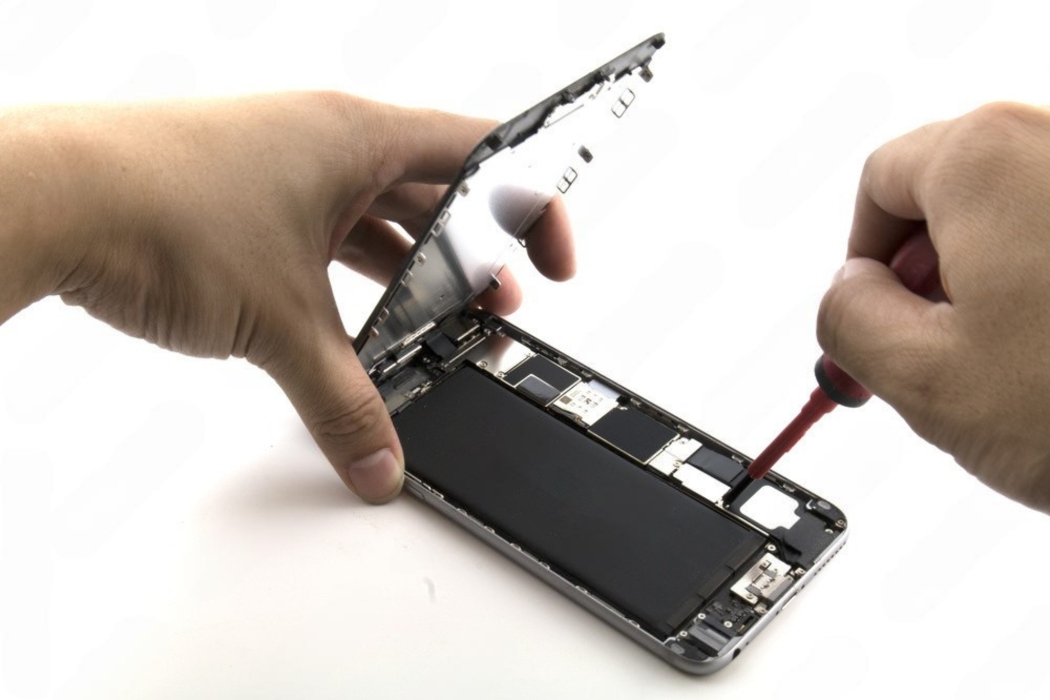
What type of batteries are in cell phones is a question most people never think about until a device stops holding a charge or needs to be thrown away. Cell phones rely entirely on rechargeable battery technology, and the type of battery inside your phone directly affects performance, safety, lifespan, and environmental impact.
Most people don’t know what’s inside their phone or why battery disposal matters so much. This guide explains what battery types are used in cell phones, how they differ, the environmental and safety risks tied to each, and why proper electronics recycling is required instead of tossing old devices in the trash. Check out our complete guide on cell phone recycling parts.
What Batteries Are Used in Modern Cell Phones?
The vast majority of smartphones today use lithium-based batteries due to their high energy density and compact size. These batteries power everything from basic smartphones to high-performance flagship devices.
Older cell phones, however, relied on different battery chemistries that still appear in the waste stream today as outdated devices are cleared out of homes, offices, and storage drawers. Understanding these battery types is important for safe handling and responsible recycling.
Over time, cell phones have used three main rechargeable battery categories: lithium-ion, lithium-ion polymer, and older nickel-based batteries.
Lithium-Ion Polymer (LiPo) Batteries
How LiPo Batteries Differ From Li-Ion
Lithium-ion polymer batteries use a gel-based electrolyte instead of a liquid one. This allows them to be thinner, lighter, and more flexible in shape, making modern slim phone designs possible.
The flexible structure also improves heat dissipation, which is important as phones become more powerful.
Where LiPo Batteries Are Used
Most newer smartphones, especially high-end and ultra-thin models, use LiPo batteries. They are commonly found in flagship devices that prioritize lightweight construction and compact form factors.
Environmental & Disposal Considerations
Despite design differences, LiPo batteries are still lithium-based and regulated. They carry similar fire and contamination risks when improperly handled and must be recycled as electronic waste through licensed programs.
How to Tell What Battery Is in Your Cell Phone
What type of batteries are in cell phones isn’t always obvious, especially since most modern devices are sealed shut. The good news is that there are a few reliable ways to find out without opening your phone.
Manufacturer Specifications
The easiest method is checking the manufacturer’s website. Phone model pages and spec sheets usually list the battery type, capacity, and chemistry.
Device Documentation or Manuals
Original packaging, user manuals, or digital guides often include battery details. Even older phones usually list battery chemistry somewhere in their documentation.
Battery Label (When Accessible)
On older phones with removable backs, the battery itself may have a label identifying it as Li-ion, LiPo, NiMH, or NiCad. Newer phones rarely allow access without professional tools.
Why Most Modern Phones Use Sealed Lithium Batteries
Today’s smartphones almost exclusively use sealed lithium-based batteries. This design improves performance, safety controls, and device durability, but it also means batteries must be recycled with the phone, not removed and discarded separately.
Environmental Impact of Cell Phone Batteries
Cell phone batteries may be small, but their environmental impact is not.
What Happens When Batteries Are Thrown Away
- Soil and groundwater contamination: Damaged or degraded batteries can release metals and chemicals into soil and water over time, especially in landfills.
- Fire risks in waste systems: Rechargeable batteries can ignite when crushed in garbage trucks, transfer stations, or compactors, putting workers and facilities at risk.
- Loss of reusable materials: Lithium, copper, aluminum, and other materials are permanently lost when batteries are trashed instead of recycled.
Why Battery Chemistry Matters for Recycling
Lithium batteries behave very differently than NiCad or NiMH batteries during processing. Mixing battery types increases fire and contamination risks, which is why proper identification and sorting are essential during recycling.
Why Cell Phone Batteries Require Proper Electronics Recycling
Rechargeable cell phone batteries are electronic waste, not household trash.
Curbside recycling programs are not designed to handle batteries safely. They lack the equipment needed to isolate hazards, prevent fires, or recover materials properly.
Licensed electronics recycling programs are built to manage these risks. They isolate batteries, separate materials, and route components through controlled recovery streams. This prevents fires, pollution, and illegal dumping while keeping reusable materials in circulation.
Why Cell Phone Batteries Require Proper Electronics Recycling
Rechargeable cell phone batteries are regulated electronic waste, not household trash.
Curbside recycling programs are not designed to handle batteries safely. They lack the equipment needed to isolate hazards, prevent fires, or recover materials properly. Licensed electronics recycling programs are built to manage these risks. They isolate batteries, separate materials, and route components through controlled recovery streams. This prevents fires, pollution, and illegal dumping while keeping reusable materials in circulation.