California lawmakers are considering Senate Bill 898, a proposal that would create new software-support requirements for internet-connected consumer products sold in the state.
Introduced by Sen. Akilah Weber Pierson, SB 898 would require manufacturers to tell consumers how long a connected product is guaranteed to receive necessary software support. Under the current proposal, that guaranteed support timeframe generally could not be less than five years.
The legislation addresses an increasingly important issue with modern electronics: hardware can continue working long after the software, security patches, applications, or cloud services it depends on disappear.
That can leave consumers with devices that still physically function but are no longer secure, fully supported, or practical to use.
SB 898 also comes as California continues considering new approaches to products and their end-of-life management. Another recent example is the state’s California battery recycling bill, SB 501, which would expand California’s existing battery stewardship system to additional types of batteries.
What Would California SB 898 Require?
SB 898 focuses on giving consumers clearer information about how long the connected products they purchase will actually remain supported.
The legislation would apply to covered consumer products that depend on an internet connection for ordinary use and would establish requirements for manufacturers before and after those products reach the end of their supported life.
A Guaranteed Software Support Timeframe
One of the biggest provisions would require manufacturers to establish a minimum guaranteed support timeframe for covered connected products.
That timeframe would generally need to be at least five years and would represent the period during which the manufacturer commits to providing the updates and support necessary to continue using the product.
Manufacturers would also have to clearly disclose the support timeframe to prospective buyers. Once a guaranteed timeframe has been established and disclosed, the manufacturer generally would not be allowed to shorten it.
That would give consumers something they often do not have today: a clearer idea of the software lifespan of a product before purchasing it.
Consumers Would Know About Support Before Buying
For many electronics, consumers can easily find information about hardware specifications, warranties, battery life, storage capacity, and other features.
Software lifespan can be much harder to determine.
SB 898 would require manufacturers to make support information clear before or when a covered product is purchased instead of leaving consumers to guess how long updates will continue.
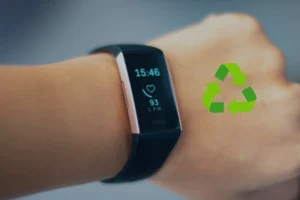
Depending on how the law ultimately applies, connected products could include equipment such as smart appliances, smart TVs, wearables, connected home equipment, and other consumer electronics that rely on internet connectivity, software platforms, applications, or cloud infrastructure for ordinary use.
The important distinction is that SB 898 is not simply concerned with whether a product’s physical components still work. It also considers whether the software and services required to use that product remain available.
What Happens When a Device Reaches End of Life?
SB 898 would also create requirements for what happens when manufacturer support approaches its end.
Under the legislation, the end of life of a connected consumer product is tied to the point when the manufacturer no longer provides the support, security patches, or updates necessary for a consumer to make ordinary use of the product.
Manufacturers Would Have to Notify Owners
Manufacturers would be required to provide clear notice when a connected product is approaching or reaching the end of its supported life.
The goal is to prevent software support from disappearing without consumers clearly understanding what has changed.
End-of-life information could help owners understand when updates are ending, what functionality could be affected, and whether continuing to use the device could involve reduced functionality or security concerns.
For devices increasingly dependent on remote servers, apps, operating systems, and manufacturer-controlled ecosystems, that notice can be just as important as knowing when a traditional hardware warranty expires.
Businesses Providing Connected Products Would Have Responsibilities Too
SB 898 also addresses businesses that own connected products and lease them or provide them to customers as part of a service.
Those businesses would be expected to ensure that updates supplied by the manufacturer are promptly received and applied.
Once a provided product reaches the end of its supported life, the proposal could also require the business to replace it at no additional cost to the customer with a comparable product capable of receiving necessary support and updates when a comparable replacement is reasonably available.
Why Software Support Has Become an E-Waste Issue
A device does not necessarily have to physically break to become obsolete.
The processor may still work. The screen may still turn on. The battery may still charge. Circuit boards, sensors, storage, and other internal components may remain completely functional.
But modern electronics increasingly depend on more than hardware.
When cloud services shut down, security updates stop, app stores disappear, or operating systems are abandoned, a working electronic device can lose much of its practical usefulness.
Older Kindles Show What Can Happen
Amazon’s older Kindle devices provide a recent example. In May 2026, numerous older models lost access to important cloud functionality even though many of the devices could still physically operate. Functions involving purchasing, borrowing, and downloading new books were among those affected.
We looked at that situation in greater detail in how software support, or the lack of software support turned kindles into e-waste.
The Kindle example shows the difference between hardware lifespan and supported lifespan. A product can remain physically capable of performing its basic function while losing the online ecosystem that originally made it useful.
Smartwatches Face the Same Problem
Older Samsung smartwatches demonstrate a similar problem.
Many affected watches can still power on and perform basic functions, but the software platform surrounding them has changed significantly. Access to new apps, downloads, updates, watch faces, and continuing platform support has disappeared or become heavily limited.
Our article regarding smartwatches lack of software support looks at how otherwise functional wearable hardware can become increasingly obsolete when its software ecosystem disappears.
These are the kinds of scenarios that help explain why California lawmakers are considering requiring manufacturers to establish and disclose software-support timelines before consumers buy connected products.
Could SB 898 Help Reduce Electronic Waste?
SB 898 is not an electronics recycling law, but supporters argue that clearer and longer software support could potentially help keep some connected products in use longer.
A guaranteed support timeframe could give consumers a better idea of a product’s expected supported lifespan before buying it. It could also discourage unexpectedly short support periods and provide owners with advance warning before critical updates or services disappear.
That could give both consumers and businesses more time to plan for upgrades, replacement, reuse, or eventual recycling.
California is Increasing Its Focus on Product End of Life
SB 898 approaches electronic waste differently from more traditional recycling legislation.
Instead of concentrating primarily on what happens after a product becomes waste, it focuses partly on what causes a connected product to reach the end of its useful life in the first place.
California’s SB 501 takes a more traditional end-of-life approach. As covered in our article on the California battery recycling bill, that legislation would expand the state’s battery stewardship system and change how additional battery categories are collected and managed.
SB 898 tackles a different stage of the product lifecycle by asking manufacturers to be clearer about how long the digital infrastructure supporting their products will remain available.
What Happens Next for SB 898?
SB 898 has already moved through several stages of the California legislative process.
The measure passed the California Senate earlier in 2026 before moving into the Assembly, where it was considered by committees including the Assembly Privacy and Consumer Protection Committee and Assembly Judiciary Committee.
The bill has not, however, become law.
On August 13, 2026, SB 898 was held in committee and under submission. As of September 10, 2026, CalMatters Digital Democracy continues to list the legislation as In Progress.
That means the proposal remains legislation under consideration rather than an enacted requirement for manufacturers.
Its future remains to be determined, but the debate surrounding SB 898 highlights a growing question as more everyday electronics become dependent on internet connections and manufacturer-controlled software: How long should a company be expected to support a product that may remain physically functional for years?
Conclusion
California SB 898 reflects a changing reality for modern electronics. The usable lifespan of a connected product is increasingly determined not only by how long its hardware lasts, but also by how long the manufacturer continues supporting the software, security updates, applications, and online services it depends on.
Whether SB 898 ultimately advances or not, the proposal puts greater attention on the relationship between software support, product lifespan, and electronic waste.
When connected electronics do reach the end of their practical life and reuse is no longer realistic, responsible recycling provides a better option than allowing outdated devices to enter ordinary waste streams. EACR Inc. provides electronics recycling services for businesses and organizations managing outdated, unsupported, damaged, or end-of-life electronic equipment.