Yes, batteries can expire, but not like food. A battery expiration date usually means the battery may start losing dependable performance after that point, not that it suddenly becomes useless overnight.
Batteries naturally lose charge over time, even when they are sitting unused in a drawer, stockroom, toolbox, or storage closet. The exact timeline depends on the battery type, age, storage conditions, and how the battery was made.
Need to get rid of expired, leaking, damaged, or bulk batteries? Explore our battery recycling services for safe pickup, drop-off, or container options.
What Does Battery Expiration Mean?
Battery expiration is really about performance. It tells you how long the manufacturer expects the battery to hold a useful charge under normal storage conditions.
Expiration Date vs. Shelf Life
Shelf life is the amount of time a battery can sit unused and still be expected to perform well. The expiration date is often tied to that shelf life.
That date is not a hard stop. A battery may still work after it expires, but it may not last as long, deliver as much power, or perform reliably in important devices.
Expiration Date vs. Manufacturing Date
The manufacturing date tells you when the battery was made. This matters because batteries begin aging from the day they are produced.
Even if a battery has never been used, its internal chemistry slowly changes over time. An older battery may have less remaining capacity than a newer one, even if both look brand new.
Why Batteries Lose Power Over Time
Batteries work through chemical reactions. Over time, those reactions become less efficient.
This is called self-discharge. It happens gradually, even when the battery is not installed in a device. Heat, humidity, poor storage, and damaged packaging can speed up the process.
Do Unused Batteries Expire?
Yes, unused batteries can expire. Sitting untouched does not freeze a battery in time.
Why Batteries Self-Discharge
All batteries lose some energy while stored. Some chemistries lose power slowly, while others degrade faster.
That is why a pack of batteries from years ago may still work in a remote control but fail quickly in a high-drain device like a flashlight, camera, or toy.
Why Storage Conditions Matter
Storage conditions have a big impact on battery life. Batteries last longer when kept in a cool, dry place away from direct sunlight, moisture, and extreme temperatures.
Loose batteries should also be stored so the terminals do not touch metal objects or each other. Contact between terminals can cause short circuits, heat, or faster power loss.
When an Unused Battery May Still Work
An unused battery may still work after its expiration date if it was stored properly and shows no signs of damage.
Before using it, check for leaking, swelling, corrosion, rust, unusual odor, or damaged casing. If the battery looks questionable, do not use it. Recycle it instead.
Battery Shelf Life by Type
Battery shelf life depends heavily on chemistry. Some batteries are built for long-term storage, while others need more regular maintenance or replacement.
Alkaline Batteries
Alkaline batteries are common in household devices like remotes, toys, clocks, flashlights, and small electronics.
They often last 5 to 10 years in storage when kept in good conditions. However, heat and humidity can shorten that timeline and increase the risk of leakage.
Lithium Batteries
Lithium batteries often have a longer shelf life than alkaline batteries. They are commonly used in cameras, sensors, medical devices, security devices, and electronics that need reliable power.
Primary lithium batteries can last for many years in storage, especially when kept cool and dry. Rechargeable lithium-ion batteries are different because they age based on both time and charge cycles.
Rechargeable Batteries
Rechargeable batteries are usually judged by two things: cycle life and calendar life.
Cycle life means how many times the battery can be charged and discharged before performance drops. Calendar life means how long the battery lasts over time, even if it is not used often.
Common examples include NiMH batteries and lithium-ion batteries. These are found in tools, laptops, phones, cameras, toys, portable electronics, and rechargeable household devices.
Coin Cell and Button Cell Batteries
Coin cell and button cell batteries are small batteries used in watches, key fobs, calculators, hearing aids, medical devices, thermometers, and small electronics.
They can last several years in storage, but their size makes proper handling important. Keep them away from children and recycle them when they are expired, leaking, or no longer working.
Lead-Acid Batteries
Lead-acid batteries are used in cars, UPS systems, backup power units, security systems, mobility equipment, marine equipment, and industrial applications.
They typically have a shorter shelf life than many household batteries and should be stored charged. If a lead-acid battery sits too long without maintenance, it can lose capacity and fail sooner.
Signs a Battery Is Expired or Unsafe
Not every expired battery is dangerous, but some signs mean you should stop using it immediately. If a battery looks damaged, acts strange, or performs poorly, it is better to recycle it than risk a leak, short circuit, or device damage.
Leaking
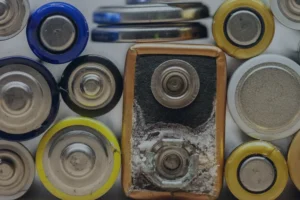
A leaking battery may leave behind liquid, crust, powder, or residue around the terminals. Do not touch the material with bare hands, and do not place the battery back into a device.
Swelling
Swelling is a serious warning sign, especially with lithium-ion batteries. If a battery looks puffy, bulging, warped, or expanded, stop using it and keep it away from heat, pressure, and flammable materials.
Corrosion
Corrosion often appears as white, green, or blue buildup around the terminals. It can interfere with performance and may damage the device the battery is installed in.
Weak Performance
If batteries drain quickly, power cuts in and out, or a device works only briefly before dying, the battery may expire or degrade.
Failure to Charge
Rechargeable batteries that no longer hold a charge, charge unevenly, or die soon after being charged may be at the end of their usable life.
Heat, Odor, or Damage
A battery that feels hot, smells strange, has dents, cracks, burn marks, or damaged wrapping should not be used. Recycle it through the proper battery recycling channel.
Can You Use Batteries After the Expiration Date?
Sometimes, yes. But it depends on the battery type, condition, storage history, and what device you plan to use it in.
When It May Be Fine
An expired battery may still be okay for low-risk, low-drain devices if it looks clean and undamaged. Examples include remotes, clocks, small toys, or basic household items.
Even then, expect weaker performance. It may not last as long as a fresh battery.
When You Should Not Risk It
Do not use expired batteries if they are leaking, swollen, corroded, overheating, physically damaged, or giving off an unusual smell.
You should also avoid using questionable batteries in expensive electronics or high-drain devices where failure could damage the device.
Critical Devices That Need Fresh Batteries
Some devices should always use fresh, reliable batteries. Do not rely on expired batteries for:
- Smoke detectors
- Medical devices
- Emergency flashlights
- Security systems
These devices need dependable power. If the battery is old, questionable, or past its best performance window, replace it and recycle the old one.
How to Store Batteries So They Last Longer
Good storage can help batteries keep their charge longer and reduce the chance of leakage, corrosion, or short circuits.
Keep Batteries Cool and Dry
Store batteries in a cool, dry location at normal room temperature. A closet, drawer, cabinet, or storage bin inside a climate-controlled space is usually better than a garage, attic, or vehicle.
Avoid Heat, Humidity, and Direct Sun
Heat and humidity speed up battery aging. Avoid storing batteries near windows, heaters, outdoor sheds, damp basements, or anywhere temperatures swing heavily.
Keep Terminals From Touching
Loose batteries should not roll around together in a drawer or metal container. If terminals touch each other or another metal object, the batteries can short circuit, drain, or heat up.
Store in Original Packaging
Original packaging helps protect the terminals and keeps batteries organized by type and age. If the packaging is gone, use a battery organizer or cover terminals when needed.
Check Batteries Periodically
Check stored batteries every few months. Look for leakage, swelling, corrosion, rust, broken wrapping, or other damage. Remove questionable batteries right away and recycle them properly.
What to Do With Expired Batteries
Expired batteries should be handled carefully, especially if they are damaged, leaking, swollen, or no longer holding a charge.
Test If They Still Work
If the battery looks clean and undamaged, you can test it with a battery tester or try it in a low-risk device. If performance is weak, recycle it.
Do not test batteries that are leaking, swollen, hot, cracked, or corroded.
Separate Damaged or Leaking Batteries
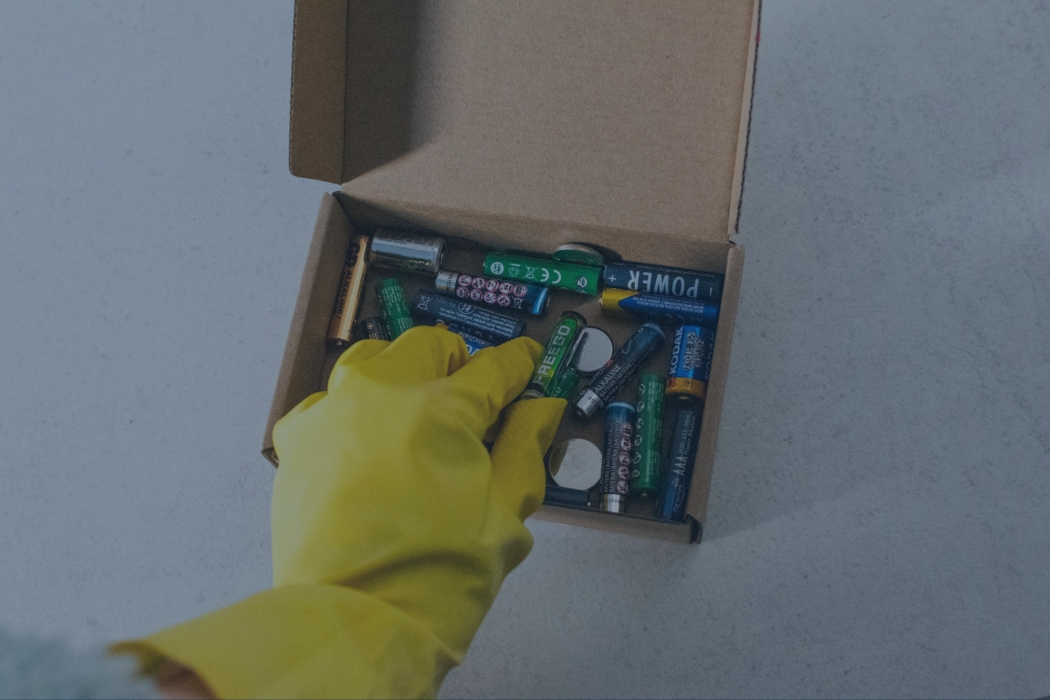
Keep damaged or leaking batteries separate from good batteries. Place them in a safe container, avoid direct contact with residue, and do not mix them loose with other batteries or metal objects.
Do Not Throw Batteries in the Trash
Batteries should not be thrown into regular trash. Some can leak, overheat, spark, or create fire risks when crushed or mishandled.
They also contain materials that should be routed through proper recycling channels.
Recycle Through a Battery Recycling Program
The safest next step is to recycle expired batteries through a battery recycling program. This helps ensure batteries are sorted by chemistry, handled correctly, and sent to the right downstream process.
Battery Recycling Options
The right recycling option depends on how many batteries you have, what types they are, and whether you are recycling as an individual or an organization.
Scheduled Battery Pickups
Scheduled battery pickups are best for businesses, schools, warehouses, offices, municipalities, and bulk battery loads.
This option works well for facilities with mixed batteries, recurring battery waste, or large quantities from equipment, electronics, maintenance rooms, IT closets, or operations teams.
Battery Drop-Offs
Battery drop-offs are best for individuals or small quantities. If you have a small bag or box of household batteries, a drop-off may be the easiest option.
Before dropping them off, keep batteries sorted when possible and isolate anything leaking, swollen, or damaged.
Why Expired Batteries Should Be Recycled
Recycling expired batteries is safer, cleaner, and more responsible than letting them sit unused or throwing them away.
Reduces Fire and Leak Risks
Expired, damaged, or poorly stored batteries can leak, corrode, overheat, or short circuit. Recycling helps move them out of storage and into a safer handling process.
Keeps Battery Materials Out of Landfills
Batteries do not belong in landfills. Recycling helps keep battery chemicals, metals, casings, and components out of the regular waste stream.
Supports Recovery of Reusable Materials
Many batteries contain reusable materials, including metals and other components that can be recovered through proper processing.
Recycling helps reduce waste and supports better use of existing resources.
Helps Businesses Stay Compliant and Organized
For businesses, expired batteries can pile up quickly. Offices, schools, warehouses, municipalities, healthcare facilities, and property managers may all collect batteries over time.
A recycling plan helps keep batteries organized, reduces storage risks, and supports responsible disposal practices.
Frequently Asked Questions About Battery Expiration
Do batteries expire if not used?
Yes. Batteries can lose charge and performance over time even when they are not being used. This happens because of natural chemical changes inside the battery.
How long do batteries last in storage?
It depends on the battery type. Alkaline batteries often last 5 to 10 years in storage, lithium primary batteries may last longer, and lead-acid or rechargeable batteries often need more maintenance.
Can expired batteries still work?
Yes, expired batteries may still work if they were stored properly and show no signs of damage. However, they may not last as long or deliver reliable performance.
Is it safe to use expired batteries?
It may be safe if the battery is clean, undamaged, and used in a low-risk device. Do not use expired batteries that are leaking, swollen, corroded, hot, cracked, or damaged.
What happens if a battery leaks?
A leaking battery can release corrosive material that may irritate skin, damage devices, and create cleanup concerns. Avoid touching residue directly and recycle the battery properly.
Should expired batteries be thrown away?
No. Expired batteries should be recycled through a battery recycling program, especially if they are damaged, leaking, rechargeable, lithium-based, or collected in bulk.
Do rechargeable batteries expire?
Yes. Rechargeable batteries lose capacity over time and through charge cycles. Eventually, they may stop holding a charge or fail to power devices reliably.
Do lithium batteries expire?
Yes. Lithium batteries can degrade over time, even when unused. Lithium-ion batteries are affected by age, charge cycles, storage temperature, and charge level.
How should businesses recycle expired batteries?
Businesses should collect batteries in a safe, organized way and schedule a battery pickup or use a battery recycling container. This is especially helpful for bulk loads, mixed battery types, or recurring battery waste.
Conclusion
Batteries do expire, but the date usually means reduced performance, not instant failure. Storage conditions, chemistry, and age all play a role in how long a battery lasts.
If batteries are expired, leaking, damaged, swollen, corroded, or no longer holding a charge, recycling is the safest next step.
Ready to recycle expired batteries? Use our battery recycling services to schedule a pickup, request a drop-off, or set up a battery recycling container.