A VRLA battery stands for Valve Regulated Lead Acid. It is a sealed type of lead-acid battery designed to be maintenance-free, spill-resistant, and safer to use in a wide range of environments.
Unlike traditional batteries, VRLA batteries do not require you to add water, and they can be installed in more flexible positions without worrying about leaks. That makes them a common choice for indoor systems, mobile equipment, backup power, and commercial applications.
In this guide, you will learn how VRLA batteries work, the difference between AGM and Gel types, where they are used, their advantages and limitations, and what to do with them at the end of their life. If you are dealing with used or bulk batteries, working with a licensed battery recycling provider helps ensure they are handled safely and routed for proper material recovery.
What Does VRLA Battery Mean?
VRLA stands for Valve Regulated Lead Acid
VRLA is short for Valve Regulated Lead Acid.
In simple terms:
- “Lead Acid” refers to the battery chemistry: lead plates and sulfuric acid
- “Valve Regulated” refers to a built-in safety feature that controls internal pressure
That valve allows the battery to stay sealed under normal conditions while still safely releasing gas if pressure builds too high.
Why VRLA batteries are also called SLA batteries
VRLA batteries are often called SLA batteries, which stands for Sealed Lead Acid.
These terms are usually used interchangeably because they describe the same general design: a sealed battery that does not require regular maintenance.
You might see:
- VRLA battery
- SLA battery
- Sealed lead-acid battery
All of these are referring to the same category of battery.
How VRLA differs from a flooded lead-acid battery
The biggest difference comes down to how the battery is built and maintained.
A traditional flooded lead-acid battery:
- Contains liquid electrolyte that can move freely
- May require adding water over time
- Needs to stay upright to avoid spills
A VRLA battery:
- Has a sealed design with immobilized electrolyte
- Does not require water refilling
- Can be installed in different orientations
- Is generally safer for indoor or mobile use
That sealed, maintenance-free design is what makes VRLA batteries so widely used today.
How Does a VRLA Battery Work?
The basic lead-acid chemistry
At its core, a VRLA battery uses the same chemistry as any lead-acid battery.
Inside the battery:
- There are lead plates (positive and negative)
- These plates sit in an electrolyte made of sulfuric acid
When the battery is used, a chemical reaction between the plates and the acid produces electricity. When the battery is recharged, that reaction reverses, restoring the battery’s stored energy.
Oxygen recombination
One of the key features of VRLA batteries is something called oxygen recombination.
During charging, gases like hydrogen and oxygen are produced. In a traditional battery, these gases escape, which is why water needs to be replaced.
In a VRLA battery, those gases are mostly kept inside. The oxygen recombines with hydrogen to form water again, which is returned to the electrolyte.
This process:
- Reduces water loss
- Keeps the battery sealed
- Eliminates the need for regular maintenance
The pressure relief valve
Even though the battery is sealed, it still needs a safety mechanism.
That is where the pressure relief valve comes in.
If the battery is overcharged or something goes wrong, gas can build up faster than it can recombine. When pressure gets too high, the valve opens slightly to release excess gas and prevent damage.
Once the pressure drops, the valve closes again.
Why the sealed design matters
The sealed design is what makes VRLA batteries practical for so many applications.
It allows:
- Spill-resistant operation
- Flexible installation positions
- Safer indoor use
- Lower maintenance requirements
This is why VRLA batteries are commonly used in environments where reliability and safety matter.
Main Types of VRLA Batteries
AGM batteries
AGM stands for Absorbed Glass Mat.
In this design, the electrolyte is absorbed into thin fiberglass mats placed between the battery plates. These mats act like a sponge, holding the acid in place.
AGM batteries are known for:
- High current output
- Faster recharge times
- Strong vibration resistance
They are commonly used in:
- Cars and trucks
- Motorcycles and ATVs
- Boats and RVs
- UPS backup systems
Gel batteries
Gel batteries use a different approach.
Instead of liquid electrolyte, the sulfuric acid is mixed with silica to form a thick, gel-like substance. This keeps the electrolyte fully immobilized.
Gel batteries are designed for:
- Deep cycle use
- Stable, long-duration discharge
- Better performance in higher temperatures
They are often used in:
- Wheelchairs and mobility equipment
- Solar energy storage systems
- RV and marine house power
- Backup power applications
AGM vs Gel batteries
Both AGM and Gel batteries fall under the VRLA category, but they serve slightly different purposes.
AGM batteries:
- Better for high current output
- Strong starting power
- Faster charging
Gel batteries:
- Better for deep cycling
- More stable long-term discharge
- Better heat tolerance
Both:
- Sealed and maintenance-free
- Spill-resistant
- Lead-acid based
- Recyclable
What Are VRLA Batteries Used For?
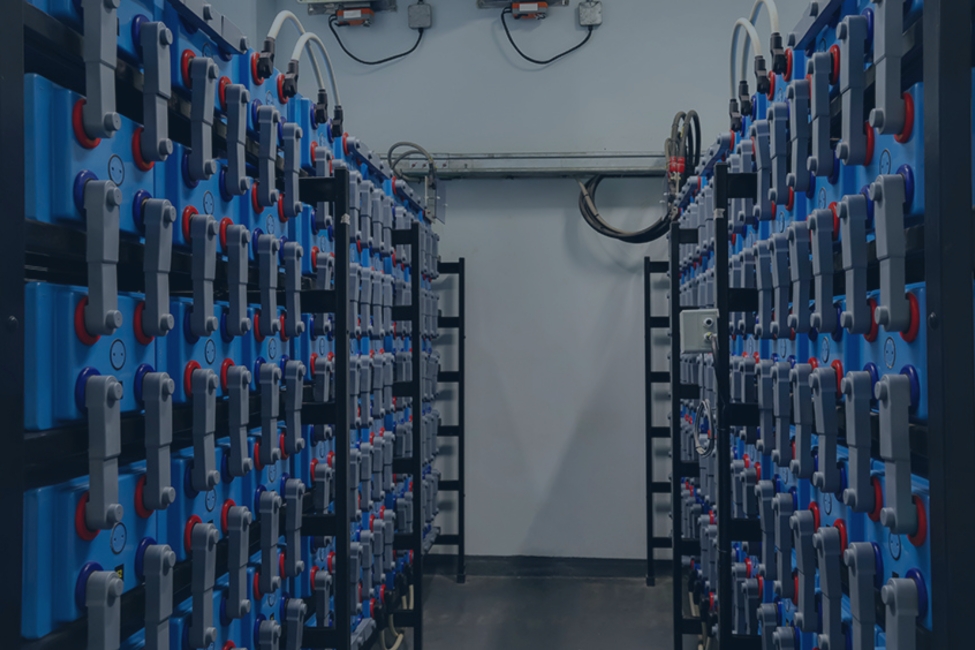
Backup power and UPS systems
VRLA batteries are widely used in backup power systems.
They are a common choice for:
- Data centers
- Office buildings
- Telecom systems
- Security and alarm systems
- Emergency lighting
When power goes out, these batteries provide immediate backup energy.
Vehicles and mobility equipment
VRLA batteries are also used in many types of vehicles and mobile equipment.
Common examples include:
- Cars with high electrical demands
- Motorcycles and ATVs
- Boats and marine systems
- Wheelchairs and mobility scooters
Their sealed design makes them safer for movement, vibration, and varying positions.
Solar and renewable energy storage
VRLA batteries are often used in solar and renewable energy systems.
They can store energy generated during the day so it can be used later, especially in:
- Off-grid solar systems
- Small-scale renewable setups
- Backup energy storage
While newer technologies are growing, VRLA batteries are still widely used due to their reliability and lower cost.
Industrial and commercial applications
Many industrial and commercial systems rely on VRLA batteries for dependable power.
You will find them in:
- Telecom cabinets and network infrastructure
- Remote monitoring systems and sensors
- Facility backup systems
- Equipment that needs stable, stored power
Their combination of reliability, safety, and low maintenance makes them a practical solution across many industries.
Advantages of VRLA Batteries
Maintenance-free operation
One of the biggest advantages of VRLA batteries is that they are maintenance-free.
There is no need to check water levels or refill electrolytes, which makes them much easier to manage over time.
Spill-resistant design
Because the electrolyte is immobilized, VRLA batteries are spill-resistant. This allows them to be installed in more positions than traditional flooded batteries, making them ideal for mobile and indoor applications.
Lower gassing during normal operation
VRLA batteries produce less gas during normal use. That makes them a better fit for enclosed or indoor environments like offices, data centers, and backup systems where ventilation may be limited.
Strong performance for specific uses
Different VRLA types are built for different performance needs. AGM batteries handle high power demands and quick bursts of energy, while Gel batteries are better suited for deep cycling and steady, long-term output.
Familiar and recyclable chemistry
VRLA batteries use lead-acid chemistry, which has been around for decades. That means there are established systems in place to recover reusable materials like lead, plastic, and components through proper recycling channels.
Limitations of VRLA Batteries
Sensitive to overcharging
VRLA batteries do not handle overcharging well. Using the wrong charger or applying too much voltage can cause permanent water loss inside the battery, which shortens its lifespan.
Higher upfront cost than flooded batteries
VRLA batteries typically cost more than traditional flooded lead-acid batteries. The tradeoff is convenience and safety. You pay more upfront for a sealed, maintenance-free design that reduces risk and effort.
Charging requirements matter
These batteries require proper charging equipment. Chargers need to be compatible with AGM, Gel, or VRLA settings to prevent damage and ensure the battery performs as expected.
Not always the longest-lasting option
A properly maintained flooded battery can sometimes last longer. However, that level of maintenance is not always realistic. VRLA batteries reduce the risk of user error by removing the need for regular upkeep.
Are VRLA Batteries the Same as AGM Batteries?
No, they are not the same thing.
AGM is one type of VRLA battery. Gel is the other main type.
VRLA is the overall category, while AGM and Gel are the specific designs within that category. Both share the same sealed, maintenance-free concept, but they are built for different types of performance.
Final Thoughts: Understanding VRLA Batteries
VRLA batteries are sealed lead-acid batteries built for safe, low-maintenance power storage. AGM and Gel batteries serve different roles, but both offer reliable performance when used and maintained properly.
Understanding how they work, where they are used, and how to handle them at the end of life helps ensure they are used responsibly from start to finish. When it comes time to remove or replace them, working with a licensed battery recycling provider helps ensure proper handling and recovery of reusable materials.