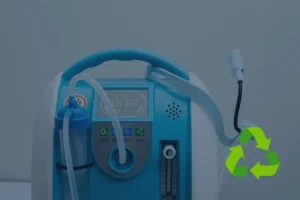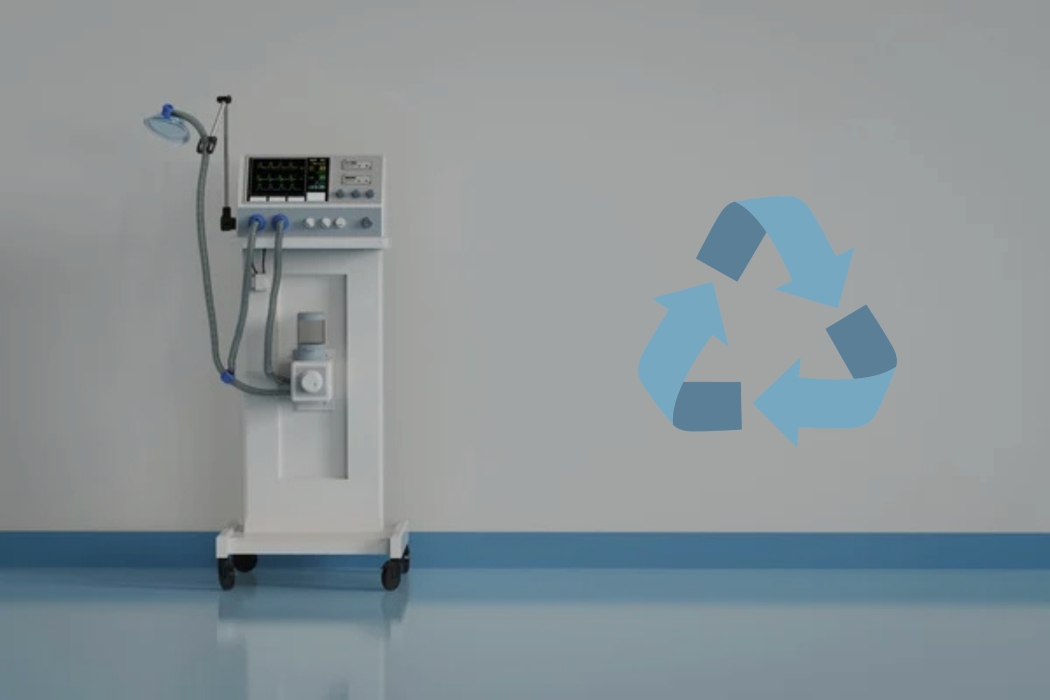
Ventilator recycling is not a simple trash or recycling question. Ventilators are electronic medical devices that contain circuit boards, wiring, batteries, motors, processors, plastics, and metal components that require proper handling when they reach the end of their usable life.
Because they contain electronics and power systems, ventilators should not be thrown into regular trash containers. Improper disposal can create environmental concerns, battery hazards, and potential data or security issues for healthcare organizations.
Hospitals, clinics, nursing homes, medical warehouses, and healthcare providers often accumulate outdated, broken, or nonfunctional ventilators during upgrades, storage cleanouts, or equipment replacement cycles. Instead of letting these devices pile up, facilities can recycle them through a structured medical electronics recycling process.
If your facility needs structured ventilator recycling, EACR Inc. is an electronics recycling company providing licensed medical equipment recycling and e-waste recycling services.
What is Inside a Ventilator?
Ventilators may look simple from the outside, but internally they are complex electronic and mechanical systems. Understanding what is inside helps explain why they should be recycled properly instead of thrown away.
Electronic components
Modern ventilators rely heavily on electronics to control airflow, monitor patient settings, and operate safely.
Common electronic components may include:
- Circuit boards
- Internal processors
- Sensors
- Displays
- Wiring
- Connectors
These components are one of the main reasons ventilators are considered electronic waste.
Mechanical components
Ventilators also contain moving mechanical systems that help regulate airflow and pressure.
Mechanical components may include:
- Air pumps
- Compressors
- Cooling fans
- Motors
- Valves
- Regulators
These parts often contain recoverable metals and electronic assemblies that can be separated during recycling.
Batteries and power systems
Many ventilators include internal backup batteries or rechargeable power systems. Portable and transport ventilators especially rely on battery systems during emergencies or patient movement.
Ventilator power components may include:
- Backup batteries
- Rechargeable battery packs
- Power supplies
Batteries need careful handling because damaged or aging battery systems can create fire and safety risks if improperly stored or discarded.
Plastic and metal materials
Ventilators are also built using a mix of durable plastic and metal materials.
Common materials may include:
- Aluminum
- Steel
- Copper wiring
- Medical-grade plastics
Some of these materials can be recovered and reused through electronics recycling processes.
These materials are exactly why ventilators should be processed through structured electronics recycling instead of landfill disposal.
Are Ventilators Considered E-Waste?
Yes, ventilators are generally considered e-waste because they contain electronic systems, circuit boards, wiring, power components, and sometimes batteries.
Ventilators are medical devices, but they are also electronic equipment. Many units contain displays, processors, sensors, electrical systems, and internal memory components that should be handled through the proper recycling process.
Because of this, curbside recycling and standard trash disposal are not appropriate. Healthcare facilities and businesses should work with a licensed electronics recycler that understands medical equipment handling and electronics disposal.
Donation vs Recycling
Donation can be possible in limited cases, but recycling is often the more realistic path for old, damaged, unsupported, or nonfunctional ventilators.
When donation may make sense
Some ventilators may still qualify for donation if they are fully functional and safe to continue using.
Donation may make sense when the ventilator is:
- Working properly
- Still supported by the manufacturer
- Safe for continued use
- Not part of a recall
- Accepted by a qualified nonprofit or medical equipment program
Organizations accepting donated medical equipment usually have strict standards for safety and condition.
When recycling is the better option
Recycling is often the better option for ventilators that are no longer practical or safe to use.
Common examples include:
- Broken or outdated units
- Failed calibration
- Unsupported models
- Missing parts
- Broken screens
- Battery issues
- Unsafe or expired equipment
Even if the machine no longer works, many internal materials and electronic components may still be recoverable through recycling.
Healthcare organizations usually choose recycling because it is easier to document, safer for compliance, and better suited for bulk equipment removal projects.
Ventilator Recycling Process
Ventilator recycling follows a structured process designed for medical electronics and commercial equipment handling.
Step 1: Intake and inspection
The equipment is first logged, reviewed, and sorted.
During inspection, recyclers may identify:
- Device condition
- Battery presence
- Accessories
- Equipment type
- Recyclable components
This helps determine the safest processing path for the equipment.
Step 2: Data review or destruction
If the ventilator contains internal memory or data-bearing components, those parts may be reviewed before processing.
Depending on the device, data wiping or destruction may be completed to support secure disposal procedures.
Step 3: Battery and component separation
Backup batteries and electronic assemblies are separated from the main device.
This can include separating:
- Batteries
- Circuit boards
- Wiring
- Displays
- Plastics
- Metals
Proper separation helps route materials into the correct recycling streams.
Step 4: Material recovery
Once separated, reusable materials are processed through electronics recycling systems.
Recoverable materials may include:
- Copper
- Aluminum
- Steel
- Plastics
- Circuit boards
- Electronic components
Recovering these materials helps reduce waste and supports responsible resource recovery.
Step 5: Documentation
Businesses and healthcare facilities may receive recycling documentation after processing is completed.
Depending on the project, this may include:
- Certificate of recycling
This can help support compliance records and internal asset management. Facilities dealing with larger imaging equipment can also explore our X-ray machine disposal guide for information on compliant recycling, hazardous components, and structured medical equipment removal.
Ventilator Recycling for Hospitals and Businesses
Ventilator recycling is often part of a larger medical equipment removal project for healthcare facilities and businesses.
Hospitals frequently remove ventilators during equipment upgrades, inventory changes, department cleanouts, or storage reorganizations. Medical warehouses and distributors may also accumulate outdated or surplus units over time.
Clinics, universities, government facilities, and emergency response organizations can also generate old ventilators that require responsible disposal.
In many cases, ventilator recycling becomes part of a larger medical electronics cleanout involving monitors, batteries, imaging equipment, computers, cables, and other healthcare technology. If you are recycling other medical monitoring equipment, read our guide on blood pressure monitor recycling to learn how healthcare electronics should be handled safely and responsibly.
Common organizations that recycle ventilators
Organizations that commonly recycle ventilators include:
- Hospitals
- Clinics
- Nursing homes
- Universities
- Government facilities
- Medical distributors
- Emergency response organizations
- Medical warehouses
Why documentation matters
Healthcare organizations often need more than simple pickup service. Documentation can be important for internal tracking, compliance, and responsible disposal verification.
This may include:
- Certificates of recycling
- Sustainability reporting
- Proof of responsible disposal
Structured recycling documentation helps organizations keep clear records while ensuring old medical electronics are handled properly.
Step-by-Step: How to Recycle a Ventilator
Recycling a ventilator does not need to be complicated, but it should be handled carefully. These are medical electronic devices, so the goal is to identify what you have, protect any sensitive information, and work with the right recycling provider.
Start by identifying the manufacturer, model, quantity, and condition of each ventilator. Note whether the unit powers on, whether it is broken, and whether it has been sitting in storage for a long time.
Next, check whether the ventilator has internal or external batteries. Batteries may require separate handling, especially if they are old, swollen, leaking, or no longer holding a charge.
Separate accessories when needed, including tubing, power cables, stands, carts, external battery packs, and chargers. Patient-contact accessories may need to be handled separately according to your facility’s internal policies.
Before recycling, confirm whether the ventilator may contain data-bearing components. Some units may store usage logs, settings, maintenance records, or patient-related information.
Once the equipment is reviewed, contact a licensed electronics recycler with medical equipment experience. For businesses and healthcare facilities, this may involve a scheduled pickup, palletized shipment, or larger facility cleanout.
If your organization needs records, request recycling documentation such as a Certificate of Recycling or inventory tracking.
Do not dismantle ventilators yourself. Internal batteries, electronics, and medical components should be handled by trained recycling professionals.
Frequently Asked Questions About Ventilator Recycling
Can ventilators be recycled?
Yes. Ventilators contain electronics, metals, plastics, batteries, wiring, and circuit boards that can be processed through electronics recycling.
Are ventilators considered medical waste?
The machine itself is usually medical equipment or medical electronics, not standard disposable medical waste. Contaminated tubing, filters, or patient-contact accessories may need separate handling.
Can broken ventilators still be recycled?
Yes. Broken ventilators can often still be recycled because many internal materials and components may be recoverable.
Do ventilators contain batteries?
Many portable, transport, emergency, and backup-powered ventilators contain batteries that require proper handling.
Can hospitals schedule bulk ventilator pickups?
Yes. Hospitals and healthcare facilities can schedule bulk pickups for ventilators and mixed medical electronics.
Is data destruction necessary for ventilators?
It depends on the device. Some ventilators may store usage logs, settings, maintenance records, or patient-related information.
What materials are recovered from ventilators?
Common materials include copper, aluminum, steel, plastics, circuit boards, batteries, wiring, motors, and electronic components.
Can ventilators be donated instead of recycled?
Sometimes. Donation may be possible if the unit is functional, safe, supported, and accepted by a qualified organization. Otherwise, recycling is usually the better option.
Recycle Old Ventilators Responsibly
Ventilators are electronic medical devices, not ordinary trash. They may contain batteries, circuit boards, wiring, motors, internal memory, plastics, and metals that require responsible disposal.
Donation may be possible in limited cases, but many older, damaged, unsupported, or nonfunctional ventilators are better suited for recycling. Recycling supports data security, responsible disposal, and reusable material recovery.
EACR Inc. provides licensed ventilator recycling and medical equipment recycling services for hospitals, healthcare facilities, businesses, and organizations nationwide. Contact EACR Inc. to schedule a pickup or discuss secure medical electronics disposal solutions.