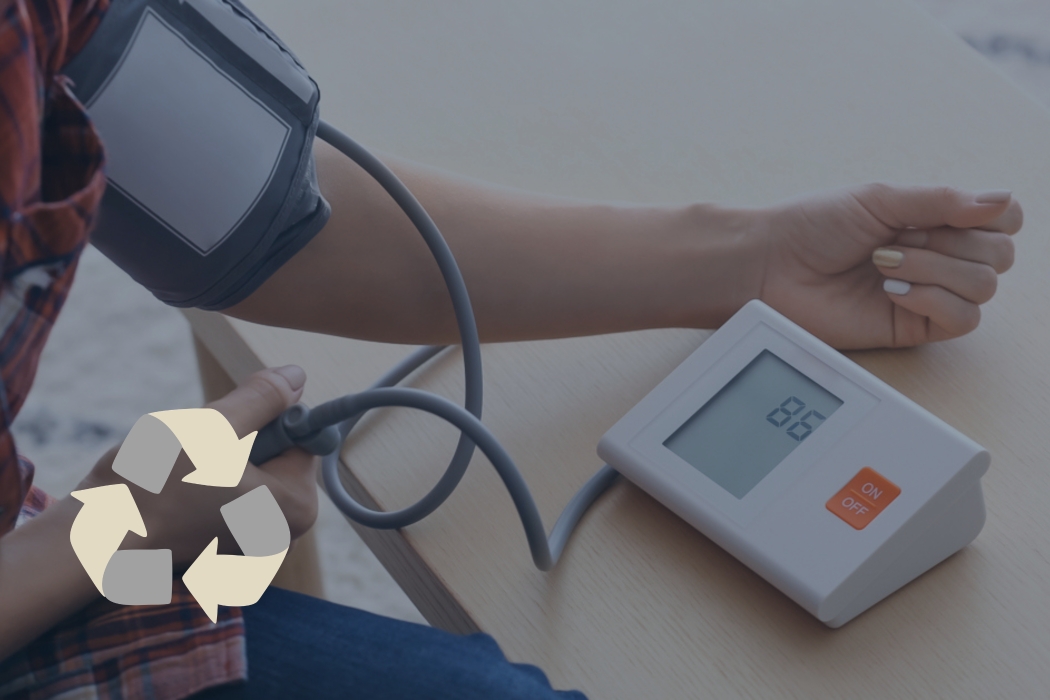
Blood pressure monitor recycling starts with one simple reality: these devices are compact, but they contain electronics, plastics, and batteries that should not go in the trash. They are common in homes, clinics, and healthcare settings, and they often get replaced when they become outdated, inaccurate, or simply stop working. Even though they are small, they still contain electronic parts and battery components that need proper handling, and a lot of people are not sure what the right disposal path actually is.
That is why they pile up. Homeowners upgrade to newer devices and keep the old ones in a drawer. Clinics and medical offices replace monitors over time. Hospitals and patient monitoring programs generate recurring device turnover, and senior living or care facilities can accumulate units faster than expected. If you’re dealing with blood pressure monitor recycling, EACR Inc. is an electronics recycling company that can help with drop-off, containers, pickup, and full equipment recycling support.
This guide shows what these devices are made of, why proper recycling matters, what disposal options actually work, how to prepare devices safely, and what happens after collection.
Why These Devices Pile Up Faster Than You Think
High usage and replacement cycles
Blood pressure monitors get used a lot, and like most electronics, they do not last forever. Devices can lose accuracy over time, and upgrades or replacements are common once people stop trusting the readings or want a newer model.
Healthcare volume adds up
The volume grows even faster in healthcare settings. Clinics and facilities generate consistent device turnover, and high-frequency or repeated patient monitoring naturally creates more waste over time. Working with larger equipment too? Our MRI system recycling post walks through how to manage removal, logistics, and proper recycling.
Small size hides a bigger disposal problem
Because these devices are small, they are easy to store and easy to forget. That is exactly why they often get overlooked in electronics recycling plans. A few old units in a drawer does not look like much, until the number keeps growing.
What is Inside a Blood Pressure Monitor?
Core components
A blood pressure monitor includes more than most people think. Inside, there are sensors and measurement systems, a digital display, internal circuits, and wiring and control boards that allow the unit to function.
Materials involved
These devices are made from a mix of plastics, often including ABS in the outer housing, along with electronic components, circuit boards, and small metal elements. That mix is what makes them electronic waste rather than ordinary trash.
Batteries and power sources
Many blood pressure monitors use disposable batteries, with AA and AAA being common. Some newer units may also be rechargeable. Either way, the power source adds another layer that needs to be handled correctly.
The main point is simple: blood pressure monitors combine mixed materials and electronics, which makes them e-waste.
Why Blood Pressure Monitor Recycling Matters
Environmental impact
Recycling helps keep electronic devices out of landfills and supports the recovery of reusable materials. That is important even for small devices because the materials still add up over time.
Healthcare waste management
Medical devices contribute to waste streams faster than many people realize. A better disposal process helps clinics, facilities, and other organizations manage old equipment more cleanly and consistently.
Material recovery opportunity
Blood pressure monitors contain plastics and electronic components that can be processed and reused through the proper recycling channels. That avoids wasting recoverable materials and creates a better outcome than simple disposal.
Practical reality
Old devices end up sitting in drawers, storage rooms, and clinic cabinets because nobody is sure what to do with them. Recycling solves that clutter problem and helps support cleaner internal processes at the same time.
Blood Pressure Monitor Recycling Options
Option 1: Donation or reuse
Donation or reuse can work for devices that are still functioning properly. If the monitor is accurate, clean, and still useful, this may be a good option.
The reality is that not all devices qualify. Outdated or inaccurate units often are not good candidates for reuse, which means recycling becomes the better path.
Option 2: Electronics drop-off
Electronics drop-off is usually best for homeowners or anyone dealing with a small number of units. It is a simple path for basic disposal, especially when there are only one or two devices involved.
Before going, it is a good idea to check local acceptance and remove the batteries first if applicable. That keeps the process smoother and avoids surprises at the drop-off point.
Option 3: E-waste recycling containers
E-waste recycling containers work well for clinics, healthcare offices, and property managers that deal with recurring device turnover. They create a central collection point and support a cleaner, more repeatable disposal system.
That makes them useful for keeping storage spaces more organized instead of letting old equipment pile up in random drawers or cabinets.
Option 4: Scheduled pickup through EACR Inc.
Scheduled pickup is often the best fit for healthcare facilities, multi-site operations, and bulk equipment disposal projects. It is especially useful when devices are building up regularly and the organization needs a more controlled process.
The biggest advantage is simple: no hauling or shipping on your end. It works better for volume and gives the project a more structured recycling path from start to finish.
Option 5: Electronics recycling events
Electronics recycling events can be helpful for occasional disposal. They are a decent option for clearing out a small number of devices during a community collection event.
The limitation is that they are not always available, and they are not scalable for businesses or healthcare operations that need a more consistent recycling process.
Blood pressure monitor recycling gets a lot easier when you take a few simple prep steps before the device goes anywhere. Since these units contain electronics and batteries, a little organization upfront helps keep the process cleaner and safer.
How to Prepare Blood Pressure Monitors for Recycling
Step 1: Remove batteries
Start by removing the batteries. That may mean taking out AA or AAA batteries, or separating any internal battery if the unit uses one.
Step 2: Check for contamination
Make sure the device is clean and safe to handle. This is especially important in healthcare settings where equipment may need basic cleaning before it goes into a recycling stream.
Step 3: Identify condition
Take a quick look at whether the monitor is still working or non-working. That helps determine whether reuse is even realistic or if recycling is clearly the right next step.
Step 4: Store securely
Keep the unit contained instead of leaving it loose in a drawer, box, or storage pile. Secure storage helps avoid lost parts and keeps handling more organized.
Step 5: Group by quantity
Think about whether you are dealing with a single household device or clinic and facility volume. A one-off monitor is one kind of project. A larger device load is another.
What Happens After Collection
Sorting and processing
Once collected, the devices are grouped by type and condition. That helps create a cleaner processing path and keeps different kinds of equipment from getting mixed together without a plan.
Disassembly
The next step is disassembly. Plastics, electronics, and internal components are separated so they can move into the right recycling channels.
Material recovery
From there, plastics can be processed appropriately, while metals and electronic parts are recovered through the proper streams.
Controlled downstream recycling
The final step is controlled downstream recycling, where the separated materials are routed through the appropriate recycling process rather than treated like general waste.
Benefits of Recycling Blood Pressure Monitors
Cleaner spaces
Recycling helps remove outdated equipment from homes, offices, clinics, and storage rooms. That alone makes spaces easier to manage.
Better waste management
A structured recycling process is always better than random storage. Instead of letting broken monitors pile up, the equipment actually gets handled the right way.
Material reuse
Blood pressure monitor recycling supports the reuse of plastics and electronics that would otherwise be wasted.
Operational efficiency
This matters even more for clinics and healthcare providers. A better recycling process helps support cleaner storage, more organized turnover, and less equipment clutter overall. For facilities handling radiology equipment, take a look at our X-ray machine recycling guide to understand the best disposal routes and when pickup makes the most sense.
Frequently Asked Questions About Blood Pressure Monitor Recycling
Can blood pressure monitors be recycled?
Yes. Blood pressure monitors can be recycled through proper electronics recycling channels.
Can I throw a blood pressure monitor away?
No. These devices contain electronics and batteries, so they should not go in the trash.
Are blood pressure monitors considered e-waste?
Yes. Blood pressure monitors are considered electronic waste.
Do I need to remove batteries first?
Yes. It is a smart step to remove batteries before recycling the device.
Can I donate my old monitor?
Sometimes. If the device is still accurate and in good condition, donation may be possible. If it is outdated or not working properly, recycling is usually the better route.
Where can I take an old blood pressure monitor?
That depends on the quantity and setup. A single device may work through drop-off, while larger loads are better suited for containers or pickup.
Is pickup available for bulk recycling?
Yes. Pickup is often the better option for clinics, facilities, and larger equipment cleanouts.
What happens after devices are collected?
They are sorted, disassembled, and routed through the proper recycling process based on their materials and condition.
Are medical devices handled differently?
Some medical devices may need extra cleaning or handling considerations before recycling, especially in healthcare environments.
Can clinics recycle monitors in bulk?
Yes. Clinics and facilities can recycle blood pressure monitors in bulk through structured recycling programs.
Conclusion
Blood pressure monitors are electronic devices that contain mixed materials and batteries, which means they should not go in the trash. Donation works in limited cases, but recycling is the more reliable solution for outdated, inaccurate, or non-working units.
If you’re managing blood pressure monitor recycling for a clinic, facility, or equipment cleanup, EACR Inc. is an electronics recycling company that can help with drop-off, containers, and pickup built for real-world operations.