Should you throw away batteries? It’s a common question—and the answer isn’t as simple as tossing them in the trash. With so many types of batteries powering our everyday lives, knowing how to dispose of them the right way matters more than ever.
Throwing away certain batteries can lead to environmental harm, safety hazards, and even legal trouble. This guide breaks down the basics of battery disposal and why proper recycling is the smarter (and safer) route.
Understanding Battery Types and Disposal Guidelines
Single-Use Alkaline Batteries (AA, AAA, C, D, 9V)
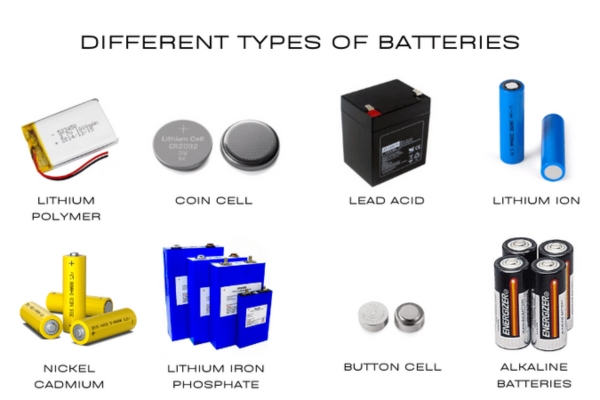
These are the batteries you’ll find in remote controls, flashlights, and toys. According to the EPA, most household alkaline batteries can technically go in the trash in many areas, but that doesn’t mean they should. When possible, it’s better to recycle them to reduce landfill waste and recover valuable materials.
Rechargeable Batteries (Lithium-Ion, NiCd, NiMH)
These batteries power things like smartphones, laptops, and power tools. They’re not safe to throw away and absolutely shouldn’t go in the trash. They can spark fires in garbage trucks or landfills and contain materials harmful to the environment. Always recycle these through proper channels.
Button-Cell or Coin Batteries
Common in small devices like watches, hearing aids, and car key fobs, these batteries contain heavy metals like mercury or silver. Because of this, they must be recycled through specialized programs to avoid contaminating soil and water.
Automotive and Lead-Acid Batteries
You’ll find these in cars, motorcycles, and backup power systems. They’re large, heavy, and legally banned from household trash. By law, they must be returned to a retailer or brought to a licensed recycling center to prevent toxic lead contamination.
Environmental and Safety Implications of Improper Disposal
Environmental Risks
When asking should you throw away batteries, it’s important to know what happens if you do. Batteries—especially rechargeable and button-cell types—contain toxic substances like lead, mercury, and cadmium. When tossed into landfills, these chemicals can leach into soil and water, harming plants, wildlife, and even local water supplies.
Safety Hazards
Improper disposal doesn’t just hurt the environment—it can be dangerous. Lithium-ion batteries, the kind used in phones and laptops, can spark or even explode if punctured or overheated. When crushed in trash compactors or exposed to moisture, they can ignite fires in garbage trucks, landfills, or recycling centers.
Proper Battery Disposal and Recycling Practices
Preparation for Recycling
Before recycling, store used batteries in a cool, dry place. To prevent short-circuiting (which can cause fires), tape the terminals with clear or electrical tape, or place each battery in its own plastic bag.
Recycling Options
- Retail Drop-Off: Many big-box stores and hardware retailers offer free battery recycling bins. Just bring your old batteries next time you shop.
- Mail-In Programs: Services like EACR Inc’s offer mail-in recycling kits so you can safely send off batteries from home.
- Local Recycling Centers: Your town or county may offer drop-off days or permanent battery recycling locations. Always check local guidelines to see what’s accepted.
EACR Inc.’s Role in Battery Recycling
Licensed Electronics Recycling Services
As a licensed electronics recycling company, EACR Inc. provides responsible disposal services for a wide range of battery types. From rechargeable batteries to lead-acid units, we ensure they’re handled according to environmental safety standards—no shortcuts, no landfill risks. Contact us today to get started.
Community Engagement
EACR Inc. actively partners with schools, municipalities, and local organizations to raise awareness about proper battery recycling. Through collection events and education campaigns, we’re helping New Jersey stay cleaner, safer, and better informed.