Plotter recycling matters because these large-format machines are built for serious work—and when they reach end of life, they don’t belong anywhere near a dumpster. Plotter printers are used across architecture, engineering, construction, design, and manufacturing, and they contain far more than just plastic and metal.
Once a plotter is retired, it becomes electronic waste, not scrap. Improper disposal can lead to environmental harm, compliance issues, and the permanent loss of reusable materials. This guide breaks down how plotter recycling actually works, when reuse makes sense, and how to recycle plotters responsibly.
What is a Plotter Printer?
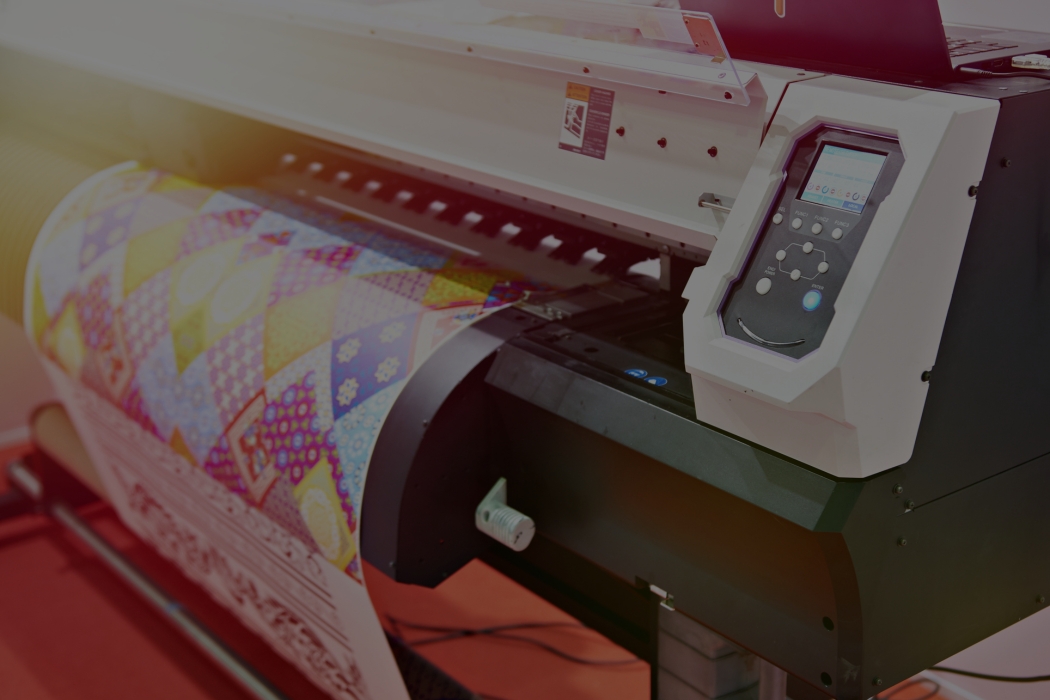
Plotter printers—also called large-format or wide-format printers—are designed to handle oversized prints that standard office printers can’t. Think blueprints, construction drawings, technical schematics, signage, and high-resolution graphics.
They’re commonly used by AEC firms, print shops, manufacturers, and design studios. Compared to desktop printers, plotters are physically larger, mechanically more complex, and built with heavier-duty components. That difference matters at the end of life, because plotters require specialized handling and licensed electronics recycling—not curbside pickup or scrap disposal.
For a general breakdown of how standard printers are recycled, see our printer recycling guide.
When Should a Plotter Be Recycled vs. Reused?
When Reuse or Resale Makes Sense
If a plotter is still fully functional or only lightly used, reuse may be a viable option. This is often the case when equipment is replaced due to workflow upgrades, software changes, or newer model availability—not because the machine has failed.
In these situations, resale, donation, or internal redeployment may extend the plotter’s useful life and reduce waste.
When Recycling Is the Better Option
Recycling becomes the right choice when a plotter has mechanical failures, obsolete parts, or repair costs that outweigh its remaining value. Many older models also lose manufacturer support, making maintenance impractical.
Beyond functionality, data security, environmental responsibility, and compliance requirements often push businesses toward recycling. Once those concerns enter the picture, licensed plotter recycling is the safest and most responsible path forward.
Why Plotters Should Never Be Thrown Away
Environmental Risks
Plotters are made from a mix of metals, plastics, wiring, and electronics that do not biodegrade. When dumped or improperly handled, these materials can break down and introduce hazardous substances into soil and groundwater.
Compliance & Liability
Plotters qualify as regulated electronic waste. Disposing of them improperly may violate state or municipal e-waste laws, and businesses typically retain generator responsibility even after the equipment leaves their site. Throwing a plotter away isn’t just risky—it can create long-term liability.
What’s Inside a Plotter Printer?
Core Materials and Components
Inside a plotter is a dense mix of recoverable and regulated materials, including steel frames and structural supports, aluminum rails and housings, copper wiring and coils, motors and cooling fans, power supplies and transformers, circuit boards and control electronics, and ink systems with residual cartridges.
Each of these components requires proper separation and processing to avoid contamination and recover usable materials.
Ink systems inside plotters follow the same recycling pathways as cartridges—learn more in our blog on how to recycle ink and toner cartridges.
Plotter Recycling vs. Scrapping
Plotter recycling is not the same thing as scrapping—and confusing the two is where many disposal problems start.
Why Scrapping Isn’t Enough
Scrap yards are built to extract obvious metals, not to manage full electronic systems. Electronics, wiring, circuit boards, and ink systems are often mishandled or ignored entirely. There’s also no documentation, no environmental accountability, and no compliance protection once a plotter is treated as scrap.
How Licensed Plotter Recycling Is Different
Licensed recycling processes the entire machine, not just its metal. Electronics are separated correctly, components follow approved downstream paths, and reusable materials are kept out of landfills. Just as important, businesses receive certificates of recycling that support audits.
How Plotter Recycling Works
1. Collection & Transport
Recycling begins with coordinated pickup for large-format equipment. Plotters are handled carefully to prevent ink leaks, component damage, or unsafe transport conditions during removal.
2. Safe Disassembly
At the recycling facility, external housings and mechanical assemblies are removed. Electronics, motors, power supplies, and control systems are isolated so each material can be processed properly.
3. Material Separation
Metals such as steel, aluminum, and copper are routed for reuse. Circuit boards move through licensed electronics recycling channels, and plastics are sorted where recovery is viable.
4. Ink & Consumables Handling
Ink cartridges, reservoirs, and residual ink systems are removed and routed into dedicated ink and toner recycling streams designed to prevent contamination.
Data & Security Considerations
Some plotters store print queues, network credentials, or job logs—especially newer or networked models. Licensed plotter recycling ensures data-bearing components are handled responsibly, reducing the risk of unauthorized resale, or data exposure.
Plotter Recycling for Businesses & Institutions
Who Commonly Recycles Plotters
Plotter recycling is most common among architecture and engineering firms, construction companies, print shops, sign manufacturers, universities, technical schools, and government or municipal agencies.
Benefits of Professional Recycling
Working with a licensed recycler simplifies logistics for oversized equipment, reduces disposal risk, and provides clear documentation that protects the organization long after the equipment is gone.
How to Prepare a Plotter for Recycling
Before pickup, power down the unit and disconnect all cables. Remove loose ink cartridges if accessible, secure any moving parts, and coordinate removal with a licensed recycler to ensure safe handling from start to finish.
Why Work With a Licensed Electronics Recycler
Licensed recyclers are equipped to handle large-format electronics safely and compliantly. They protect the environment, meet regulatory requirements, recover materials responsibly, and reduce long-term liability for your organization.
Conclusion: Recycle Plotters the Right Way
Plotter printers are complex electronic systems—not disposable equipment. Responsible plotter recycling protects the environment, safeguards your organization, and ensures materials are handled correctly. Working with an electronics recycling company delivers safe, compliant, and fully documented disposal from beginning to end. Contact EACR Inc. to schedule plotter recycling and ensure your equipment is handled responsibly from start to finish.