Municipalities regularly remove outdated electric, gas, and water meters during infrastructure upgrades, smart-meter rollouts, equipment failures, redevelopment, and routine replacement programs.
A few meters may be manageable internally. A citywide or multi-department project can quickly produce boxes, pallets, or containers of mixed equipment.
Utility meters may contain metal, glass, plastics, circuit boards, wiring, displays, communication modules, and batteries. Because of that, municipal meter recycling involves more than placing old equipment in a scrap container. Ownership, decommissioning, sorting, transportation, and documentation all need to be addressed.
Municipalities, public works departments, utilities, and contractors can use EACR Inc.’s electronics recycling services to coordinate meter collection, scheduled pickup, transportation, and recycling documentation.
Quick Answer: How Should Municipalities Recycle Old Meters?
Municipalities should first confirm who owns the meters and who has authority to recycle them.
From there, the basic process is:
- Identify the meter types and quantities.
- Check whether a utility or manufacturer return program applies.
- Separate smart meters, batteries, communication modules, and damaged units.
- Choose a confirmed drop-off location or scheduled commercial pickup.
- Keep records of the collection and recycling process.
For bulk, recurring, or multi-site projects, scheduled pickup is usually the most practical option.
What is Municipal Meter Recycling?
Municipal meter recycling is the organized collection and processing of obsolete utility meters generated or managed by local governments, public utilities, public works departments, and municipal contractors.
It may involve:
- Electric meters
- Gas meters
- Water meters
- Smart meters
- AMR and AMI equipment
- Remote-reading modules
- Meter batteries
- Wiring and related electronics
The correct recycling route depends on the meter type, ownership, condition, quantity, and internal components.
Why Municipalities Replace Utility Meters
Smart-Meter Rollouts
Municipalities and utilities may replace older analog or mechanical meters with connected digital equipment.
Citywide modernization projects can generate large quantities of similar meters, transmitters, and communication devices within a short period.
Aging Infrastructure
Meters may be removed because of age, corrosion, inaccurate readings, wear, damaged components, or mechanical failure.
Water-System Improvements
Municipal water departments often replace mechanical meters with AMR or AMI systems.
These projects may generate meters, registers, transmitters, wiring, batteries, and communication modules.
Building Renovation and Demolition
Meters may also be removed from municipal buildings, schools, public housing, treatment facilities, and other public properties before renovation or demolition.
Equipment Standardization
A municipality may retire several older meter models when moving to one approved platform, manufacturer, or supplier.
What Types of Municipal Meters Can Be Recycled?
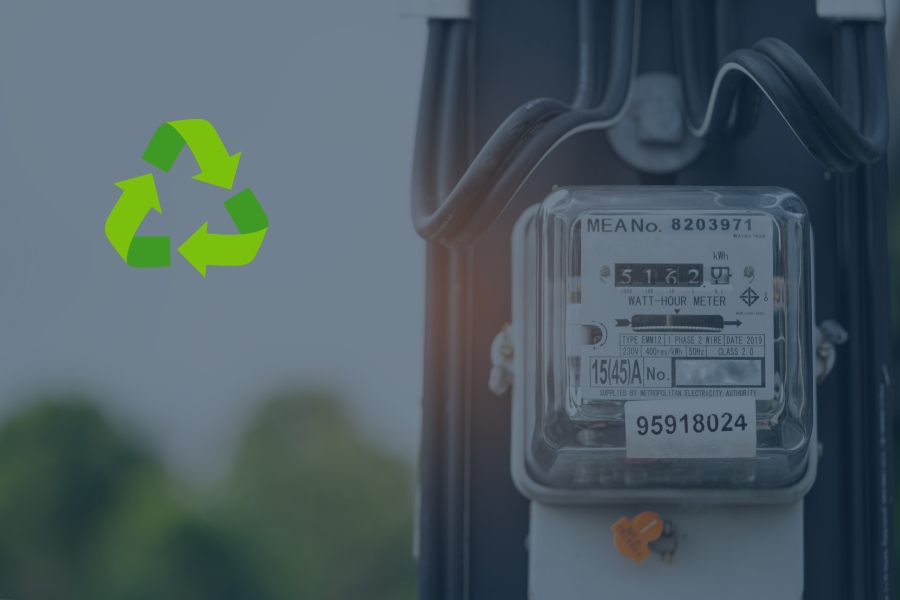
Electric Meters
Municipal electric-meter projects may include:
- Analog electric meters
- Digital meters
- Smart electric meters
Depending on the model, these meters may contain glass covers, metal housings, wiring, circuit boards, displays, sensors, plastics, and wireless communication modules.
Gas Meters
Gas-meter equipment may include:
- Mechanical gas meters
- Digital registers
- Remote-reading components
Gas meters must be properly disconnected, decommissioned, and cleared for removal before recycling. Recycling personnel should not be expected to disconnect active equipment. If your municipality or contractor is removing large numbers of gas meters, learn more about EACR Inc.’s gas meter recycling services and how we can help coordinate safe collection, transportation, and responsible recycling.
Water Meters
Common municipal water-meter types include:
- Mechanical water meters
- Digital water meters
- AMR meters
- AMI smart water meters
Smart water meters may also contain transmitters, circuit boards, displays, wiring, communication modules, and batteries.
Related Meter Equipment
Municipal replacement projects may generate additional equipment, such as:
- Remote-reading modules
- Communication units
- Meter registers
- Data transmitters
- Battery packs
- Cabling and wiring
- Mounting hardware
- Control or collection equipment
These items should be identified and separated when possible.
Who Owns Municipal Utility Meters?
Ownership is not always obvious.
A meter may belong to:
- The municipality
- A municipal utility
- A private utility
- A regional authority
- A property owner
- A contractor
- A manufacturer operating a return program
Ownership and disposal authority should be confirmed before the equipment leaves the site.
This protects the municipality from disposing of equipment without permission and helps maintain a clear chain of responsibility.
Municipal Meter Recycling Options
Utility or Manufacturer Take-Back Programs
Take-back programs may be appropriate for:
- Equipment covered by a replacement contract
- Standardized smart-meter rollouts
- Utility-owned meters
- Manufacturer-managed return programs
These programs may already define the packaging, destination, transportation, and documentation requirements.
Confirmed Recycling Drop-Off
Drop-off may work for:
- Small municipal departments
- A limited number of inactive meters
- One-time maintenance projects
- Small renovation projects
Acceptance should always be confirmed before transportation. Not every electronics recycler or scrap facility accepts smart meters, battery-containing units, or mixed meter equipment.
Scheduled Commercial Pickup
Scheduled pickup is usually best for:
- Citywide replacement projects
- Public works departments
- Municipal utilities
- Multi-building projects
- Recurring meter replacements
- Pallets or containers of equipment
- Mixed electric, gas, and water meter loads
Pickup creates a controlled process for staging, loading, transportation, tracking, and documentation.
Why Scheduled Pickup Works Well for Municipal Projects
Multi-Site Coordination
Meters can be consolidated from municipal buildings, schools, water facilities, public housing, and maintenance yards.
The municipality may use one central staging area or coordinate collection from multiple locations. Need more guidance on handling different meter types? Explore our utility meter recycling guide for additional information on electric, gas, and water meter recycling, preparation, pickup options, and documentation requirements.
Less Handling by Municipal Staff
Scheduled pickup reduces repeated loading and transportation in municipal vehicles.
It also lowers the chance of meters being misplaced, damaged, left outside, or mixed with unrelated scrap.
Better Project Tracking
Quantities can be recorded by:
- Department
- Site
- Meter type
- Contractor
- Replacement phase
This is especially useful for projects completed over several weeks or months.
Clearer Documentation
A coordinated recycling process can support:
- Procurement records
- Vendor oversight
- Grant requirements
- Sustainability reporting
- Project closeout
- Certificates of recycling
Easier Management of Mixed Equipment
Municipal loads may contain mechanical meters, smart meters, batteries, circuit boards, transmitters, and communication equipment.
Identifying these materials before pickup makes packaging, loading, and downstream sorting easier.
How to Prepare Municipal Meters for Recycling
Good preparation keeps municipal meter recycling organized and reduces delays during pickup or processing.
Step 1: Build an Inventory
Start by identifying what the project has generated. Record:
- Total number of meters
- Electric, gas, and water meter quantities
- Analog, digital, AMR, and AMI classifications
- Battery-containing units
- Communication modules
- Damaged or partially dismantled equipment
- Project and site locations
For larger programs, track meters by department, contractor, building, or replacement phase. This makes it easier to reconcile quantities and maintain accurate project records.
Step 2: Confirm Decommissioning
Meters must be properly disconnected and removed by authorized personnel before recycling.
Gas meters should be decommissioned, cleared, and confirmed safe for handling. Recycling crews should not be expected to disconnect active utility equipment or accept units that have not been properly removed.
Step 3: Separate by Type
Organize equipment into clear groups, including:
- Electric meters
- Gas meters
- Water meters
- Smart meters
- Batteries
- Communication modules
- Damaged units
- Loose wiring and related electronics
Separating materials early helps prevent batteries and electronic components from becoming mixed with ordinary scrap.
Step 4: Establish a Secure Staging Area
Use a dry, controlled location protected from weather, construction activity, and vehicle traffic.
Keep meters stable and avoid stacking heavy gas or water meters on top of lighter electronic equipment. When several properties or departments are involved, separate materials by site or project.
Step 5: Package and Label
Depending on the quantity and weight, meters may be placed in:
- Sturdy boxes
- Bins
- Gaylords
- Pallet containers
- Other approved containers
Labels should identify:
- Meter type
- Quantity
- Municipal department or project
- Site location
- Analog, digital, AMR, or AMI classification
- Equipment condition
- Battery or communication-module information
Clear labels make loading, tracking, and downstream sorting easier.
Safety Considerations for Municipal Meter Projects
Meters may look like ordinary utility hardware, but some contain fragile glass, sharp metal, electronics, batteries, and heavy internal components.
Avoid Informal Dismantling
Do not break open meters or remove internal parts unless the recycling program specifically requests it.
Unplanned dismantling may expose:
- Glass
- Sharp metal edges
- Wiring
- Batteries
- Circuit boards
- Loose electronic components
Keeping meters intact is usually the safest and simplest approach.
Separate Damaged Equipment
Inspect meters for:
- Cracked glass
- Broken housings
- Exposed wiring
- Corrosion
- Leaking batteries
- Burn damage
- Loose internal parts
Damaged units should be separated, labeled, and disclosed to the recycler before pickup.
Protect Batteries and Terminals
Identify meters, transmitters, and communication units containing batteries.
Keep loose batteries separate from meter bodies and metal scrap. Protect exposed terminals when required to reduce the risk of short-circuiting.
Use Proper Material-Handling Practices
Some gas and water meters are heavy, awkward, or difficult to stack safely.
Use suitable lifting equipment and containers that can support the load. Avoid loose piles and unstable pallets that could shift or collapse during transportation.
Records Municipalities Should Keep
Municipalities should retain records that show how the equipment moved from removal through recycling.
Useful documentation includes:
- Pickup or drop-off date
- Municipal department
- Project or contract number
- Service location
- Quantity by meter type
- Equipment condition
- Contractor or utility information
- Shipping and transportation records
- Internal inventory documents
- Photographs when appropriate
- Certificates of recycling
For multi-site projects, keep records separated by property, department, or project phase. This makes it easier to verify how many meters came from each location.
What Happens After Municipal Meters Are Collected?
After collection, meters are generally inspected and sorted by:
- Electric, gas, or water type
- Analog, digital, AMR, or AMI technology
- Condition
- Battery content
- Communication modules
- Circuit boards and other electronics
The equipment may then be separated into material categories such as:
- Metals
- Wiring
- Circuit boards
- Batteries
- Plastics
- Glass
- Communication components
Metal housings and internal assemblies may enter metal recovery streams. Circuit boards and communication devices are handled through electronics recycling, while batteries are separated and routed according to chemistry.
There is no single recycling stream for every meter because designs and internal components vary.
Frequently Asked Questions About Municipal Meter Recycling
Can Municipalities Recycle Electric, Gas, and Water Meters?
Yes. These meters may contain metals, electronics, wiring, plastics, glass, and other materials that can be separated and processed.
The correct recycling method depends on the meter type, condition, quantity, and internal components.
Do Smart Meters Require Special Handling?
Smart meters often require more controlled handling because they may contain circuit boards, digital displays, batteries, transmitters, and communication modules.
They should not automatically be mixed with ordinary scrap metal.
Can Different Meter Types Be Collected Together?
Electric, gas, and water meters may be included in the same municipal project, but they should be sorted, identified, and packaged by type whenever possible.
Who is Responsible for Old Municipal Meters?
Responsibility depends on ownership, contracts, utility agreements, and the project structure.
The municipality should confirm ownership and disposal authority before sending any meter for recycling.
Should Meters Be Removed Before Demolition?
Yes. Meters should be properly disconnected and removed before they become mixed with general demolition debris.
This protects electronic components, reduces handling risks, and makes material recovery easier.
Can Damaged Meters Still Be Recycled?
Often, yes.
Damaged meters should be separated from intact equipment, clearly labeled, photographed when appropriate, and disclosed to the recycler before collection.
Do Municipal Smart Meters Contain Batteries?
Some do, particularly smart water meters, remote-reading devices, and communication modules.
Battery type and location vary by model, so units should be identified whenever possible.
What Documentation Should a Municipality Request?
Depending on the project, municipalities may request:
- Service or pickup records
- Shipping documents
- Inventory reports
- Quantity or weight records
- Certificates of recycling
Documentation requirements should be discussed before the project begins.
Is Scheduled Pickup Available for Multiple Municipal Sites?
Yes. Multi-site collection may be coordinated through one centralized staging location or a planned pickup route covering several municipal properties.
Conclusion
Municipal meter recycling begins with confirming ownership and understanding what equipment the project will generate.
Municipalities should:
- Inventory the meters.
- Identify smart equipment, batteries, and communication modules.
- Confirm proper decommissioning.
- Separate and package materials.
- Choose a take-back program, confirmed drop-off, or scheduled pickup.
- Keep complete recycling records.
Large infrastructure upgrades and smart-meter rollouts are easier to manage when recycling is planned before removals begin. Early planning gives departments time to establish staging areas, organize quantities, coordinate contractors, and confirm documentation requirements.
Contact EACR Inc. to discuss e-waste recycling, scheduled pickups, multi-site logistics, meter sorting, transportation, and recycling documentation for your municipality or public works project.