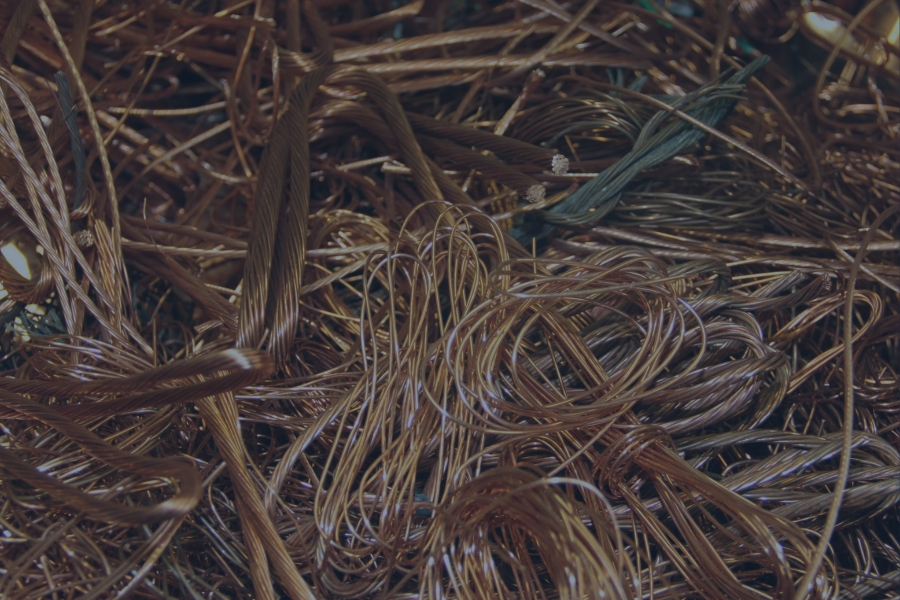
Copper and brass values can change daily based on commodity markets, metal grade, purity, regional demand, quantity, contamination, transportation needs, and processing requirements. Even materials that appear similar may receive different classifications after inspection.
This article is intended to provide an educational snapshot of the market, not a formal quote. Businesses looking for current pricing should request an evaluation based on the actual material, volume, location, condition, and pickup needs involved.
Contact EACR Inc. for copper recycling services and project-specific pricing based on your materials and current market conditions.
Current Copper & Brass Scrap Prices: Market Reference Only
Market reference updated: July 20, 2026
| Copper or Brass Material | Estimated Market Price* |
| Bare Bright Copper Wire | $5.35/lb |
| #1 Copper Tubing / Flashing | $5.05/lb |
| #2 Copper Tubing / Bus Bar | $4.85/lb |
| Light Roofing / Flashing Copper | $4.70/lb |
| #3 Roofing Copper | $4.65/lb |
| Leaded Roofing / Flashing Copper | $4.20/lb |
| Bronze / Red Brass | $4.10/lb |
| Copper Turnings | $3.80/lb |
| Brass Pipe | $3.12/lb |
| Yellow Brass | $3.10/lb |
| Brass Shells | $3.05/lb |
| Clean Brass Radiators | $3.00/lb |
| Brass / Copper Mix | $2.85/lb |
| Aluminum / Copper Coil, Clean | $2.65/lb |
| Clean Brass Meters | $2.50/lb |
| Aluminum / Copper Coil, Dirty | $1.70/lb |
| Dirty Brass Meters | $1.60/lb |
| Red Brass Turnings | $1.55/lb |
| Brass Turnings | $1.05/lb |
| Dirty Brass Faucets | $0.65/lb |
| Copper Yokes | $0.41/lb |
| Small Electric Motors | $0.35/lb |
| Alternators / Starters | $0.35/lb |
| Sealed Units | $0.30/lb |
| Copper Transformers | $0.21/lb |
Estimated market reference prices only. These are not EACR Inc. buying prices and should not be interpreted as an offer, guarantee, or agreement to purchase material at any listed rate.
Why Copper and Brass Prices Change
Copper and brass do not have one fixed scrap price. Their value depends on market conditions, metal grade, material quality, and the size and logistics of the recycling project.
Market Supply and Demand
Copper and brass values are influenced by:
- Global commodity markets
- Manufacturing demand
- Construction activity
- Electrical and plumbing demand
- Available scrap supply
- Regional buyers
- Energy costs
- Transportation costs
Copper often responds quickly to changes in construction, infrastructure, electronics, and manufacturing demand. When these industries need more copper, market values may rise. When demand slows or more material becomes available, prices may fall.
Metal Grade
Different copper and brass grades are priced differently because they contain different amounts of recoverable metal and require different levels of processing.
Common categories include:
- Bare bright copper
- #1 copper
- #2 copper
- Roofing copper
- Yellow brass
- Red brass
- Bronze
- Mixed brass and copper
- Copper and brass turnings
- Radiators
- Water meters
Higher-purity, clearly separated metals generally command stronger market values than mixed or heavily processed material.
For example, clean bare copper wire may be valued differently from copper tubing with solder or paint. Red brass may also be classified differently from yellow brass because the alloy composition is not the same.
Material Quality
The condition of the material can significantly affect its final value.
Common value-reducing attachments and contaminants include:
- Steel
- Plastic
- Rubber
- Solder
- Paint
- Insulation
- Oil
- Mixed metals
- Internal components
Cleaner material usually requires less sorting, separation, and processing. Dirty or mixed material may still be recyclable, but the additional labor and lower recovery rate can reduce its classification and value.
Quantity
Commercial loads may be evaluated differently from small quantities.
Factors can include:
- Total weight
- Material consistency
- Pickup requirements
- Transportation distance
- Loading needs
- Container service
- Frequency of collection
A large, consistently sorted load may be easier to process than a small mixed load. However, transportation, container placement, loading labor, and service frequency can also affect the final quote.
What Affects the Final Value of Copper and Brass?
The final value of a copper or brass recycling project may depend on:
- Metal grade: Bare bright copper, #1 copper, #2 copper, and different brass alloys are valued differently.
- Alloy composition: The exact combination of metals affects classification and recoverable value.
- Purity: Cleaner materials generally contain a higher percentage of the target metal.
- Contamination: Steel, plastic, rubber, oil, insulation, solder, and mixed metals can reduce value.
- Attached components: Faucets, meters, motors, transformers, and radiators may contain multiple materials.
- Current commodity markets: Copper and brass markets can move from day to day.
- Regional demand: Local buyers and processors may have different needs.
- Quantity: Larger or more consistent loads may receive different pricing considerations.
- Sorting and preparation: Properly separated material is generally easier to grade and process.
- Transportation costs: Distance, fuel, loading, and equipment requirements can affect a project.
- Pickup requirements: Containers, labor, scheduling, and site access may influence pricing.
- Market conditions on the quote date: A published price may no longer reflect conditions when the material is actually collected.
Because these factors vary from project to project, online market prices should only be used as a general reference.
Why Bare Bright Copper is Usually Worth More
Bare bright copper is usually one of the strongest-value copper scrap grades because it is typically:
- Clean
- Uncoated
- Unalloyed
- Free of insulation
- Easy to identify
- High in recoverable copper content
It generally requires less processing than coated, soldered, corroded, or mixed copper.
However, not all stripped wire automatically qualifies as bare bright copper. Wire with coatings, excessive oxidation, solder, attachments, mixed metals, or contamination may be placed into a different grade after inspection.
Why Brass Prices Vary by Type
Brass is not one single material. Different brass alloys contain different amounts of copper, zinc, tin, lead, and other metals, which affects how the material is graded and valued.
Yellow Brass
Yellow brass is commonly found in:
- Plumbing fixtures
- Valves
- Pipe fittings
- Hardware
- Door handles
- Decorative components
It usually contains a lower percentage of copper than red brass. Its final value depends on the alloy, condition, attached materials, and current market demand.
Red Brass
Red brass often contains more copper than yellow brass, which can give it a stronger market value.
It may be found in:
- Valves
- Pumps
- Plumbing components
- Water meters
- Industrial fittings
Actual grading depends on the material’s composition and condition. Items that look similar may still be placed into different categories after inspection.
Bronze
Bronze is also a copper-based alloy, but it has a different composition than brass.
Brass is primarily made from copper and zinc, while bronze commonly contains copper and tin, along with other possible metals. Because the composition is different, bronze follows a different grading and pricing process.
The exact value depends on the alloy, purity, condition, and current market.
Brass Meters and Faucets
Brass water meters, faucets, and plumbing fixtures often contain more than just brass.
They may include:
- Steel
- Plastic
- Rubber
- Internal valves
- Electronic components
- Glass
- Mixed metals
These attachments can significantly affect the material’s classification and value.
A clean brass meter with non-brass components removed may be graded differently from a complete meter. The same applies to faucets containing steel hardware, plastic cartridges, or rubber seals.
Clean vs. Dirty Copper and Brass
The terms “clean” and “dirty” refer to how much sorting and processing the material requires.
| Clean Material | Dirty Material |
| Separated by metal type | Mixed with other metals |
| Minimal attachments | Contains steel, plastic, or rubber |
| Little processing required | Requires additional labor |
| More consistent grade | May receive a lower classification |
| Generally stronger value | Value may be reduced |
Dirty copper or brass is not necessarily unrecyclable.
It usually means the material contains attachments, contamination, or mixed components that must be removed before the recoverable metal can be processed.
Examples include:
- Brass faucets with steel and plastic parts
- Copper tubing with solder
- Insulated copper wire
- Motors containing copper, steel, and other materials
- Brass meters with internal components
These materials may still be accepted, but they are often valued differently from clean, separated scrap.
Frequently Asked Questions About Copper and Brass Scrap Prices
Are these EACR Inc.’s copper and brass prices?
No.
The prices shown in this article are general market reference prices based on publicly available information. They are not EACR Inc. buying rates, guaranteed prices, or offers to purchase material.
Actual pricing may be higher or lower depending on the material, grade, condition, quantity, location, service requirements, and market conditions.
Why is bare bright copper worth more?
Bare bright copper is usually clean, uncoated, high-purity copper that requires relatively little processing.
It is typically free of insulation, solder, heavy corrosion, and other attachments. This makes the material easier to identify and process.
What is the difference between #1 and #2 copper?
#1 copper is typically cleaner and contains fewer coatings, solder, corrosion, and attachments.
#2 copper may include:
- Solder
- Paint
- Oxidation
- Plating
- Contamination
- Small attachments
The final classification depends on the recycler’s inspection and grading standards.
Is red brass worth more than yellow brass?
Often, yes.
Red brass generally contains a higher percentage of copper than yellow brass, which may give it a stronger market value.
However, actual grading depends on the alloy composition, purity, condition, and attached materials.
Can dirty brass still be recycled?
Yes.
Brass containing steel, plastic, rubber, internal components, or other attachments may still be recyclable. However, contamination and processing requirements can reduce its value.
Are copper transformers priced like clean copper?
No.
Copper transformers contain multiple materials, including copper windings, steel cores, insulation, housings, and other internal components.
Because they require dismantling and separation, they are generally valued differently from clean copper wire, tubing, or bus bar.
Do copper and brass prices change daily?
They can.
Commodity markets, local demand, available supply, transportation costs, energy prices, and processing conditions may all affect daily pricing.
Conclusion
Copper and brass scrap prices vary based on grade, purity, condition, quantity, contamination, regional demand, and current market conditions.
Bare bright copper, #1 copper, #2 copper, yellow brass, red brass, bronze, meters, radiators, and mixed materials are not all valued the same. Each category has different recovery and processing requirements.
Contact EACR Inc. for copper recycling services, commercial pickups, project-based recycling, and a customized quote based on your materials and current market conditions.