When it comes to protecting the planet, electronics recycling and sustainability go hand in hand. Every phone, laptop, and television we use contains materials that can either help or harm the environment—depending on how they’re handled once they reach the end of their life. Recycling these devices properly reduces pollution, conserves natural resources, and supports the global shift toward a circular economy where products are reused, not wasted.
At EACR Inc., we make sustainable electronics recycling accessible for everyone. From schools to large organizations, our programs are designed to recover reusable materials, ensure secure data destruction, and prevent e-waste from ever reaching landfills. It’s all part of our mission to keep the Northeast—and the planet—clean, responsible, and forward-thinking.
The Link Between E-Waste and Environmental Sustainability
Understanding E-Waste
E-waste, short for electronic waste, refers to any discarded electronic device or component—from smartphones and tablets to printers, TVs, and computer monitors. As technology evolves, millions of these items are replaced every year, making e-waste one of the fastest-growing waste streams worldwide.
The problem is that many of these devices still contain reusable materials and valuable metals that often go unrecovered. Instead, they pile up in landfills, taking up space and creating long-term environmental risks.
Why Improper Disposal Is Harmful
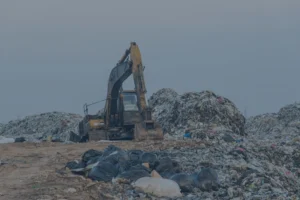
Throwing electronics in the trash doesn’t make them disappear—it creates serious problems. When devices break down in landfills, materials like lead, mercury, and cadmium can leach into soil and groundwater. These toxins not only damage ecosystems but also pose real health risks to humans through contaminated water and air.
Unmanaged e-waste also releases greenhouse gases when burned or processed incorrectly, contributing to global climate change. Recycling through licensed facilities like EACR Inc. ensures these materials are handled safely and responsibly, protecting both the environment and the communities around it.
How Electronics Recycling Promotes a Circular Economy
Recovering and Reusing Materials
Electronics recycling allows metals, plastics, and glass to be recovered and reused rather than wasted. Components like copper, aluminum, gold, and rare earth elements can be extracted and reintroduced into manufacturing—significantly reducing the need for new mining. This process not only conserves natural resources but also cuts down on the energy and emissions associated with raw material production.
Extending Product Lifecycles
Recycling isn’t just about breaking things down—it’s about giving them new life. Many devices can be refurbished, repaired, or stripped for reusable components. By keeping parts in circulation longer, fewer new products need to be made, and fewer end up in landfills. EACR Inc. supports this cycle by responsibly processing each device, ensuring that every recoverable piece is put to good use.
Reducing Manufacturing Emissions
Manufacturing new electronics from raw materials requires massive energy consumption, from mining to smelting to assembly. Recycling offsets that demand by supplying manufacturers with reusable materials that require far less energy to process. Every ton of electronics recycled means fewer emissions, less waste, and a cleaner atmosphere—helping industries move closer to their sustainability goals.
The Broader Environmental Benefits of Electronics Recycling
When discussing electronics recycling and sustainability, it’s not just about keeping devices out of landfills—it’s about protecting the planet’s most critical resources. Recycling electronics helps conserve materials, reduce harmful emissions, and push communities closer to true zero-waste living.
Conserving Natural Resources
Electronics recycling recovers metals like copper, and aluminum, which are essential but finite. Every device that’s recycled helps reduce the strain on natural reserves that would otherwise require destructive mining. By reusing these materials, we lower the need for new extraction and preserve the ecosystems often damaged by resource harvesting. Simply put, recycling means fewer holes in the ground and more resources kept in circulation where they belong.
Lowering Greenhouse Gas Emissions
Manufacturing new devices from raw materials requires energy-intensive mining, refining, and shipping. Recycling cuts that cycle short. When recovered metals and plastics are reused, it eliminates multiple energy-heavy steps, leading to significantly fewer carbon emissions. For example, recycling aluminum saves up to 95% of the energy required to produce it from scratch (International Aluminum, 2024). Through proper recycling, EACR Inc. helps reduce industrial emissions and supports cleaner air across the communities it serves.
Preventing Landfill Waste
Electronic waste doesn’t just take up space—it creates long-term pollution risks. Recycling electronics keeps harmful components like lead, mercury, and plastics out of landfills, where they could contaminate soil and groundwater. EACR Inc. proudly operates under a zero-landfill policy, ensuring every item is either reused, repurposed, or responsibly processed. This commitment supports local zero-waste goals and reinforces the connection between responsible recycling and a healthier planet.
Social and Economic Benefits of Responsible Recycling
Creating Green Jobs
Electronics recycling does more than help the environment—it supports people and local economies. From transportation and logistics to sorting, dismantling, and material recovery, the recycling industry provides thousands of green jobs across the country. These careers contribute to a growing sustainability-focused workforce while helping communities build stronger, cleaner economies rooted in environmental responsibility.
Corporate and Institutional Responsibility
For businesses, schools, and government agencies, recycling electronics is more than good practice—it’s a reflection of values. Organizations that recycle show leadership in sustainability, maintain environmental compliance, and strengthen their brand reputation. Working with EACR Inc. allows institutions to meet internal green goals, reduce liability, and demonstrate accountability to clients, students, and stakeholders. Responsible recycling isn’t just about waste management—it’s about setting a positive example for others to follow. Read our complete post about corporate social responsibility and electronics recycling.
How EACR Inc. Supports Sustainability Through Electronics Recycling
EACR Inc. has been a trusted name in electronics recycling for more than 25 years. As a licensed electronics recycling company, we’re dedicated to making sustainability achievable for everyone—whether you’re recycling a single device or managing corporate IT disposal.
- Over 25 years of experience in electronics recycling.
- Operates under a zero-landfill policy to ensure every item is processed responsibly.
- Offers collection, and bulk recycling programs throughout the Northeast.
- Provides detailed reporting and traceability for businesses pursuing sustainability goals.
EACR Inc. is committed to making electronics recycling simple, safe, and sustainable from start to finish.
Final Thoughts — Building a Sustainable Future Through Recycling
In the movement toward a cleaner world, electronics recycling and sustainability play a crucial role. Every recycled device helps conserve raw materials, reduce waste, and lower the carbon footprint of manufacturing.
Choosing a responsible partner like EACR Inc. ensures your old electronics are handled with care, not discarded carelessly. Together, we can transform e-waste into opportunity, preserve the planet’s resources, and build a truly sustainable future for generations to come.