The main difference between ferrous and non-ferrous metal is iron content. Ferrous metals contain iron as a major component, while non-ferrous metals generally do not.
That difference affects several important characteristics, including magnetism, corrosion resistance, weight, common uses, scrap value, and how the metals are identified and separated during recycling.
What is Ferrous Metal?
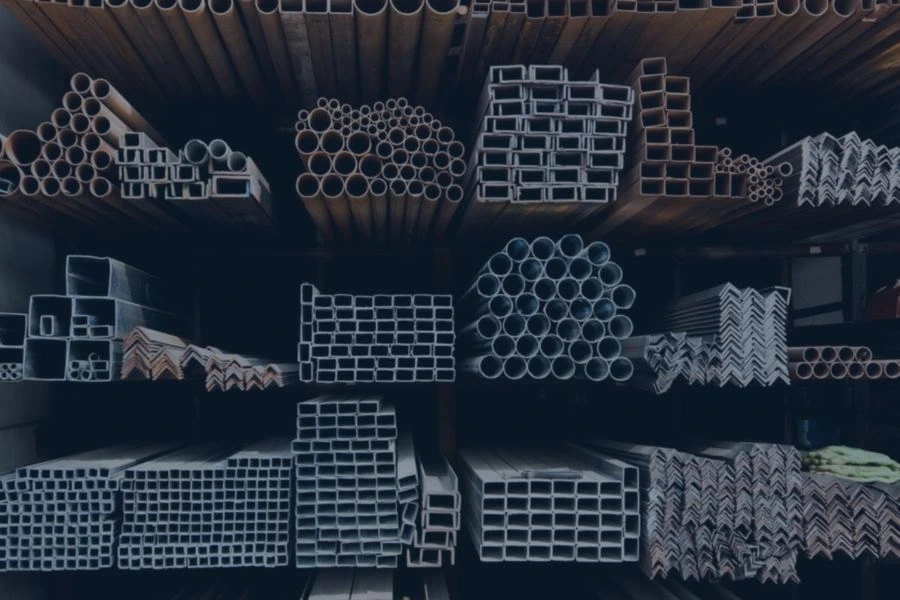
Ferrous metal is metal that contains iron as a major component. These metals are widely used in construction, manufacturing, transportation, machinery, and industrial equipment because many are strong and durable.
Many ferrous metals are also magnetic, which can make them easier to identify and separate from other materials. However, magnetism is not a perfect test because some ferrous alloys are only weakly magnetic or not noticeably magnetic at all.
Because ferrous metals contain iron, many are also more susceptible to rust when exposed to moisture and oxygen. The degree of corrosion depends heavily on the specific metal or alloy.
Common Ferrous Metals
- Steel: Steel is primarily made from iron and carbon and is one of the most commonly used metals in buildings, vehicles, machinery, tools, and equipment.
- Carbon steel: Carbon steel contains iron and varying amounts of carbon. It is known for its strength and is commonly used in structural components, machinery, piping, and industrial applications.
- Cast iron: Cast iron contains a relatively high amount of carbon and is valued for its durability and ability to withstand compression. It is commonly found in machinery, cookware, pipes, and heavy equipment components.
- Wrought iron: Wrought iron contains very little carbon and is known for being tough and workable. It has historically been used for gates, railings, decorative metalwork, and structural applications.
- Stainless steel: Stainless steel is also considered ferrous because iron remains a major component. However, its chromium content gives it significantly better corrosion resistance than ordinary steel. Some grades of stainless steel are also not strongly magnetic, which is why magnetism alone should not be used to determine whether a metal is ferrous.
What is Non-Ferrous Metal?
Non-ferrous metals do not contain iron as their primary component. This group includes several widely used metals with properties that make them reusable in electronics, electrical systems, plumbing, transportation, construction, and manufacturing.
Many non-ferrous metals are lighter or more resistant to corrosion than common ferrous metals. Some also offer excellent electrical or thermal conductivity.
Certain non-ferrous metals, particularly copper, can also have a higher scrap value per pound than common ferrous materials. Actual scrap values vary based on the metal, grade, condition, market demand, and other factors.
Common Non-Ferrous Metals
- Aluminum: Aluminum is lightweight, corrosion resistant, and widely used in transportation, electronics, construction materials, appliances, and packaging. Learn more about aluminum recycling and how this widely used metal can be recovered from scrap materials.
- Copper: Copper is highly conductive and commonly found in electrical wiring, motors, electronics, plumbing, telecommunications equipment, and industrial systems. EACR also has a more detailed guide to copper recycling.
- Brass: Brass is primarily an alloy of copper and zinc. It is commonly used in plumbing fixtures, valves, hardware, fittings, and decorative components.
- Bronze: Bronze is generally made primarily from copper and tin, although other elements may also be included. It is commonly used in bearings, bushings, marine components, sculptures, and industrial applications.
- Zinc: Zinc is frequently used as a protective coating for steel through galvanization and can also be found in batteries, alloys, and manufactured components.
- Lead: Lead is a dense non-ferrous metal used in applications such as lead acid batteries, shielding, weights, and certain industrial equipment.
Ferrous vs Non-Ferrous Metal: Key Differences
The easiest way to understand the difference is to compare the general properties of each category.
| Characteristic | Ferrous Metal | Non-Ferrous Metal |
| Iron content | Contains iron | Little to no iron |
| Common examples | Steel, cast iron | Aluminum, copper, brass |
| Magnetism | Often magnetic | Usually not magnetic |
| Corrosion | Often more susceptible | Generally more resistant |
| Weight | Often heavier | Many are lighter |
| Scrap value | Often lower per pound | Often higher per pound |
| Common uses | Buildings, machinery, vehicles | Wiring, electronics, plumbing, aerospace |
These are general characteristics, not absolute rules. The properties of a metal can change considerably depending on its alloy composition.
Stainless steel is a good example. It is a ferrous metal because it contains iron, but certain stainless steel grades resist corrosion extremely well and may not be strongly magnetic. Likewise, not every non-ferrous metal is lightweight simply because it does not contain iron.
The most reliable distinction is ultimately the simplest one: ferrous metals are primarily iron based, while non-ferrous metals are not.
Examples of Ferrous and Non-Ferrous Scrap
Ferrous and non-ferrous metals show up in everything from buildings and machinery to wiring, electronics, appliances, and plumbing. Knowing the difference can make scrap easier to identify and sort.
Examples of Ferrous Scrap
Common ferrous scrap includes:
- Steel beams and structural materials
- Steel machinery and industrial equipment
- Cast iron components
- Automotive parts
- Steel shelving, racks, and storage equipment
- Certain appliances with steel housings or components
These materials are often heavy, durable, and magnetic because iron is a major part of their composition.
Examples of Non-Ferrous Scrap
Common non-ferrous scrap includes:
- Copper wire and cable
- Aluminum components
- Brass plumbing fixtures
- Copper piping
- Aluminum heat sinks
- Zinc components
Copper wiring is one of the most recognizable examples. EACR’s wire recycling services provide businesses with a responsible option for managing retired wire, cable, and other recyclable metal materials.
Aluminum heat sinks are another common non-ferrous material, especially in computers and electronic equipment. You can also learn more about aluminum heat sink recycling.
How Can You Tell if Metal Is Ferrous or Non-Ferrous?
You do not always need specialized equipment to get a basic idea of what type of metal you have. A few simple clues can help.
Try a Magnet
A magnet is one of the easiest ways to make an initial distinction.
If a magnet strongly attracts the metal, there is a good chance it is ferrous. Steel and cast iron, for example, are typically magnetic.
If there is little or no attraction, the material may be non-ferrous, such as aluminum, copper, or brass.
This test is not definitive. Some ferrous alloys, including certain grades of stainless steel, may have weak magnetic properties or may not appear magnetic at all.
Look at the Type of Material
Color, weight, corrosion, and the way the material was used can provide additional clues.
Copper has a recognizable reddish color, while aluminum is generally lightweight and silver colored. Ferrous metals may also show visible rust when exposed to moisture.
These characteristics can help with basic identification, but appearance alone is not always reliable. Alloys, coatings, finishes, and corrosion can make different metals look similar.
Why Does the Difference Matter in Metal Recycling?
Ferrous and non-ferrous metals are typically separated during recycling because different metals have different properties, processing requirements, uses, and market values.
Proper sorting helps recyclers separate individual material streams so metals can be processed more effectively.
Businesses can generate both ferrous and non-ferrous scrap through:
- Machinery and equipment replacement
- Electronics and electrical systems
- Wire and cable
- Facility renovations
- Warehouse cleanouts
- Manufacturing operations
- Retired industrial equipment
Ferrous vs Non-Ferrous Metal: The Bottom Line
The difference is straightforward: ferrous metals contain iron as a primary component, while non-ferrous metals do not.
Steel and cast iron are common ferrous materials. Copper, aluminum, brass, bronze, zinc, and lead are common non-ferrous materials.
Knowing the distinction matters when identifying, sorting, valuing, and recycling scrap metal.
If your business has scrap metal, retired electronics, wiring, machinery, or equipment that needs to be properly managed, learn more about EACR’s e-waste recycling services and available options for handling those materials responsibly.