The carbon footprint of batteries is bigger than most people realize. Batteries power nearly everything now, from phones and laptops to electric vehicles, solar storage systems, medical equipment, data centers, and industrial machinery. But every battery carries an environmental cost before it ever gets used.
A battery’s carbon footprint includes the greenhouse gas emissions tied to raw material extraction, manufacturing, shipping, use, and end-of-life disposal. For batteries, the biggest environmental burden usually comes from mining, material processing, and energy-intensive manufacturing.
In this post, we’ll break down the emissions tied to battery production, transport, and disposal, and explain how recycling can help reduce the overall carbon footprint of batteries. If you have batteries to dispose of, working with a licensed battery recycling company like EACR Inc. helps ensure they are handled safely while reducing their environmental impact.
Emissions from Production
Mining and Refining Raw Materials
Battery production starts with raw materials. Depending on the battery type, that can include lithium, cobalt, nickel, lead, graphite, copper, and other metals.
Mining and refining these materials takes energy, water, equipment, transportation, and chemical processing. Lithium extraction can require large amounts of water, while cobalt and nickel mining can create pollution, waste, and land disturbance.
Lead-acid batteries have a different environmental concern. Lead is highly recyclable, but it can also create serious contamination risks if batteries are dumped, damaged, or handled improperly. That is why battery type matters so much when discussing environmental impact.
MIT notes that mining lithium, cobalt, and nickel is labor-intensive, uses chemicals and large amounts of water, and can leave toxic waste behind.
Manufacturing Battery Cells and Components
After raw materials are mined and refined, they still need to be turned into battery cells and components. This part of the process is energy-heavy.
Battery materials often need high-temperature processing. MIT states that synthesizing some battery materials can require heat between 800 and 1,000°C, which is often reached by burning fossil fuels (MIT Climate Portal, 2025).
That means the carbon footprint of a battery depends heavily on where and how it is made. A battery manufactured with coal-heavy electricity will usually have a higher footprint than one made in a region using cleaner energy.
Average Emissions Per Battery
The exact carbon footprint of a battery varies by chemistry, size, factory location, electricity source, and supply chain.
Older estimates cited by Greenly place lithium-ion battery production around 150 to 200 kg of CO₂ per kWh produced.
MIT gives a wider range for an 80 kWh Tesla Model 3 battery, estimating manufacturing emissions between 2,400 kg and 16,000 kg of CO₂, depending on where and how the battery is made.
Exact numbers vary because battery chemistry, factory location, electricity source, and supply chain practices all change the final footprint (MIT Climate Portal, 2025).
Emissions from Transport
Global Battery Supply Chains
Batteries usually do not come from one place. Raw materials may be mined in one country, refined in another, assembled somewhere else, and then shipped to manufacturers or end users.
That movement adds emissions. Batteries are also heavy, which makes transport more meaningful than it is for many smaller consumer products.
This is especially true for EV batteries, industrial batteries, solar storage batteries, UPS batteries, and large battery systems used in hospitals, warehouses, and data centers.
Shipping Batteries Safely
Batteries often require special handling during transport. Lithium-ion batteries, damaged batteries, and certain industrial batteries may need specific packaging, labeling, documentation, and storage practices.
That matters because batteries can create fire, chemical, and safety risks if they are crushed, punctured, overheated, or improperly packed.
For businesses handling bulk batteries, safe transportation is not just about convenience. It is part of responsible environmental management.
Demand Keeps the Cycle Moving
Batteries are no longer limited to phones, laptops, and small electronics. They are now used in electric vehicles, grid storage, hospitals, UPS systems, solar systems, forklifts, trains, industrial equipment, and more.
The JRC report notes that industrial battery carbon footprint methods cover batteries above 2 kWh used in applications like solar storage, UPS units, medical equipment, grid storage, ships, trains, and other large systems.
As demand grows, the environmental impact of battery production and movement becomes a bigger issue (European Commission, 2025).
Emissions from Disposal
Landfills and Battery Pollution
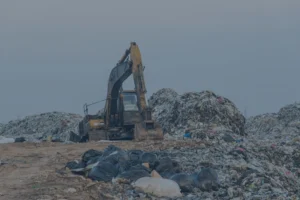
Batteries should not be treated like regular trash. When they end up in landfills, they can create long-term environmental and safety issues.
Lead, lithium, acids, electrolytes, and other battery materials can become a problem if batteries leak, corrode, burn, or break down improperly. That can contribute to soil contamination, groundwater concerns, and fire risks.
The damage is not always immediate, but improper disposal makes the overall carbon footprint of batteries worse because it wastes materials that could have been recovered.
Fire Risks and Damaged Batteries
Lithium-ion batteries can become dangerous when crushed, punctured, overheated, or stored incorrectly. This is a serious issue for waste facilities, trucks, warehouses, offices, schools, and businesses with bulk battery loads.
A single damaged battery can create fire risk during storage, transport, or disposal. That is why damaged, swollen, leaking, or overheating batteries should be separated and handled through a proper battery recycling process.
Lost Material Recovery
Every discarded battery represents lost reusable materials. When batteries are not recycled, the metals and components inside are wasted.
That means more mining, more refining, more manufacturing, and more emissions are needed to produce new batteries from raw materials.
Recycling does not erase the entire footprint, but it helps reduce the need for new material extraction and keeps hazardous components out of landfills.
How Recycling Reduces the Carbon Footprint
Reducing the Need for New Mining
The carbon footprint of batteries can be reduced when reusable materials are recovered instead of mined from scratch.
Depending on the battery type, recycling can recover lead, plastic, copper, nickel, cobalt, lithium, and other materials. Those recovered materials can then re-enter manufacturing streams and help reduce the need for new extraction.
That matters because mining is one of the most resource-heavy parts of the battery lifecycle. Less mining means fewer upstream emissions tied to excavation, refining, transportation, and material processing.
Energy Savings from Recovered Materials
Recycling often uses less energy than extracting and refining raw materials.
This is especially important for metals and battery components. When materials are recovered from old batteries, manufacturers can rely less on virgin resources that require mining, crushing, refining, chemical treatment, and long-distance transportation.
Recycling does not make batteries impact-free, but it helps lower the energy demand tied to future battery production.
Supporting Circular Battery Systems
Battery recycling also supports a more circular system, where materials are reused instead of discarded.
The EU Batteries Regulation is pushing for more transparent carbon footprint declarations and stronger lifecycle reporting for batteries. The JRC methodology focuses on measuring emissions across raw material acquisition, manufacturing, waste management, and recycling.
That kind of reporting matters because it helps manufacturers, businesses, and consumers better understand the true environmental cost of batteries. It also supports circular economy goals by making battery production, use, and recycling more accountable.
Lead-Acid Battery Recycling Example
Lead-acid batteries show what mature battery recycling can look like when collection, processing, and material recovery systems are already established.
Greenly cites Battery Council International’s point that 99% of lead-acid batteries are recyclable. That does not mean every battery is automatically recycled correctly, but it does show how effective battery recovery can be when the right systems are in place (Greenly, 2022).
For businesses handling vehicle batteries, forklift batteries, UPS batteries, or other lead-acid battery types, proper recycling helps recover materials while reducing contamination risks.
Why Battery Type Matters
Lithium-Ion Batteries
Lithium-ion batteries are used in phones, laptops, electric vehicles, e-bikes, power tools, and solar storage systems.
Their environmental impact is tied heavily to lithium, cobalt, nickel, and graphite extraction. They also require energy-intensive manufacturing, especially when battery cells are produced in regions powered by fossil fuels.
Lithium-ion batteries also need careful handling at the end of life. If they are damaged, crushed, overheated, or improperly stored, they can create fire risks.
Lead-Acid Batteries
Lead-acid batteries are commonly used in cars, forklifts, UPS systems, industrial equipment, and backup power systems.
Their biggest environmental concern is lead contamination. If lead-acid batteries are dumped, cracked, or handled poorly, they can create serious risks for soil, water, and human health.
They are also heavy, which can increase transport-related emissions. The upside is that lead-acid batteries have strong recycling potential when they are collected and processed correctly.
Industrial Batteries
Industrial batteries are used in solar storage, data centers, hospitals, grid systems, machinery, transportation systems, and large backup power applications.
Because these batteries are larger, they require more raw materials and more planning at end of life. Carbon reporting is also becoming more important as businesses and regulators look more closely at battery lifecycle emissions.
For facilities managing industrial batteries, recycling is not just an environmental choice. It is also part of compliance, documentation, safety, and sustainability planning.
Conclusion
Batteries are essential to modern life, but they are not impact-free. Their carbon footprint begins with mining and refining, grows through energy-intensive manufacturing and global transport, and can become worse when batteries are thrown away or poorly handled.
The good news is that battery recycling helps reduce that impact. By recovering reusable materials, reducing the need for new mining, and keeping hazardous components out of landfills, recycling helps lower the long-term carbon footprint of batteries.
For businesses, schools, municipalities, warehouses, and facilities with bulk batteries, working with a licensed battery recycling company like EACR Inc. makes safe handling and responsible recycling much easier.