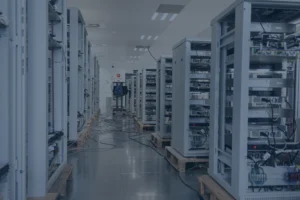
Closing a data center, consolidating IT infrastructure, or migrating workloads to the cloud involves more than shutting down servers and removing equipment.
Before hardware can be retired, organizations must account for their assets, protect sensitive information, verify that critical systems have been migrated, and arrange for safe equipment removal and recycling.
EACR Inc. provides data center decommissioning services to help businesses securely remove, transport, and recycle retired IT infrastructure. Below, we’ll walk through the nine steps involved in the data center decommissioning process, from initial planning through final project documentation.
The Data Center Decommissioning Process: 9 Steps
Step 1: Define the Project Scope and Timeline
The first step is determining exactly what needs to be decommissioned and establishing a realistic project schedule.
Some organizations retire an entire data center, while others remove specific server racks, storage systems, or outdated infrastructure during an equipment upgrade.
IT managers, facility operators, security personnel, and decommissioning providers should coordinate to establish the project’s scope, responsibilities, and deadlines.
This includes identifying which areas of the facility will be affected, when equipment can be disconnected, and whether removal must occur outside normal operating hours.
Any facility access requirements, security procedures, or lease deadlines should also be addressed before work begins.
Step 2: Audit and Inventory Data Center Equipment
Once the scope is established, the next step is identifying and documenting the equipment scheduled for removal.
A typical data center inventory includes:
- Servers, Racks, and Cabinets: Rack-mounted servers, blade servers, and supporting structures.
- Storage Equipment: Hard drives, SSDs, storage arrays, and other data-bearing hardware.
- Network Equipment: Switches, routers, firewalls, and related infrastructure.
- Power Equipment: UPS systems, batteries, and power distribution units (PDUs).
- Supporting Infrastructure: Cooling equipment, cables, connectors, and additional components.
A complete inventory makes it easier to account for each piece of equipment as it moves through shutdown, removal, transportation, data destruction, and recycling.
Step 3: Identify System Dependencies and Data Retention Requirements
Before equipment can be shut down, IT teams need to understand which systems still depend on it.
A server scheduled for retirement might support an active application, database, virtual machine, or network service that isn’t immediately obvious.
Identifying these dependencies helps prevent unexpected service interruptions when equipment is disconnected.
Organizations must also determine what should happen to the information stored on retiring systems.
Some data needs to be migrated to replacement infrastructure, while historical records may require archiving or continued retention. Other information may be eligible for secure destruction.
These decisions should be coordinated with the organization’s IT, legal, and compliance teams before the affected hardware is retired.
Step 4: Complete Data Migration and Approve System Shutdown
After system dependencies and data requirements have been identified, organizations can complete the necessary workload migrations and data preservation activities.
Active applications, databases, and virtual machines may be transferred to cloud platforms, replacement servers, or another data center.
Historical information that must remain available should be preserved according to the organization’s retention requirements.
However, transferring data isn’t enough. IT teams should verify that applications operate correctly in their new environments and that archived information can actually be accessed.
Once these checks are complete, the organization can confirm that essential services no longer rely on the retiring infrastructure.
The responsible IT team can then authorize the permanent shutdown of the designated systems.
Step 5: Shut Down, Disconnect, and Remove Equipment
Once shutdown has been approved, the physical equipment removal process can begin.
Servers, storage arrays, network switches, routers, and other devices are powered down and disconnected according to the approved project plan.
Qualified personnel should handle electrical isolation and any work involving power distribution systems or other hazardous connections.
Equipment can then be carefully removed from racks, cabinets, and supporting structures.
Throughout removal, identifying information should remain associated with each asset so it can be tracked during subsequent processing.
Larger projects may require coordinated labor, lifting equipment, and specific loading arrangements, particularly when removing populated server racks or heavy infrastructure.
Step 6: Securely Package and Transport Retired Equipment
After removal, equipment must be organized and prepared for transportation.
Servers, storage devices, circuit boards, and other sensitive electronics should be handled carefully to prevent unnecessary damage.
Data-bearing equipment also requires secure handling and appropriate chain-of-custody procedures.
Depending on the quantity and size of the hardware, equipment may be transported using box trucks, tractor-trailers, or other suitable vehicles.
EACR Inc. operates its own transportation fleet to support commercial electronics collections and larger infrastructure removal projects.
Step 7: Perform Secure Data Destruction
Before retired storage devices can be reused or reach final disposition, the information they contain must be securely sanitized or destroyed.
The appropriate method depends on the type of storage media, the sensitivity of the information, and the organization’s security requirements.
Common methods include:
- Data Erasure: Using suitable software or hardware procedures to sanitize eligible storage devices.
- Physical Destruction: Physically destroying hard drives, SSDs, or other storage media when required by the organization’s security policies.
The NIST SP 800-88 Revision 2 Guidelines for Media Sanitization provide guidance for establishing appropriate media sanitization procedures based on information sensitivity.
EACR Inc. offers data destruction services, including on-site and off-site options.
Depending on the approved arrangement, destruction may occur at the data center or after secure transportation.
Step 8: Process and Recycle Retired IT Equipment
After equipment has been removed and applicable data security requirements have been addressed, hardware can move through the appropriate recycling and disposition processes.
Functional equipment may be evaluated for reuse, while outdated or nonworking devices can be directed toward material recovery.
Servers, networking equipment, circuit boards, wiring, and other electronic assemblies contain metals and components that may be recovered through recycling.
Batteries, certain power equipment, and other materials may require specialized handling based on their composition.
EACR Inc.’s electronics recycling services help organizations responsibly process retired IT infrastructure and recover suitable materials.
Actual processing methods vary by equipment type, and certain components may require specialized downstream recycling operations.
Step 9: Complete Documentation and Project Closeout
The final stage involves confirming that the equipment has been accounted for and that the necessary recycling and data destruction activities have been documented.
Depending on the project, final records may include:
- Asset Disposition Records: Updated inventories identifying how retired equipment was handled.
- Certificates of Data Destruction: Documentation of completed destruction services.
- Certificates of Recycling: Records supporting the recycling of collected equipment.
- Equipment Removal Confirmation: Verification that the designated hardware has been removed from the facility.
These documents help organizations maintain an audit trail and demonstrate how their retired IT equipment was managed.
The responsible teams should review any outstanding issues, confirm that project requirements have been addressed, and formally close the decommissioning project.
Complete Your Data Center Decommissioning With EACR Inc.
The data center decommissioning process follows a clear sequence, from planning and asset inventories to system shutdown, equipment removal, secure transportation, data destruction, recycling, and final reporting.
EACR Inc. provides professional data center decommissioning services for businesses, institutions, and organizations retiring servers and IT infrastructure.
With over 25 years of electronics recycling experience, our team can help coordinate the physical removal and responsible processing of your retired equipment.
Contact EACR Inc. at (732) 370-4100 to discuss your project’s scope, equipment quantities, and collection requirements.