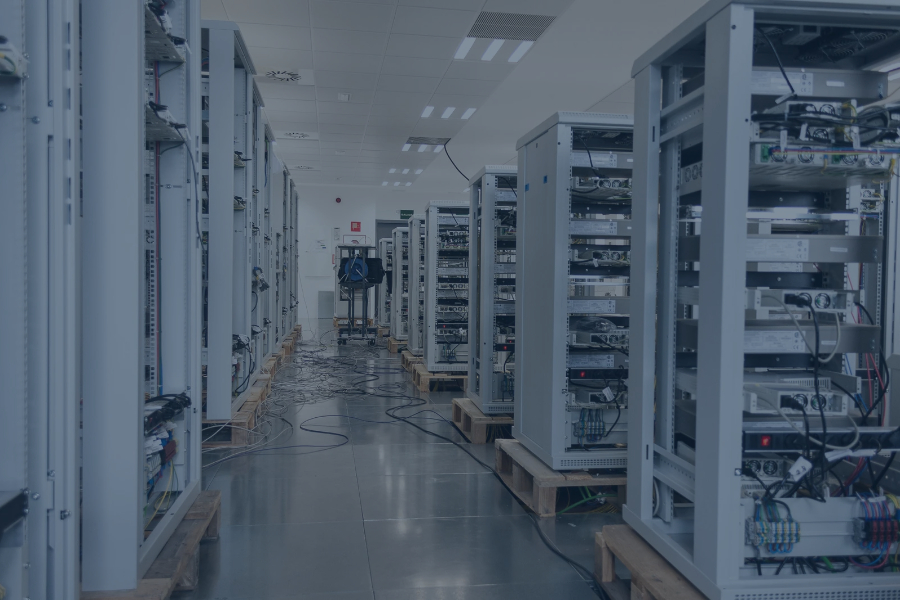
Retiring a server room, consolidating IT infrastructure, or closing an entire data center requires careful coordination. From equipment inventories and data migration to secure removal and recycling, there are numerous tasks to complete before a project can be considered finished.
EACR Inc. provides data center decommissioning services to help organizations securely remove, transport, and recycle retired IT equipment.
Use the checklist below to organize your project and track the tasks that need to be completed.
Data Center Decommissioning Checklist
Work through these nine categories and adjust the checklist to your facility, equipment, timeline, and security requirements.
1. Project Planning and Coordination
- Define the project scope, including whether you’re closing an entire facility or retiring specific equipment.
- Establish the project timeline, budget, and completion deadline.
- Assign responsibilities to IT, facilities, security, and project management teams.
- Identify third-party vendors and decommissioning providers.
- Confirm facility access restrictions, security requirements, and permitted working hours.
- Establish equipment shutdown windows and acceptable downtime.
- Review applicable lease obligations, facility requirements, and project deadlines.
2. Equipment Inventory and Asset Tracking
- Inventory all servers, storage arrays, network switches, routers, and other IT equipment.
- Identify server racks, cabinets, UPS systems, batteries, and power distribution units (PDUs).
- Document cooling equipment, power cables, network cabling, and supporting infrastructure.
- Record available serial numbers, asset tags, and equipment locations.
- Identify all data-bearing devices, including hard drives, SSDs, loose drives, and removable storage media.
- Compare the equipment inventory against existing IT asset management records.
- Identify leased hardware and equipment owned by third parties.
- Assign an intended destination to each asset, including reuse, relocation, recycling, or destruction.
3. Data Backup, Migration, and Retention
- Identify active applications, databases, virtual machines, and other systems running on retiring equipment.
- Document dependencies between the equipment being retired and systems that will remain operational.
- Complete necessary backups of business-critical data.
- Verify backup integrity and confirm that data can be successfully restored.
- Migrate active workloads to replacement servers, cloud platforms, or other approved environments.
- Archive historical records that must remain accessible after equipment retirement.
- Review applicable data retention requirements, legal holds, and internal information security policies.
- Obtain written confirmation that migrations are complete and required data remains accessible.
4. Data Destruction and Security Requirements
Before equipment removal, establish appropriate media sanitization procedures. The NIST SP 800-88 Revision 2 Guidelines for Media Sanitization provide guidance for selecting and verifying suitable methods.
- Identify servers, storage devices, and other equipment containing confidential or regulated information.
- Determine which storage media require verified data erasure or physical destruction.
- Confirm whether data destruction must occur on-site or can be completed off-site.
- Establish secure storage and handling procedures for drives awaiting destruction.
- Arrange appropriate data destruction services and confirm scheduled activities.
- Establish requirements for destruction verification, certificates, and supporting records.
5. Equipment Shutdown and Physical Removal
- Obtain final authorization to shut down the designated IT equipment.
- Confirm that essential applications and services no longer depend on retiring systems.
- Shut down servers, storage systems, and networking equipment according to approved procedures.
- Arrange safe electrical disconnection by qualified personnel.
- Disconnect and label applicable power cables, network cables, and other connections.
- Remove designated servers, storage arrays, switches, routers, and other hardware.
- Remove approved server racks, cabinets, and supporting infrastructure.
- Update asset inventory records as equipment is disconnected and removed.
6. Equipment Transportation and Collection
EACR Inc. operates its own fleet of trucks and trailers to support commercial electronics collections and larger data center equipment removal projects.
- Confirm equipment pickup dates and transportation arrangements.
- Prepare suitable pallets, packaging materials, equipment carts, or other handling supplies.
- Secure fragile electronics and data-bearing equipment for transportation.
- Arrange loading dock access, freight elevator availability, and lifting assistance where needed.
- Complete equipment handoff records.
- Confirm that collected equipment matches the approved removal inventory.
7. Equipment Recycling and Final Disposition
- Identify functional equipment approved for reuse, relocation, or redistribution.
- Confirm which retired assets are designated for electronics recycling.
- Identify batteries and other components requiring specialized handling, and follow recycler instructions.
- Verify that data-bearing equipment has completed the required sanitization or destruction procedures before final disposition.
- Arrange appropriate electronics recycling services for servers, networking equipment, cables, and other retired hardware.
- Confirm that applicable recycling and equipment disposition requirements have been addressed.
- Document the final disposition of each tracked asset.
8. Final Documentation and Project Closeout
- Reconcile the final asset inventory against collected and processed equipment.
- Investigate missing, unmatched, or incorrectly documented assets.
- Obtain applicable certificates of data destruction.
- Obtain applicable certificates of recycling.
- Confirm that all equipment included in the approved removal scope has been accounted for.
- Complete any required facility walkthrough, final inspection, or equipment handover.
- Store project documentation according to the organization’s retention and recordkeeping policies.
9. Additional Checklist for Complete Data Center Closures
This final category applies to full facility closures or projects requiring property restoration and handover. These responsibilities may fall outside the electronics recycling provider’s scope.
- Confirm which infrastructure must remain under the lease or property agreement.
- Complete all required equipment, rack, and cabling removal.
- Arrange any necessary facility restoration, cleaning, or repairs.
- Complete the final inspection with the property owner or facility manager.
- Return facility keys, access cards, credentials, and other required property.
Finish Your Data Center Decommissioning With EACR Inc.
Completing this checklist helps ensure that equipment inventories, data migration, security requirements, hardware removal, recycling, and final documentation have all been addressed.
EACR Inc. offers professional data center decommissioning services, including equipment removal, secure transportation, data destruction, and responsible electronics recycling.
Whether you’re retiring individual server racks or closing a larger facility, contact EACR Inc. at (732) 370-4100 to discuss your equipment quantities, project scope, and collection requirements.