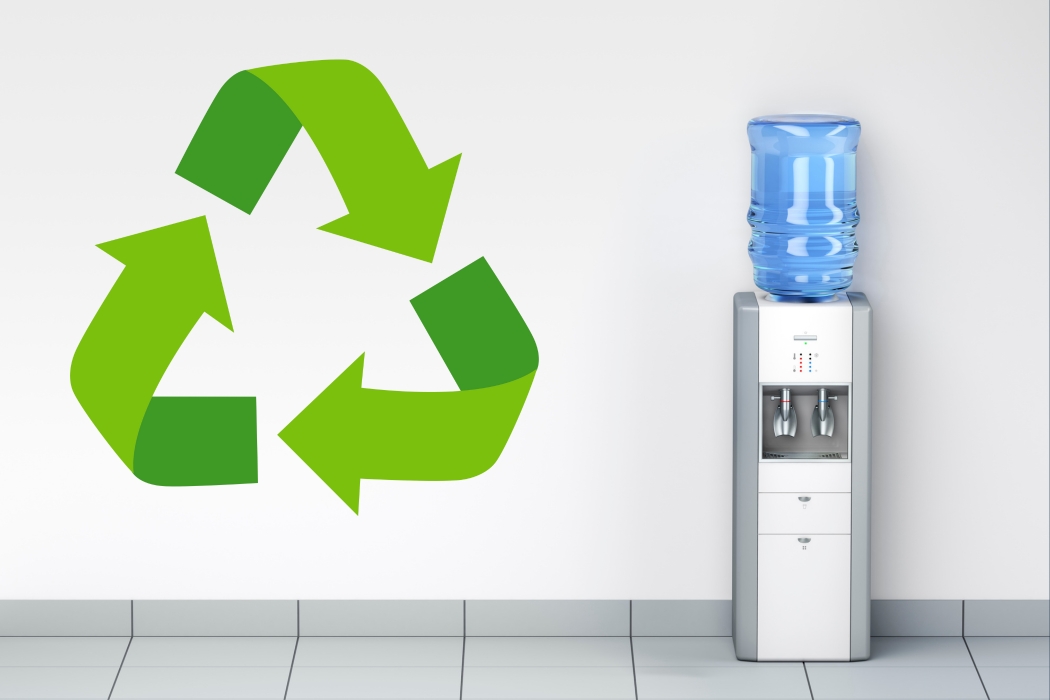
Water cooler recycling matters more than most people realize. Water coolers are everywhere—offices, schools, gyms, medical facilities, and even homes—and when they stop working, many people assume they can be tossed like regular trash. They can’t.
Water coolers are electronic appliances. Inside each unit are metals, wiring, circuit boards, motors, and often a compressor or refrigerant system. These components make water coolers part of the electronic waste stream, not household garbage. Recycling them properly helps reduce e-waste, prevents environmental damage, and keeps reusable materials in circulation. EACR Inc. provides licensed electronics recycling services for businesses, and institutions that need a responsible way to dispose of old water coolers.
Why Water Coolers Can’t Be Thrown Away
Water coolers qualify as electronic waste because of the electronics, wiring, and mechanical systems built into them. Many models also include refrigeration components, which place them under appliance disposal rules that prohibit landfill dumping.
Throwing a water cooler in the trash can lead to serious issues, including refrigerant leaks, metal contamination, and potential fire or environmental hazards. Compressors, power supplies, and internal electronics are not designed for standard waste streams. In many states, appliances containing compressors or electronic components are restricted from landfill disposal, making recycling the correct and compliant option.
Types of Water Coolers That Can Be Recycled
Bottled Water Coolers
Top-load and bottom-load bottled water coolers are among the most common units recycled. These machines contain cooling systems, electronic controls, internal wiring, and metal frames that require proper electronics recycling.
Point-of-Use (POU) / Plumbed-In Water Coolers
POU water coolers are direct-connect units frequently used in offices, hospitals, and commercial buildings. They include internal filtration systems, electronics, sensors, and wiring that must be handled through licensed recycling channels.
Hot & Cold Combination Water Coolers
Hot and cold units are more complex than basic dispensers. They include heating elements, cooling compressors, and multiple electronic control systems, all of which classify them as regulated electronic appliances.
Countertop & Compact Water Dispensers
Smaller countertop water coolers may look simple, but they still contain electronics, wiring, and power components that make them unsuitable for trash disposal.
Commercial & Industrial Water Coolers
Heavy-duty water coolers used in factories, gyms, schools, and public facilities are fully recyclable. These units often contain larger compressors, reinforced frames, and higher-capacity electrical components.
What’s Inside a Water Cooler?
Common Recyclable Materials
Water coolers contain a range of reusable materials that can be recovered through proper recycling, including steel and aluminum frames and panels, copper tubing and wiring, motors, compressors, and pumps. Hot and cold models also include heating elements, while most modern units rely on circuit boards and electronic controls to regulate temperature and operation.
Electronic & Regulated Components
In addition to recyclable metals, water coolers often include regulated components that require specialized handling. These may include refrigerant in cooled units, capacitors and power supplies, internal wiring and control boards, and filters or sensors depending on the model. Proper recycling ensures these components are removed and processed safely rather than ending up in landfills.
How Water Cooler Recycling Works
Water cooler recycling follows a structured process designed to safely remove regulated components and recover reusable materials. Whether you’re recycling a single unit or clearing out dozens from a facility, the steps are straightforward and built around safety, compliance, and efficiency.
Step 1: Collection or Pickup
Individuals can use drop-off options where available, while businesses, schools, gyms, and institutions typically schedule pickups. Bulk removal is common during equipment upgrades or renovations, and multi-location support makes it easier for organizations managing water coolers across multiple buildings.
Step 2: Depollution
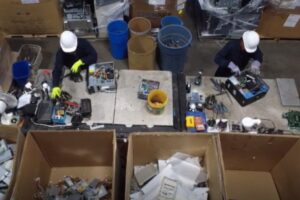
Once collected, water coolers are prepared for recycling. Refrigerant is safely removed when present, and electronic or regulated components are separated. This step prevents leaks, fire risks, and environmental contamination before any dismantling begins.
Step 3: Disassembly
The unit is taken apart so metals, electronics, plastics, and internal components can be separated into clean material streams. Disassembly ensures each material type can be processed correctly instead of being mixed or wasted.
Step 4: Material Recovery
Recovered metals are processed for reuse, while electronics are routed through licensed electronics recycling channels. Remaining materials are handled according to downstream recycling capabilities, keeping as much material out of landfills as possible.
Benefits of Recycling Water Coolers
Recycling water coolers reduces electronic and appliance waste in landfills while preventing refrigerant and component leaks that can harm the environment. It keeps reusable metals and materials in circulation and supports responsible appliance disposal as workplaces, schools, and facilities upgrade or replace equipment.
Can You Recycle Broken or Non-Working Water Coolers?
Yes—condition does not matter. Water coolers that are leaking, no longer cooling, missing parts, or simply outdated are still fully recyclable. Recycling focuses on material recovery, not whether the unit still functions.
Commercial & Institutional Water Cooler Recycling
Water cooler recycling is especially important for organizations that replace equipment regularly. This includes office buildings and corporate campuses, schools and universities, hospitals and healthcare facilities, gyms and fitness centers, municipal buildings, and property managers overseeing multiple sites.
Services typically include bulk removal, scheduled pickups, and coordination during renovations or equipment upgrades to minimize disruption and simplify disposal.
How to Prepare a Water Cooler for Recycling
Preparing a unit is simple. Unplug the water cooler from power, drain any remaining water, and remove external bottles or filters if applicable. Do not dismantle the unit yourself—internal components are handled by recyclers. Secure loose cords before pickup or transport to make handling easier.
Water Cooler Recycling FAQs
Can water coolers go in the trash?
No. Water coolers contain electronics, metals, and often refrigeration components that qualify as electronic or appliance waste. These materials must be recycled through proper channels and should never be placed in regular trash.
Do water coolers contain refrigerant?
Many water coolers do, especially models with active cooling systems. Refrigerant must be safely removed during recycling to prevent leaks and environmental damage.
Are bottled and plumbed-in water coolers recycled differently?
The overall recycling process is similar, but plumbed-in units may include additional filtration systems, sensors, or electronic controls that require separate handling during recycling.
Can leaking or damaged water coolers be recycled?
Yes. Water coolers that are leaking, damaged, or no longer functioning are still fully recyclable. Recycling focuses on material recovery, not whether the unit works.
Do you accept commercial-grade water coolers?
Yes. Commercial and industrial water coolers used in offices, gyms, hospitals, and public facilities are accepted through licensed electronics recycling programs.
Can offices and schools schedule bulk pickups?
Absolutely. Offices, schools, and institutions can schedule bulk pickups or coordinated removals during upgrades, renovations, or equipment replacements.
Schedule Water Cooler Recycling With EACR Inc.
If you’re ready to recycle a water cooler, EACR Inc. offers responsible electronics recycling for businesses, schools, and institutions. Bulk pickups and ongoing e-waste containers are available to support single locations or large portfolios. Contact us today.