Watch batteries are small, easy to forget about, and often end up sitting in drawers, bins, jewelry boxes, or trash cans.
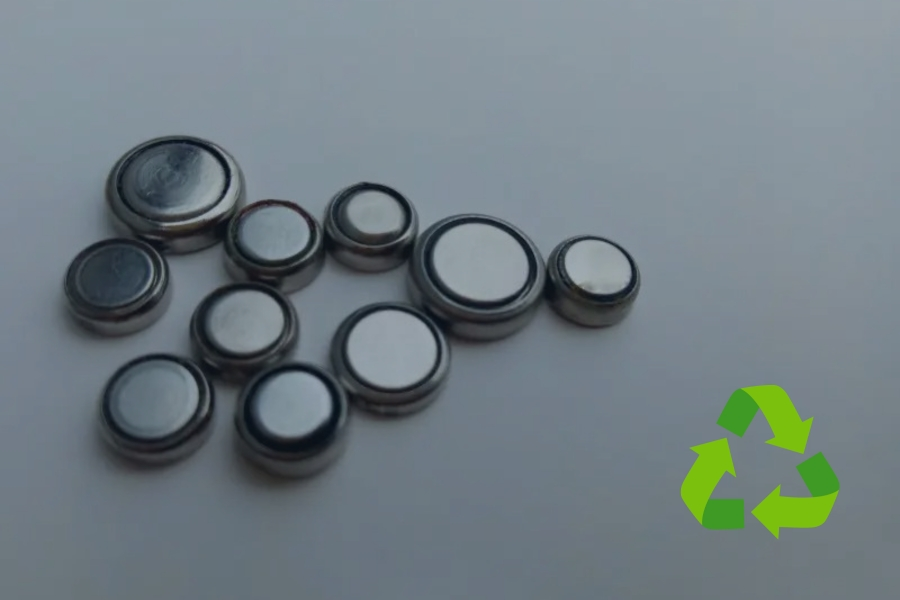
Most watch batteries are button cell batteries or coin cell batteries. They are thin, compact batteries used in watches, calculators, key fobs, hearing aids, fitness trackers, small medical devices, and other compact electronics.
Recycling watch batteries depends on a few things: the battery chemistry, whether the battery is damaged, and how many batteries you need to recycle. A single used watch battery from home is one thing. A full collection container from a jewelry store, school, retailer, or facility is a different situation.
EACR Inc. helps businesses, organizations, and collection programs manage battery recycling safely, including proper handling, pickup coordination, and recycling documentation.
Quick Answer: How to Recycle Watch Batteries
Most watch batteries can be recycled through one of four routes:
- Battery drop-off programs
- Electronics recycling collection containers
- Jewelry or watch repair shop collection programs
- Scheduled pickup for businesses or bulk battery quantities
Small household quantities can usually go to a local drop-off program. If you are managing business quantities, mixed button cells, or larger battery collection bins, a structured recycling program is usually the safer and cleaner option.
What Counts as a Watch Battery?
Watch batteries come in several types and sizes. Knowing what you have helps you choose the right recycling route.
Common Watch Battery Types
Common watch battery types include:
- Button cell batteries
- Coin cell batteries
- Silver oxide batteries
- Lithium coin cell batteries
- Alkaline button cell batteries
- Zinc-air batteries
- Mercury-containing older watch batteries
- Rechargeable watch batteries
Silver oxide and lithium coin cell batteries are especially common in watches and small electronics. Older watches may still contain mercury-containing batteries, which should be handled carefully and routed through appropriate recycling channels.
Common Watch Battery Sizes and Codes
Watch batteries are often identified by small codes stamped on the battery or listed in the watch manual.
Common examples include:
- SR626SW / 377
- SR621SW / 364
- SR920SW / 371
- CR2016
- CR2025
- CR2032
- LR44 / AG13
- 395 / 399
- 321
- 362
- 370
The code matters because it can indicate the battery size and chemistry. For example, many “SR” batteries are silver oxide, many “CR” batteries are lithium coin cells, and many “LR” batteries are alkaline button cells.
Why Battery Type Matters
Battery type affects how the battery should be handled, stored, transported, and recycled.
It can influence:
- Handling
- Storage
- Terminal protection
- Drop-off eligibility
- Recycling process
- Documentation for businesses
This is why a few loose button cells from a home drawer are handled differently than a full container of mixed watch batteries from a retail counter or repair shop.
Option 1: Battery Drop-Off Programs
Battery drop-off programs are often the easiest option for small quantities of used watch batteries.
When This Option Fits
This option is best for:
- A few used watch batteries
- Intact button cells
- Intact coin cells
- Household quantities
If the batteries are not leaking, swollen, crushed, or mixed with a large volume of other batteries, a drop-off location may be enough.
Where People Commonly Drop Off Watch Batteries
People commonly bring used watch batteries to:
- Battery recycling collection bins
- Electronics recycling companies
- Community recycling programs
- Watch repair shops
- Jewelry stores
- Retail battery take-back locations
Before dropping them off, confirm that the location accepts button cell or coin cell batteries. Not every collection point takes every battery type.
Common Gotchas
Some locations may not accept:
- Leaking batteries
- Damaged batteries
- Old mercury-containing batteries
- Large mixed quantities
- Unlabeled bulk containers
If you are not sure what type of batteries you have, or if any are damaged, keep them separated and ask the recycling provider before transport.
Option 2: Electronics Recycling Collection Programs
Electronics recycling programs can be a convenient option when watch batteries are being collected with small devices or other electronics.
When This Option Makes Sense
This works well when watch batteries are collected alongside:
- Small electronics
- Smartwatches
- Fitness trackers
- Calculators
- Hearing aids
- Key fobs
- Medical devices
- Other coin or button battery devices
This is common during office cleanouts, school recycling events, municipal collections, and retail collection programs.
Why This Option Is Convenient
Electronics recycling collection programs help keep small batteries out of regular trash while giving businesses one clear route for small electronics and batteries.
That means fewer separate bins, fewer vendor questions, and less confusion for employees or customers.
This approach can be especially helpful during office cleanouts, retail collections, school collections, facility upgrades, and community e-waste events.
Option 3: Scheduled Pickup for Bulk Quantities
Scheduled pickup is usually the better option when watch batteries are collected in bulk or across multiple locations.
Best-Fit Scenarios
Scheduled pickup is often best for:
- Jewelry stores
- Watch repair shops
- Retailers
- Schools
- Hospitals
- Municipalities
- E-waste collection events
- Facilities with battery collection bins
- Multi-site organizations
These settings can generate a steady stream of button cells, coin cells, and small specialty batteries. Once those batteries accumulate, a pickup program is usually more practical than sending staff to multiple drop-off locations.
Why Pickup Reduces Headaches
Pickup services make watch battery recycling easier when batteries are being collected in bulk or across multiple locations.
Instead of letting loose button cells and coin cells pile up in drawers, bins, or back rooms, pickup gives the process a clear path.
It helps with:
- Better sorting
- Controlled handling
- Less loose battery accumulation
- Easier documentation
- Cleaner compliance process
- Safer handling for mixed or damaged batteries
For businesses, this is the big difference. You are not just getting rid of batteries. You are creating a repeatable process that staff can follow without guessing.
How to Prepare Watch Batteries for Recycling
Watch battery recycling goes much smoother when the batteries are sorted, staged, and labeled before collection.
Step 1: Inventory What You Have
Start by separating batteries by type when possible:
- Button cells
- Coin cells
- Lithium coin cells
- Silver oxide cells
- Alkaline button cells
- Rechargeable cells
- Damaged or leaking batteries
- Unknown or older batteries
Businesses should also note:
- Quantity
- Source location
- Whether batteries are loose or packaged
- Any damaged or leaking units
You do not need to overcomplicate it. The goal is to know what you have, where it came from, and whether anything needs special handling.
Step 2: Stage Safely
Store watch batteries in a way that prevents mess, damage, and accidental contact.
Keep batteries dry. Store them in a secure container. Do not mix them with loose metal items like screws, coins, keys, or tools. Keep them away from heat.
Damaged or leaking batteries should be separated right away. Do not throw them into the same container as intact batteries.
Step 3: Package and Label
Label containers clearly before pickup or drop-off.
Include:
- Battery type
- Quantity or estimated count
- Condition
- Collection site or location
- Date collected
For lithium coin cells, terminal protection may be recommended. This helps reduce the chance of accidental contact during storage or transport.
Safety Basics
Watch batteries are small, but that does not mean they are harmless.
Why Watch Batteries Are Not Normal Trash
Even small batteries can create issues if they are mishandled.
Potential risks include:
- Short circuits
- Leaks
- Heat generation
- Chemical exposure
- Swallowing hazards for children and pets
That last point matters. Button cells and coin cells are especially dangerous if swallowed, so they should never be left loose where children or pets can reach them.
The Safest Default Rules
Use these rules as your baseline:
- Keep batteries away from children and pets
- Do not crush or puncture batteries
- Do not store loose batteries with metal objects
- Separate damaged or leaking batteries
- Keep containers dry and clearly labeled
Simple handling habits prevent most problems.
Rules and Compliance
Watch battery recycling requirements are not always the same everywhere. They can vary depending on what type of batteries you have and how they are being transported.
Why Requirements Vary
Requirements may depend on:
- Battery chemistry
- Quantity
- Condition
- State rules
- Transportation method
A few intact batteries from a household drawer are different from a full container of mixed button cells from a jewelry store, school, hospital, or collection event.
Why Businesses Need Documentation
For businesses, documentation is part of responsible recycling.
Records help support:
- Internal audits
- Vendor management
- Sustainability reporting
- Environmental compliance
Good records also make it easier to answer basic questions later, like what was picked up, when it was removed, and where it was sent.
Records to Keep
Businesses should retain:
- Pickup records
- Service dates
- Battery counts or weight
- Battery type notes
- Condition notes
- Certificates of recycling
For multi-site organizations, keep records by location. That makes tracking much easier if batteries are collected from different branches, departments, or facilities.
What Happens After Collection?
Collected watch batteries are typically:
- Sorted by chemistry and type.
- Routed to appropriate downstream processors.
- Processed to recover reusable materials.
- Managed through approved recycling channels.
Different watch batteries may follow different recycling paths. Lithium coin cells, silver oxide button cells, alkaline button cells, rechargeable batteries, and older mercury-containing batteries all require appropriate routing.
Frequently Asked Questions About Watch Battery Recycling
Can watch batteries go in the trash?
Recycling is preferred, especially for lithium, silver oxide, rechargeable, or older batteries. If you are unsure, use a battery recycling program instead of throwing them away.
Are button cell batteries recyclable?
Yes. Many recycling programs accept button cell batteries.
Are coin cell batteries recyclable?
Yes. Coin cell batteries are commonly accepted through battery recycling programs.
What type of battery is usually in a watch?
Many watches use silver oxide button cells, alkaline button cells, or lithium coin cells. The exact type depends on the watch.
Can jewelry stores recycle watch batteries?
Some do, especially if they replace watch batteries. Always confirm first before bringing batteries in.
What should businesses do with bulk watch batteries?
Bulk quantities should be inventoried, labeled, safely stored, and routed through a battery recycling program. Pickup is usually the best option for larger volumes.
How should leaking watch batteries be handled?
Separate them immediately, avoid direct contact, label them clearly, and route them through appropriate recycling channels. Do not mix leaking batteries with intact batteries.
Recycle Your Batteries Today
Watch battery recycling starts with identifying the battery type, separating damaged batteries, choosing the right recycling route, and keeping basic records.
Small quantities can often go through drop-off programs, watch repair shops, jewelry stores, or electronics recycling collection programs.
Business quantities need a more organized process, including sorting, packaging, pickup, and documentation.
EACR Inc. can help businesses and organizations manage complete battery recycling, collection programs, pickups, and documentation.