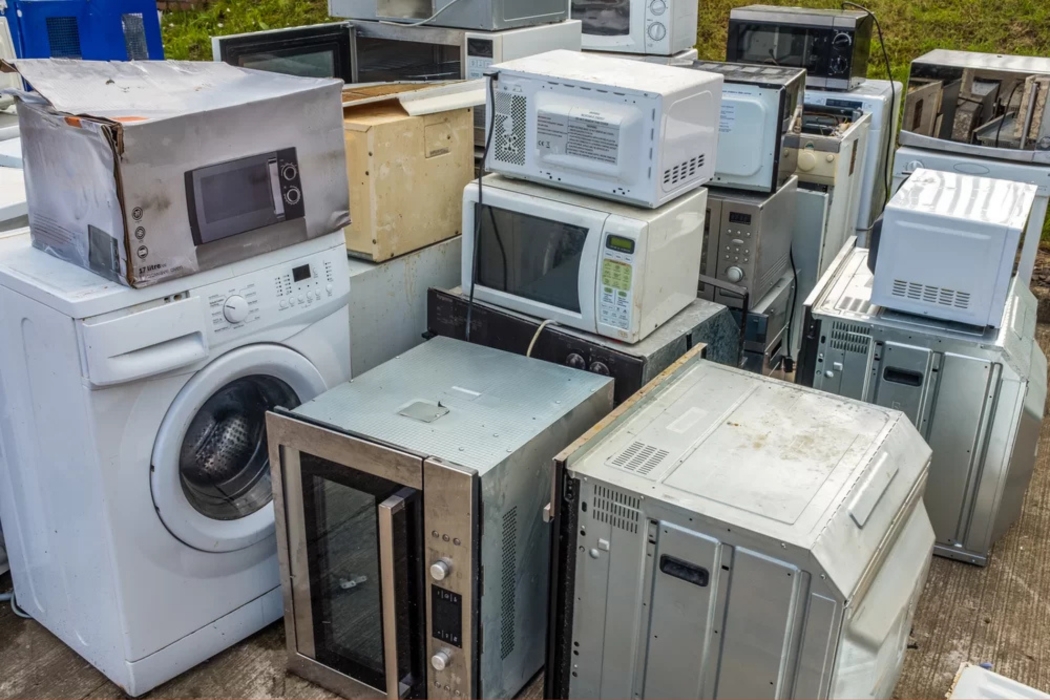
Washer and dryer recycling is more important than most people realize. These appliances are big, heavy, packed with metal and wiring, and they take a real toll on the environment if they end up in a landfill. Modern washers and dryers also contain electronic components, motors, and sometimes oils or capacitors that require regulated handling—not casual curbside disposal.
Many states now have strict rules about how large appliances must be discarded, and throwing one away illegally can lead to fines. Recycling is not only the compliant option, but also the most sustainable and efficient way to recover the metals and components inside.
If you’re upgrading appliances at home or replacing large volumes of equipment at a business, EACR Inc. makes electronics recycling simple, and convenient with scheduled pickups, bulk collection options, and safe processing.
Why Washers and Dryers Can’t Be Thrown Away
Large appliances aren’t allowed in the trash for several reasons—most tied to safety, environmental protection, and scrap metal regulations.
First, washers and dryers contain hazardous components, including oils, wiring, capacitors, and (in some modern combo units) even refrigerants used in heat pump drying systems. These must be removed and processed through a licensed recycling facility.
Second, today’s machines hide heavy metals and electronics inside their frames. Between circuit boards, motors, heating elements, and copper wiring, these appliances qualify as regulated electronic waste in many states.
Finally, both state and federal disposal rules prohibit landfilling appliances because of the risk of chemical leaks, metal contamination, and fire hazards. Recycling is the only method that meets compliance standards and prevents environmental harm.
What’s Inside a Washer or Dryer?
Understanding what’s inside these machines explains why proper recycling is necessary—and why so many materials can be recovered and reused.
Common Recyclable Materials
Washers and dryers contain a surprising amount of reusable metal and reusable components, including:
- Steel and aluminum from the body, drum, and frame
- Copper wiring throughout the motor assembly
- Motors, pumps, and heating elements that can be dismantled for materials
- Circuit boards found in modern high-efficiency units and smart-control panels
These materials are separated, processed, and returned to the manufacturing supply chain.
Hazardous or Regulated Components
Alongside the recyclable parts, many washers and dryers also contain components that need regulated handling:
- Capacitors that must be discharged and removed safely
- Electronic control boards with metals and chemicals
- Oil from transmissions in older top-loading washers
Recycling ensures each of these materials is dealt with properly rather than ending up in a landfill.
How Washer and Dryer Recycling Works
Washer and dryer recycling follows a straightforward process that keeps reusable metals in circulation and prevents hazardous components from ending up in a landfill. Here’s how the appliance recycling process works from start to finish.
Step 1 — Collection or Pickup
The first step is getting the appliance to a licensed recycler. Businesses often schedule bulk pickups, especially when replacing multiple units at once—like hotels, laundromats, apartment buildings, or college dorms. Homeowners can use residential drop-off options or request a single-appliance pickup depending on their area.
Step 2 — Safe Depollution
Before any dismantling happens, recyclers remove anything that could be hazardous or regulated.
This includes:
- Oils from older washer transmissions
- Wiring and electronic components
- Capacitors or control boards
Depollution ensures everything is handled safely and keeps contamination out of the environment.
Step 3 — Disassembly
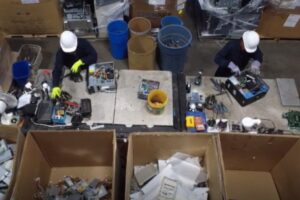
Once the hazardous materials are removed, technicians take the appliance apart piece by piece. Metals, plastics, electronics, and internal components are separated into clean material streams so each part can be recycled efficiently.
H3: Step 4 — Material Recovery
After disassembly, each material type goes through its own recycling stage:
- Steel shredding to prepare it for reuse
- Copper and aluminum extraction from wiring, motors, and pumps
- Circuit board recycling to recover metals and electronic components
This final stage turns an old, bulky appliance into reusable scrap material ready to re-enter manufacturing.
Benefits of Recycling Washers and Dryers
Washer and dryer recycling isn’t just about proper disposal—it has real environmental and economic benefits.
Reduces Landfill Waste
A single washer or dryer can take up massive space in a landfill and never fully break down. Recycling eliminates that waste entirely.
Conserves Metal Resources
These appliances are packed with steel, copper, and aluminum. Recycling keeps those materials in circulation instead of mining new ones.
Prevents Hazardous Leaks
Oils, capacitors, and electronics can leak chemicals into soil and water if dumped illegally. Recycling prevents those issues.
Supports Sustainable Manufacturing
Recovered metals and components help manufacturers reduce their environmental footprint and reliance on raw materials.
Can You Recycle Broken or Old Appliances?
Yes—you can recycle any washer or dryer, no matter the age or condition.
Even appliances that are:
- Rusted
- Missing parts
- Not working
- Bent or crushed
Washer and dryer recycling focuses on material recovery, not functionality, so nothing has to be repaired before drop-off.
Commercial Washer & Dryer Recycling
Commercial spaces go through washers and dryers more quickly than homeowners, which means recycling matters even more for large facilities.
This service is ideal for:
- Laundromats
- Hotels and resorts
- Apartment complexes
- Universities
- Gyms and fitness centers
With scheduled pickup programs, businesses can streamline removal during renovations or equipment upgrades. EACR Inc. also handles large quantities or multi-location collections, making it easy for chains or property groups to manage recycling across different sites.
How to Prepare Your Washer or Dryer for Recycling
Getting your appliance ready takes just a few minutes. Here’s a simple checklist to follow.
- Disconnect electricity and water safely before moving the unit.
- Remove any personal items left inside the drum—socks, coins, dryer sheets, etc.
- Secure loose cords and hoses to make transport easier.
- Do not remove any internal parts. EACR Inc. handles full depollution and disassembly.
Schedule a Washer or Dryer Pickup With EACR Inc.
Washer and dryer recycling is simple when you schedule a pickup through EACR Inc. Whether you’re replacing a single residential appliance or clearing out multiple units from a business, the process is fast, compliant, and hassle-free.
How to Request Service
You can schedule a pickup directly through EACR Inc.’s contact form or by calling the team. Just share a few details—your location, the type of appliances you’re recycling, and whether you need single-unit or bulk collection.
Service Area Details
EACR Inc. provides appliance recycling services throughout the region, supporting businesses, schools, property managers, and commercial facilities. Local regulations vary, but EACR ensures every washer and dryer is processed in full compliance with all applicable regulations.
Container Programs and Bulk Disposal Support
For businesses with ongoing disposal needs—like apartments, hotels, laundromats, or universities—EACR Inc. offers:
- On-site e-waste collection containers
- Scheduled pickup programs
- Multi-location removal support
- Palletized or bulk appliance handling
Ready to recycle your old electronics? Schedule your washer and dryer recycling pickup with EACR Inc. today. Use the booking page or contact form to get started, and a team member will help you choose the right service for your business.
Recycling through EACR Inc. is the fastest, safest, and most compliant way to dispose of large appliances—without the hassle of hauling them yourself.
Frequently Asked Questions
1. Can washers and dryers be thrown in the trash?
No. Large appliances contain metals, wiring, oils, and electronic components that must be recycled through licensed facilities. Many states also prohibit landfill disposal.
2. Do washers or dryers contain hazardous materials?
Yes. Older washers may contain oils in their transmissions, and modern dryers often include electronic control boards and capacitors that require regulated handling.
3. Can you recycle broken or non-working washers and dryers?
Absolutely. Appliances don’t need to function—units that are rusted, damaged, stripped for parts, or completely dead can still be fully recycled.
4. Do washers or dryers store personal data?
Standard models do not store personal information, but smart Wi-Fi–enabled appliances may hold basic settings or usage logs. Recycling ensures all internal electronics are handled properly.
5. Do you recycle commercial-grade machines?
Yes. Commercial washers and dryers from laundromats, hotels, gyms, apartment buildings, and universities are accepted. Bulk and palletized pickups are available.
6. Should I remove parts before recycling?
No. Leave all internal components intact. EACR Inc. handles full dismantling, depollution, and material separation.
7. How should I prepare my appliance for pickup?
Disconnect power and water lines, empty the drum, and secure cords or hoses. No other prep is required.
8. Do you pick up appliances from businesses?
Yes. EACR Inc. offers bulk business collections, and ongoing container programs depending on your location.