Why Smoke Detector Recycling Matters
Smoke detector recycling matters because these life-saving devices don’t last forever—and millions reach end of life every year. Conflicting advice about whether to trash, recycle, or return detectors leads to unsafe handling and unnecessary risk. This guide breaks it down clearly: the types of smoke detectors, what’s inside them, when they should be replaced, why recycling is the lowest-risk option, and how smoke detector recycling actually works.
What is a Smoke Detector?
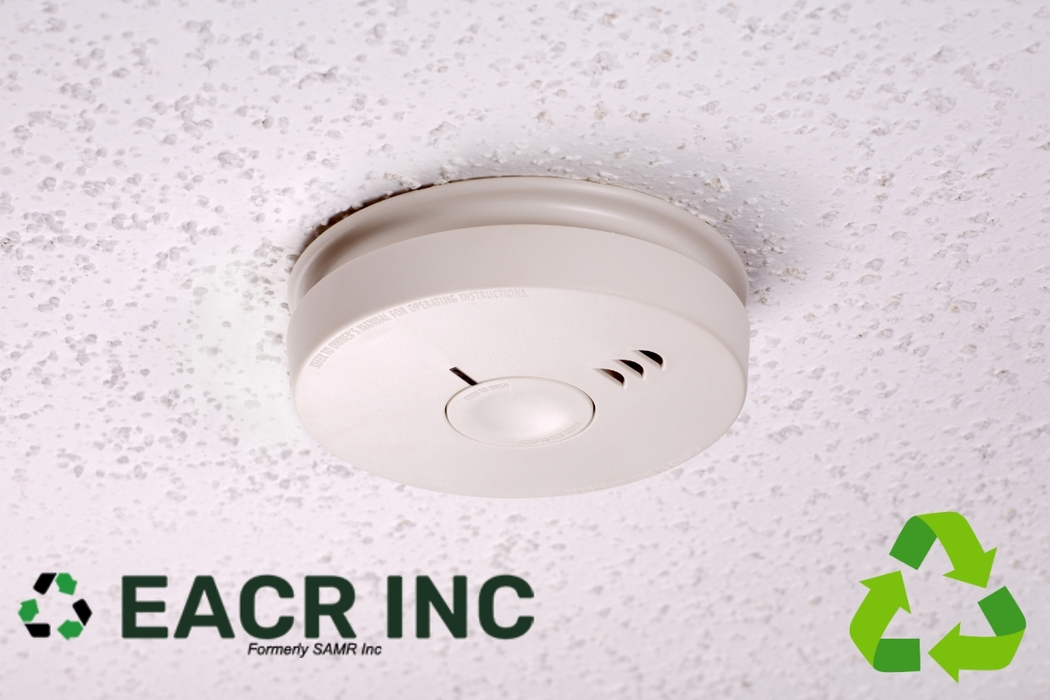
Smoke detectors are early-warning devices designed to alert occupants to fire conditions before smoke becomes deadly. Because they directly impact life safety, most states and local jurisdictions legally require smoke detectors in homes, apartments, and commercial buildings. Unlike carbon monoxide detectors—which sense an invisible gas—smoke detectors respond to airborne particles produced by fire.
Types of Smoke Detectors You’ll Encounter
Ionization Smoke Detectors
Ionization detectors are built to respond quickly to fast-flaming fires. They contain a very small amount of americium-241, a radioactive material used to detect changes in air flow caused by smoke. That radioactive component is what makes disposal confusing and why these detectors are frequently mishandled at end of life.
Photoelectric Smoke Detectors
Photoelectric detectors are better at sensing slow, smoldering fires. They do not contain radioactive material, but they still include circuit boards, wiring, and batteries—meaning they qualify as electronic waste and shouldn’t be treated like ordinary trash.
Dual-Sensor Smoke Detectors
Dual-sensor models combine ionization and photoelectric technology in one unit. They’re increasingly common in newer homes and buildings and require the same careful recycling considerations as single-sensor devices.
What’s Inside a Smoke Detector?
Core Components
Most smoke detectors contain a mix of electronic and regulated materials, including circuit boards and sensors, plastic housings, copper wiring, metal contacts, and batteries—either replaceable alkaline or lithium cells, or sealed 10-year batteries. Ionization models also include americium-241, which must remain intact and controlled.
Why These Materials Matter
The electronics inside smoke detectors qualify as regulated e-waste, and the batteries pose real fire and contamination risks if crushed or compacted. Radioactive components in ionization units must never be dismantled. When a smoke detector is recycled properly, plastics and metals can be recovered safely instead of ending up in landfills.
When Should Smoke Detectors Be Replaced?
Most smoke detectors have a typical lifespan of about 10 years. Manufacturers print a date label on the back to indicate when replacement is required. Common warning signs include persistent chirping, error alerts, frequent false alarms, or units that fail basic testing. Expired detectors shouldn’t be stored indefinitely—aging electronics and batteries become more hazardous over time and should be recycled promptly.
Why Smoke Detectors Should Never Be Thrown in the Trash
Smoke detector recycling exists for a reason—these devices contain batteries and electronics that create real risks when tossed into regular trash.
Fire & Safety Risks
Smoke detectors often contain alkaline or lithium batteries. When compacted in garbage trucks or crushed at waste facilities, those batteries can ignite. A growing number of fires in waste trucks and transfer stations are now traced back to small electronics like detectors that were thrown away instead of recycled.
Environmental Impact
When smoke detectors end up in landfills, their electronics and batteries can break down and leach contaminants into soil and groundwater. Plastics used in detector housings don’t biodegrade, meaning they persist indefinitely and contribute to long-term landfill pollution.
Compliance & Liability Concerns
Many municipalities restrict or discourage disposal of battery-containing electronics. Ionization smoke detectors add another layer of concern because they contain regulated radioactive material that must remain intact if recycled. Improper disposal can expose homeowners, landlords, and property managers to unnecessary liability—especially during inspections, renovations, or bulk replacements.
Smoke Detector Recycling vs. Conflicting Disposal Advice
One of the biggest challenges with smoke detector recycling is the mixed guidance people encounter.
Why the Advice Conflicts
Manufacturers, the EPA, and local municipalities often focus on minimum legal disposal requirements rather than best practices. That’s why you’ll see advice ranging from “remove the battery and throw it away” to “return it to the manufacturer.”
The Problem With “Trash It After Removing Batteries”
Removing a battery doesn’t eliminate the risks tied to circuit boards, plastics, or radioactive components. It also assumes every trash system handles electronics safely—which they don’t.
Why Recycling Is the Safest Option
Recycling is the lowest-risk option regardless of detector type. It accounts for batteries, electronics, and special handling requirements in one controlled process instead of pushing risk downstream.
Risk-Based vs. Minimum-Compliance Disposal
Minimum compliance may technically meet local rules, but risk-based disposal focuses on preventing fires, pollution, and long-term liability. Smoke detector recycling aligns with that safer approach.
How Smoke Detector Recycling Works
Step 1: Collection
Recycling starts with proper collection. Individuals can use drop-off options, while apartment buildings, schools, and commercial properties often rely on bulk collection during scheduled detector replacements.
Step 2: Battery Handling
Loose alkaline or lithium batteries are removed when accessible, while sealed 10-year units are handled intact. Fire-risk controls are used throughout this stage to prevent short circuits or ignition.
Step 3: Responsible Material Recovery
Metals are recovered for reuse, electronics are processed through licensed recyclers, and landfill disposal is avoided whenever possible. The goal is material recovery-not landfills.
Can Smoke Detectors Be Recycled With Carbon Monoxide Detectors?
Combination smoke and carbon monoxide units are common, and they can usually be recycled together through electronics recycling programs.
Understanding the Differences
- Ionization smoke detectors contain radioactive material.
- Photoelectric smoke detectors do not, but still contain electronics and batteries.
- CO-only detectors lack radioactive components but still qualify as electronic waste.
Why Mixed Devices Still Require Electronics Recycling
Even without radioactive material, all of these devices contain batteries and circuitry. Recycling them together through proper electronics recycling ensures each component is handled safely and correctly.
How to Prepare a Smoke Detector for Recycling
Before recycling a smoke detector, take a few simple steps. Remove loose batteries if they’re accessible. Leave sealed 10-year units intact. Never attempt to open or dismantle ionization detectors. Store the unit in a cool, dry place until it’s dropped off or collected.
Recycling Options Available Through EACR Inc.
Smoke detector recycling is handled safely and compliantly through EACR Inc.’s licensed electronics recycling programs, whether you’re recycling one unit or hundreds.
For Individuals
EACR Inc. offers convenient smoke detector drop-off recycling for homeowners and tenants. Expired, broken, and sealed 10-year units are all accepted. There’s no need to dismantle devices or guess how they should be handled—batteries and electronics are managed safely as part of the recycling process.
For Property Managers & Institutions
For apartments, schools, healthcare facilities, and commercial buildings, EACR Inc. provides bulk smoke detector recycling during system upgrades or scheduled replacements. Secure collection containers are available, along with documentation that supports compliance, recordkeeping, and audit needs.
Why Work With a Licensed Electronics Recycling Company
Smoke detectors may be small, but they still require professional handling at end of life.
Proper Handling of Batteries and Electronics
Licensed recyclers understand how to manage alkaline, lithium, and sealed batteries alongside electronic components—without creating fire or contamination risks.
Fire-Risk Mitigation
Electronics recycling facilities use controls designed to prevent short circuits and ignition, reducing the risk of fires in waste trucks and processing centers.
Environmental Protection
Recycling keeps batteries, plastics, and metals out of landfills and prevents long-term soil and groundwater contamination.
Clear Accountability
Licensed recycling ensures detectors are processed through approved channels, not dumped, or mishandled.
Reduced Liability
Working with a licensed recycler helps homeowners, landlords, and organizations reduce regulatory and environmental liability tied to improper disposal.
Conclusion: Recycle Smoke Detectors the Right Way
Smoke detectors save lives—but once they expire, they become regulated electronic waste. Improper disposal creates real fire, safety, and environmental risks. Responsible smoke detector recycling protects people, property, and infrastructure while keeping harmful materials out of landfills. Contact EACR Inc. to recycle smoke detectors safely and compliantly.
Smoke Detector Recycling FAQs
Why does my smoke detector keep beeping?
A beeping smoke detector usually signals a low battery, an end-of-life warning, or a fault in the unit. If the detector is near or past its expiration date (typically 10 years), replacement—and proper recycling—is recommended.
How are smoke detectors wired?
Smoke detectors may be battery-powered, hardwired into a building’s electrical system with battery backup, or a combination of both. Regardless of wiring type, expired detectors still contain electronics and batteries that require proper recycling.
How do I recycle smoke detectors properly?
Smoke detectors should not be placed in curbside recycling or regular trash. The safest option is to recycle them through a licensed electronics recycling provider like EACR Inc., which handles batteries, electronics, and special components correctly.
Can sealed 10-year smoke detectors be recycled?
Yes. Sealed 10-year smoke detectors should be recycled intact. Do not attempt to open them—licensed recyclers are equipped to handle these units safely.
Can I recycle smoke detectors during a building upgrade?
Absolutely. Bulk smoke detector recycling is common during renovations, system upgrades, or compliance replacements. Licensed recyclers can provide containers, pickups, and documentation for these projects.