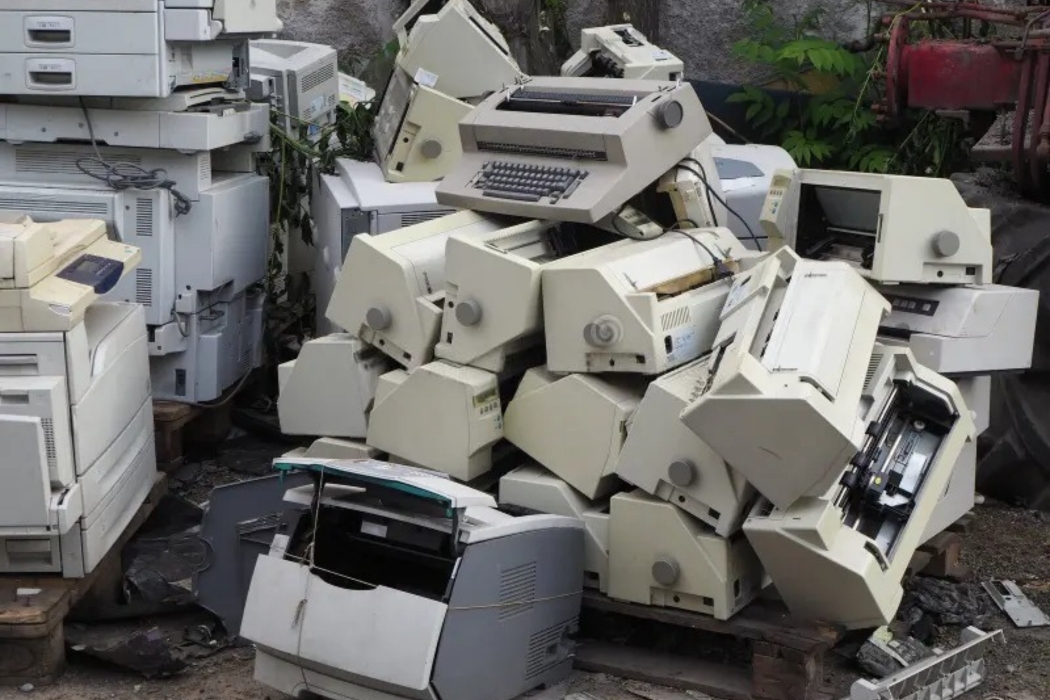
Printer recycling is becoming essential as old devices pile up in offices, schools, businesses, and homes. Printers might seem simple on the outside, but internally they contain metals, plastics, wiring, circuit boards, and cartridges that require proper handling. When these devices are tossed in the trash, they create environmental risks, legal concerns, and even potential data-security issues. Some printers store logs or cached images, and others contain components that must be managed through licensed recycling channels. Choosing a licensed recycler is the responsible, compliant way to ensure every part of the printer is handled safely and kept out of landfills.
Why Printer Recycling Matters
Environmental Risks of Improper Disposal
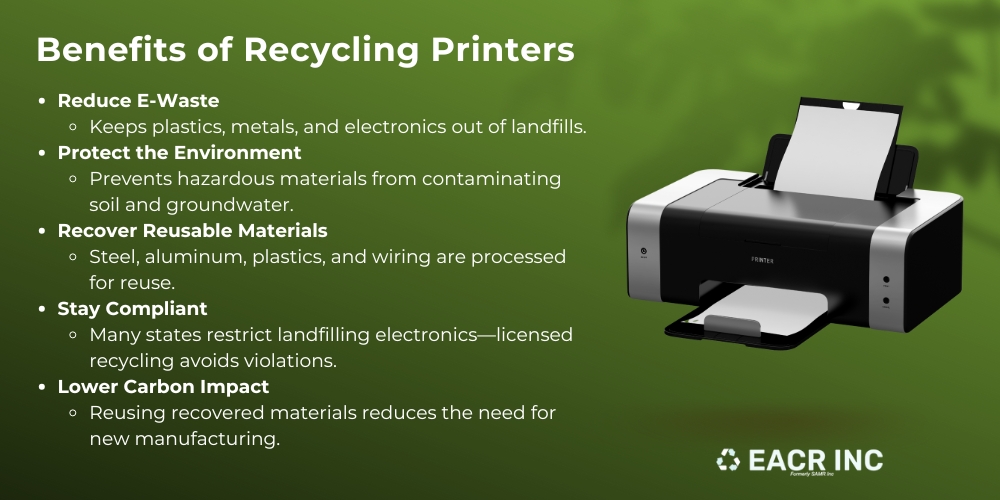
Printers aren’t just plastic shells—they include steel frames, wiring, circuit boards, and chemical residues. When they end up in landfills, these materials can break down and contribute to long-term contamination. Plastics can take decades to decompose, metals can leach into soil and groundwater, and circuit boards contain compounds that must be processed correctly to prevent environmental harm.
Hazardous Components Inside Printers
Inside every printer are electronic components that require licensed recycling. Circuit boards must be processed through proper electronics recycling channels, and toner or ink residues need to be managed to avoid contamination. Throwing a printer in the trash isn’t just unsafe—it often violates disposal laws in many states.
Data Security Considerations
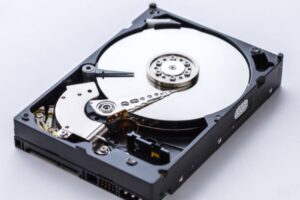
Many modern printers store cached print jobs, scanned images, and network credentials. Even basic office printers may retain information that could pose privacy or security risks if not handled correctly. Licensed recyclers ensure data-bearing components are removed and processed securely, protecting both individuals and businesses.
What’s Inside a Printer?
Plastic & Metal Housing
Printers are built with durable ABS plastics, steel frames, and aluminum components. All of these materials can be recycled when separated and processed properly. Housing materials often make up the bulk of a printer’s weight, and recycling them helps keep reusable resources in circulation.
Circuit Boards & Wiring
Every printer includes internal wiring, small circuit boards, and often a main board that manages connectivity and print functions. These components require licensed electronics recycling due to the materials they contain. They also include reusable metals that can be recovered through proper processing.
Toner & Ink Components
Cartridges, rollers, and imaging drums must be removed before recycling. Toner and ink contain residues that can’t simply be thrown away—they need to be handled separately to prevent contamination. Once isolated, these components can be routed into dedicated recycling streams designed for safe processing.
How Printer Recycling Works
Printer recycling involves several steps designed to safely recover materials and prevent environmental harm. Each stage helps ensure plastics, metals, wiring, and cartridges are processed the right way.
Collection & Transport
Printer recycling starts with proper collection. Units are staged, palletized, or placed into secure containers to prevent damage during transport. Businesses can schedule pickups directly through a licensed recycler, which is especially helpful for offices, schools, and facilities with multiple devices. Safe transport keeps cartridges intact and ensures all components arrive at the facility ready for processing.
Safe Disassembly
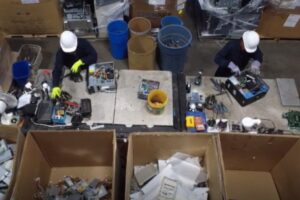
Once printers arrive at the recycling facility, trained technicians disassemble each unit. Plastics, metal frames, wiring, circuit boards, and toner or ink components are separated. This step reduces environmental risk and ensures that each material follows the correct processing path. Disassembly is done carefully to avoid toner spills, damage to boards, or mixing materials that need different recycling methods.
Material Sorting & Reuse
After disassembly, materials are sorted. Plastics, metals, and electronic components are processed for reuse in new products. Toner and ink components move into specialized recycling streams built for safe handling. By separating materials correctly, recyclers keep reusable resources in circulation and reduce what ends up in landfills.
Where to Recycle Printers
There are several reliable options for printer recycling depending on whether you’re a homeowner, business, or large facility with ongoing disposal needs.
Retailer Take-Back Programs
Some retailers offer haul-away or in-store drop-off programs when you purchase a new device. These programs provide a simple solution for consumers getting rid of a single printer.
Municipal E-Waste Events
Local towns and counties often host electronics recycling events. These are convenient for residents who need to dispose of printers without arranging a special pickup.
Licensed Electronics Recyclers
Licensed electronics recyclers are the safest option for printers because they can handle circuit boards, wiring, data-bearing components, and toner or ink residues. EACR Inc. accepts all printer types for licensed processing and ensures every component is managed responsibly.
Bulk Pickups for Businesses
Organizations with multiple printers—offices, schools, warehouses, corporate campuses—benefit from bulk collection. This includes container placement, scheduled pickups, and coordination that fits operational needs.
Why Businesses Choose EACR Inc. for Printer Recycling
Choosing the right partner for printer recycling isn’t just about convenience—it’s about compliance, safety, and responsible material recovery. EACR Inc. provides a streamlined, fully licensed electronics recycling solution built for businesses, schools, and facilities that deal with electronics at scale.
Licensed Handling of Electronic Components
Printers contain circuit boards, wiring, and imaging components that require licensed processing. EACR Inc. handles all electronic parts according to strict state and federal regulations, ensuring safe dismantling and responsible downstream management.
Bulk Collection & Container Programs
For organizations with ongoing equipment turnover, EACR Inc. offers scalable collection options. This includes on-site e-waste containers, scheduled pickups, and coordinated removal for offices, schools, and large facilities with multiple devices.
Documentation
Businesses increasingly need proof of proper recycling for audits and environmental reporting. EACR Inc. provides Certificates of Recycling, helping organizations meet internal ESG goals.
Zero-Landfill Policy for Reusable Materials
Every printer sent to EACR Inc. is processed under a strict zero-landfill policy. Metals, plastics, and electronics are recovered and directed into responsible recycling pathways—ensuring reusable materials stay in circulation rather than ending up in waste streams.
Frequently Asked Questions
No. Printers contain circuit boards, wiring, plastics, and toner components that should never be landfilled. Many states prohibit disposal of electronics in household trash.
Yes. Circuit boards, wiring, toner residue, and certain plastics must be handled through a licensed recycler to prevent environmental contamination.
Absolutely. EACR Inc. offers bulk pickups and container programs designed for organizations that manage larger volumes of electronics.
EACR Inc. accepts cartridges as part of its electronics recycling services.
Final Thoughts on Printer Recycling
Printer recycling reduces waste, protects the environment, and keeps reusable materials in circulation. Proper handling also safeguards data and ensures compliance with increasingly strict e-waste regulations. Whether you’re recycling one unit or clearing out an entire office, partnering with a licensed recycler makes the process safe, simple, and fully compliant.
For business, institutional, and municipal customers seeking secure and responsible printer recycling services, contact EACR Inc. to schedule a pickup or request a recycling program tailored to your needs.