Alkaline batteries typically last 5 to 7 years, although some can last even longer when stored properly in cool, dry conditions. They are one of the most common battery types found in homes, offices, schools, medical facilities, and businesses, powering everything from remote controls and flashlights to toys and wireless devices.
While alkaline batteries are known for their long shelf life, they do not last forever. Storage conditions, usage patterns, battery quality, and temperature all affect how long they remain usable.
Understanding battery lifespan can help you avoid leaks, reduce waste, and know when it’s time to replace or recycle old batteries.
If your organization has expired, damaged, or unused batteries that need proper disposal, EACR Inc., a battery recycling company offers pickup programs, and recycling solutions for businesses, schools, healthcare facilities, and organizations.
Quick Answer: How Long Do Alkaline Batteries Last?
Most alkaline batteries last 5 to 7 years in storage when kept under normal conditions. Some premium batteries may last longer, but heat, moisture, poor storage, and high-drain devices can shorten their usable life.
Most Alkaline Batteries Last 5 to 7 Years
Most alkaline batteries have a shelf life of approximately 5 to 7 years when stored under normal conditions.
Premium brands may sometimes last longer, while poor storage conditions can shorten lifespan significantly. A battery stored in a cool, dry drawer will usually last longer than one left in a hot garage, vehicle, or humid storage room.
Shelf Life vs Actual Usage
There is an important difference between shelf life and runtime.
Shelf life refers to how long an unused battery can remain in storage before performance starts to decline.
Runtime refers to how long the battery powers a device once installed.
A battery sitting in a drawer for six years may still work perfectly, while one powering a high-drain device could be depleted much sooner. For example, batteries in a TV remote may last a long time, while batteries in a bright flashlight, toy, or motorized device may drain quickly.
Why Lifespan Varies
Several factors influence battery lifespan, including:
- Battery quality
- Storage temperature
- Humidity
- Device power demands
- Frequency of use
- Expiration date
Good storage habits help alkaline batteries last longer. Poor storage habits can make batteries weaker before you ever use them.
What Are Alkaline Batteries?
Alkaline batteries are everyday disposable batteries used in many common devices. They are popular because they are easy to find, simple to store, and reliable for low- and moderate-drain electronics.
A Common Household Battery Type
Alkaline batteries are disposable primary batteries designed to provide steady power for a wide range of everyday devices.
Unlike rechargeable batteries, alkaline batteries are generally intended for single-use applications. Once they are drained, they should be replaced and properly recycled or disposed of according to local requirements.
Where Alkaline Batteries Are Commonly Used
You will commonly find alkaline batteries in:
- Remote controls
- Flashlights
- Smoke detectors
- Clocks
- Toys
- Wireless keyboards
- Wireless mice
- Handheld electronics
Their long shelf life makes them a popular choice for devices that need dependable power but are not used constantly.
Why Alkaline Batteries Are Popular
Alkaline batteries offer several advantages:
- Long shelf life
- Wide availability
- Affordable pricing
- Easy storage
- Reliable performance for low- and moderate-drain devices
These benefits help explain why they remain one of the most commonly used battery types worldwide.
Main Factors That Affect Alkaline Battery Lifespan
Alkaline battery lifespan is not only about the date printed on the package. Storage, temperature, moisture, and the device itself can all affect how long the battery lasts.
Storage Temperature
Heat is one of the biggest enemies of battery longevity.
High temperatures can speed up chemical reactions inside the battery and reduce its overall shelf life. Batteries stored in hot cars, garages, sheds, or equipment rooms may lose strength faster than batteries kept indoors.
Cool, dry storage conditions generally produce the best results.
Humidity and Moisture
Moisture can increase the risk of corrosion and damage battery packaging over time.
Keeping batteries away from damp basements, garages, outdoor storage areas, and wet utility rooms helps protect them. If batteries are stored in humid spaces for too long, the terminals may corrode and the battery may become less reliable.
Device Power Demand
Some devices consume power much faster than others.
For example:
- TV remotes may run for years on a set of batteries.
- High-powered flashlights may drain batteries much more quickly.
- Toys, speakers, and motorized devices may use power faster than clocks or remotes.
The harder the device works, the faster the battery is depleted.
Battery Quality
Not all batteries perform equally.
Higher-quality batteries often have better manufacturing consistency, improved leak resistance, and longer shelf life than lower-cost alternatives. Cheaper batteries may still work fine for basic devices, but they may not last as long in storage or under heavier use.
Expiration Dates
Manufacturers include expiration dates for a reason.
Although batteries may sometimes function beyond that date, performance and reliability can gradually decline as they age. If a battery is far past its printed date, it may still power a device, but you should not expect the same performance as a fresh battery.
Signs Your Alkaline Batteries Need Replacing
Alkaline batteries usually show warning signs when they are weak, expired, or starting to fail. Catching these signs early can help prevent device damage.
Reduced Device Performance
One of the first signs is weaker performance.
You may notice:
- Dim flashlights
- Slower toys
- Weak audio devices
- Electronics that shut off unexpectedly
- Remote controls that only work up close
If a device starts acting unreliable, the batteries are often the first thing to check.
Devices Stop Powering On
Sometimes the most obvious sign is simply that the device no longer works.
When batteries can no longer provide enough voltage, equipment may fail to power up altogether. Replacing the batteries may solve the issue, but if the old batteries are corroded, leaking, or expired, they should be handled carefully.
Corrosion Around Battery Terminals
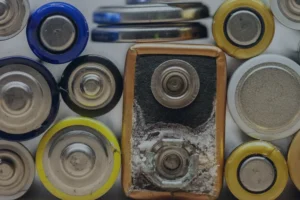
Battery corrosion often appears as a white, blue, or powdery buildup near the terminals.
Corrosion can damage both the battery and the device. If you find corrosion inside a device, remove the batteries carefully and clean the compartment according to the device manufacturer’s guidance.
Leaking Batteries
Older alkaline batteries can occasionally leak if left in devices for extended periods.
If leakage occurs, remove the batteries carefully and avoid direct contact with the leaked material. Leaking batteries should be separated from intact batteries and recycled appropriately.
How to Make Alkaline Batteries Last Longer
You cannot make alkaline batteries last forever, but you can avoid the common habits that shorten their life or cause leaks.
Store Them Properly
Storage matters more than most people realize.
Keep batteries in:
- Cool locations
- Dry environments
- Original packaging when possible
Avoid storing batteries in vehicles, attics, garages, sheds, or areas exposed to extreme heat or cold. Temperature swings can weaken batteries faster and increase the chance of leakage over time.
A drawer, closet, supply cabinet, or climate-controlled storage room is usually a better choice.
Remove Batteries from Unused Devices
If a device will sit unused for months or years, remove the batteries.
This is especially important for flashlights, toys, remotes, clocks, seasonal decorations, and emergency equipment that may sit untouched for long periods.
Removing the batteries helps reduce the risk of leaks, corrosion, and damage inside the device.
Avoid Mixing Battery Types
Do not mix:
- Old and new batteries
- Different brands
- Different battery chemistries
Mixed batteries can discharge unevenly and reduce overall performance. In some cases, the weaker battery can drag down the stronger one, causing faster drain or increasing the risk of leakage.
For best results, replace all batteries in a device at the same time with the same type and brand.
Check Stored Batteries Periodically
A quick inspection every few months can help you catch problems early.
Look for:
- Corrosion
- Leaks
- Physical damage
- Expired batteries
- Swelling or unusual residue
If batteries look damaged, leaking, or heavily corroded, separate them from intact batteries and handle them carefully.
Proper storage and periodic checks help maximize battery lifespan and reduce the chance of messy cleanup later.
When Old Alkaline Batteries Should Be Recycled
Eventually, alkaline batteries reach the end of their useful life. When that happens, recycling is often the better option, especially for businesses and organizations managing larger quantities.
Expired Batteries
Batteries that have reached the end of their useful life should be removed from storage and properly managed.
An expired alkaline battery may still work in some low-drain devices, but performance becomes less reliable over time. If batteries are far past their printed date, weak, or no longer useful, it is time to move them out of storage.
Leaking or Corroded Batteries
Damaged batteries should be separated from intact batteries and handled carefully.
If you find leaking or corroded alkaline batteries, avoid direct contact with the residue. Place them aside, keep them away from other batteries, and do not toss them loose into a trash bin, desk drawer, or supply box.
Leaking batteries should be routed through the proper recycling or disposal process.
Large Quantities of Batteries
Businesses, schools, healthcare facilities, warehouses, and organizations often accumulate significant quantities of batteries over time.
You may find them in:
- IT supply rooms
- Maintenance closets
- Nurse stations
- Facility storage areas
- Warehouse shelves
- Office cleanout piles
- Emergency equipment kits
At that point, organized recycling becomes much easier than managing disposal one battery at a time.
If your organization has accumulated alkaline batteries that need proper handling, EACR Inc. can help through alkaline battery recycling services, pickup programs, and battery collection solutions.
Frequently Asked Questions About Alkaline Battery Lifespan
How long do alkaline batteries usually last?
Most alkaline batteries last approximately 5 to 7 years when stored properly in cool, dry conditions.
Can alkaline batteries last 10 years?
Some premium alkaline batteries may remain usable for close to 10 years under ideal storage conditions, but 5 to 7 years is more common.
Do alkaline batteries expire?
Yes. Alkaline batteries have expiration dates and gradually lose effectiveness as they age.
What causes alkaline batteries to leak?
Age, heat exposure, corrosion, long-term storage inside devices, and poor storage conditions can all contribute to leakage.
Should I remove batteries from devices I do not use?
Yes. Removing batteries from unused devices helps prevent leaks, corrosion, and possible damage to the device.
Can expired alkaline batteries still work?
Sometimes. However, performance may be reduced, and reliability becomes less predictable.
Are alkaline batteries recyclable?
Yes. Many recycling programs accept alkaline batteries and can help manage them responsibly.
Conclusion
Most alkaline batteries last about 5 to 7 years, making them one of the longest-lasting disposable battery options available. Proper storage, moderate temperatures, and routine inspection can help maximize their lifespan and reduce the risk of leaks or corrosion.
When batteries eventually reach the end of their useful life, proper recycling helps keep materials out of the waste stream and supports responsible battery management.
If your business, school, healthcare facility, or organization needs help managing expired or unwanted batteries, EACR Inc., an electronics recycling company, offers alkaline battery recycling services, pickup programs, and battery recycling solutions designed for organizations of all sizes.