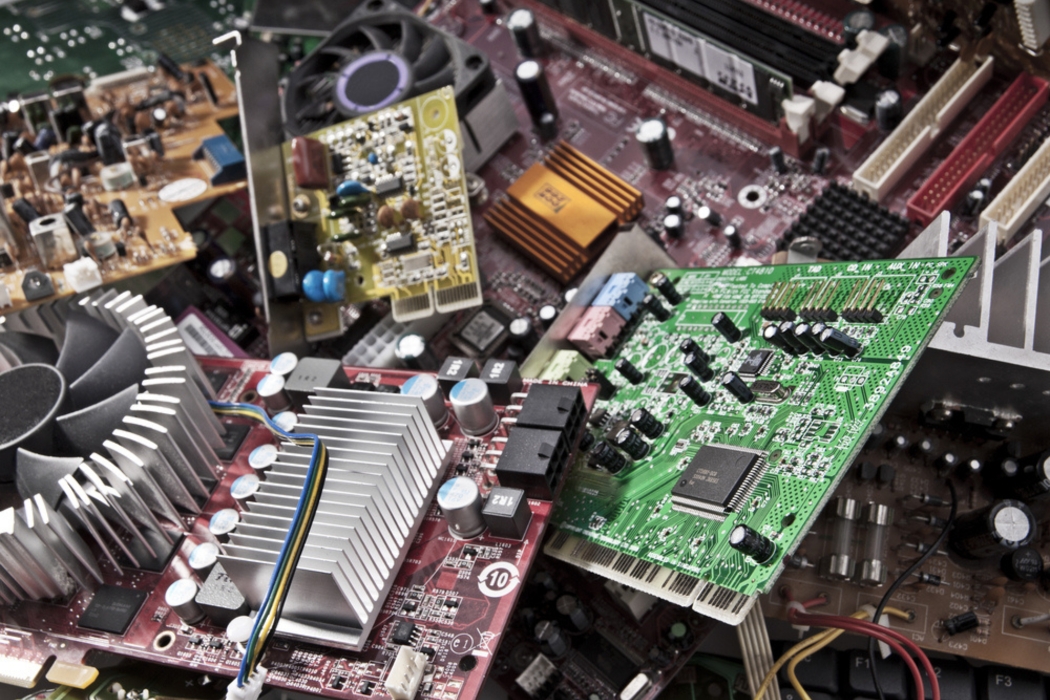
Why Motherboard Recycling Matters
Motherboard recycling isn’t just about cleaning out old electronics—it’s about protecting the environment, keeping data safe, and making sure reusable resources don’t go to waste. Every motherboard inside a desktop, laptop, or server contains materials that can either harm the planet or be recovered for new use.
Environmental Impact
Motherboards are built with heavy metals like lead, mercury, and cadmium. If these boards end up in a landfill, those toxins can leach into soil and water, creating long-term pollution. Proper recycling ensures hazardous materials are contained and processed safely.
Reusable Resources
One of the biggest benefits of motherboard recycling is resource recovery. Motherboards contain base metals such as copper and aluminum. All of these can be recovered and reused in new electronics, reducing the need for new mining.
The Dangers of Improper Disposal
Throwing a motherboard in the trash may feel easy, but it creates real problems for both the environment and compliance with e-waste regulations.
Toxic Materials in Landfills
Lead solder, chemical coatings, and other hazardous materials in motherboards don’t break down safely. Instead, they seep into the environment, contaminating ecosystems and water supplies.
Illegal Dumping
Many states classify motherboards as e-waste, meaning disposal is tightly regulated. Dumping them with regular trash can result in fines and legal trouble, especially for businesses required to follow strict e-waste rules.
Wasted Resources
Every motherboard is packed with reusable metals. Failing to recycle means copper, and aluminum are lost forever, while manufacturers have to mine new materials at a high environmental cost.
What’s Inside a Motherboard That Can Be Recycled?
Motherboards may look like flat, green boards with chips and connectors, but they’re filled with recyclable components that can be carefully separated and reused.
Precious and Base Metals
Connectors, pins, and circuitry often contain trace amounts of gold, silver, and palladium. Copper wiring and aluminum heat sinks are also common and highly recyclable.
Plastics and Fiberglass
The printed circuit board (PCB) itself is usually made of fiberglass and epoxy resin layered with copper. While more complex to process, these materials can still be recycled when handled correctly.
Electronic Components
From capacitors and resistors to chips and transistors, the small electronic parts on a motherboard contain recoverable metals. Some boards may also include batteries, which require special handling to prevent leaks or fire risks.
How to Recycle Motherboards the Right Way
When you’re ready to dispose of an old computer or server board, there are several reliable options for motherboard recycling.
Licensed Electronics Recycling Facilities
The most secure option is to work directly with a licensed electronics recycler like EACR Inc. You can drop off old boards or schedule a bulk pick-up, ensuring everything is handled safely and by the book.
Manufacturer and Retailer Programs
Some tech manufacturers and electronics retailers offer take-back or trade-in programs. These programs let you return old devices that include motherboards, often with incentives toward new purchases.
E-Waste Collection Events
Local towns and counties often host e-waste collection days. These events are a convenient way for residents to recycle motherboards and other electronics without traveling far.
Commercial Container and Bulk Programs
For IT departments, schools, and businesses managing large volumes of old boards, EACR Inc. offers scalable solutions like electronics recycling containers and scheduled bulk pick-ups. This makes motherboard recycling simple, even at scale.
Corporate & Bulk Motherboard Recycling Services
Large organizations generate a steady stream of outdated equipment, and motherboard recycling is a big part of keeping that hardware out of landfills.
Industries Needing Bulk Recycling
Data centers, schools, manufacturers, and government agencies often deal with high volumes of motherboards. Each of these sectors requires a streamlined, compliant way to dispose of old boards.
Benefits of Partnering with a Licensed Recycler
- Safe recovery of metals like copper and aluminum
- Certificates of Recycling for proof of recycling.
Why Choose EACR Inc. for Motherboard Recycling
Motherboard recycling is most effective when done through a trusted partner—and EACR Inc. has been leading the way for more than 25 years.
- Licensed electronics recycler: With decades of expertise, EACR Inc. ensures every motherboard is processed according to strict environmental and data security standards.
- Secure handling of sensitive components: All hard drives are securely wiped or physically destroyed to keep your data safe.
- Zero-landfill policy: Materials are reclaimed and reused, never wasted. Metals, plastics, and circuitry are responsibly recycled to support a cleaner future
- Nationwide service: Whether you’re recycling one board or thousands, EACR Inc. provides flexible solutions—drop-off, mail-in, containers, and bulk pick-up across the U.S.
Frequently Asked Questions About Motherboard Recycling
No. Motherboards contain hazardous materials and must be handled by a licensed electronics recycler. Regular bins aren’t equipped for safe disposal.
Boards are dismantled, metals are extracted, plastics are separated, and materials are safely processed. The recovered resources are reused in manufacturing.
Absolutely. EACR Inc. specializes in corporate and bulk recycling services, providing Certificates of Recycling and scalable logistics for data centers, schools, and agencies.
EACR Inc. follows secure data destruction protocols, ensuring all hard drives are handled properly and wiped of data
Conclusion
Motherboard recycling prevents pollution, protects sensitive data, and recovers reusable metals that can be put back into new technology. By choosing a licensed partner, you’re not just getting rid of old hardware—you’re contributing to a safer, more sustainable future.
Contact EACR Inc. today for motherboard recycling services that are secure, compliant, and eco-friendly.