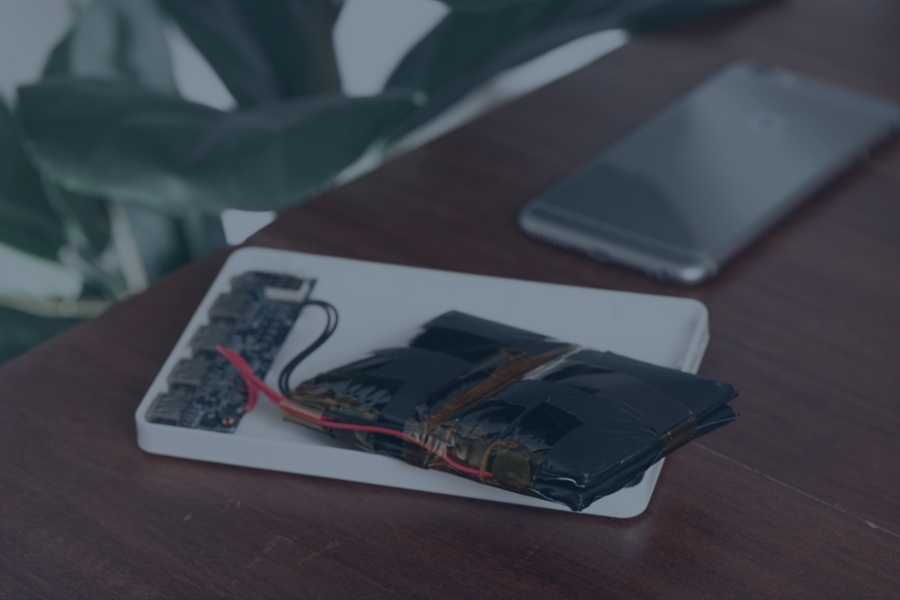
Lithium-ion batteries power many of the devices people use every day, including smartphones, laptops, power tools, e-bikes, medical equipment, and electric vehicles.
Most lithium-ion batteries are safe when they are manufactured properly and used as directed. Problems can occur, however, when a battery is damaged, defective, exposed to excessive heat, overcharged, or handled incorrectly. In serious cases, the battery may overheat, release smoke, catch fire, or explode.
Understanding why lithium-ion batteries fail can help businesses recognize warning signs, improve storage practices, and remove unsafe batteries before they create a larger problem.
EACR Inc. provides battery recycling services to help businesses safely manage damaged, defective, and end-of-life batteries before they become a safety hazard.
Why Can Lithium-Ion Batteries Explode?
Lithium-ion battery explosions are usually connected to a process called thermal runaway.
Thermal runaway occurs when a battery begins producing heat faster than it can release that heat into the surrounding air. As the internal temperature rises, battery materials begin to break down and generate even more heat.
This creates a self-reinforcing chain reaction. The battery may release flammable gases, smoke, flames, or enough pressure to rupture or explode.
A battery does not need to be visibly destroyed for this process to begin. Internal damage, overheating, electrical problems, or manufacturing flaws may all trigger a failure.
What is Thermal Runaway?
Lithium-ion batteries naturally produce a small amount of heat while charging and discharging. Under normal conditions, that heat passes through the battery casing and safely dissipates.
Thermal runaway begins when the battery generates more heat than it can release.
As the temperature rises, the electrolyte and other internal materials can begin to break down. This produces additional heat and flammable gases, causing pressure to build inside the battery.
In a battery pack with several cells, one failing cell can heat the cells around it. Those cells may then begin failing as well, allowing the reaction to spread through the entire pack.
Thermal runaway can result in:
- Rapid temperature increases
- Flammable gas release
- Thick or toxic smoke
- Fire
- Battery rupture
- Explosion
Once the reaction is underway, it can be difficult to stop because the battery continues generating heat internally. Even after visible flames are gone, damaged cells may still contain enough energy to heat up or reignite later.
Common Causes of Lithium-Ion Battery Explosions
Lithium-ion battery failures generally begin with physical damage, excessive heat, electrical stress, or an internal defect.
Physical Damage
Dropping, crushing, puncturing, or striking a lithium-ion battery can damage the thin internal layers that keep its positive and negative components separated.
Common examples include:
- Dropping a battery or device
- Crushing it with equipment
- Puncturing it with a tool or fastener
- Damaging it during shipping
- Impact from a vehicle or heavy object
- Bending or deforming the battery casing
If the internal separator is torn or compromised, the battery’s electrodes may come into contact. This creates an internal short circuit, which can generate intense heat and trigger thermal runaway.
Damaged batteries should not be charged, reused, or placed loosely with other batteries.
Excessive Heat
Lithium-ion batteries are designed to operate within a specific temperature range. Prolonged exposure to extreme heat can damage internal materials and increase the chance of a short circuit.
Risky situations may include:
- Leaving batteries inside hot vehicles
- Storing devices in direct sunlight
- Using batteries near furnaces or industrial heat sources
- Charging batteries in poorly ventilated areas
- Blocking the cooling vents around charging equipment
- Storing batteries in unusually hot work environments
Heat may weaken the internal separator, accelerate chemical reactions, and place stress on the battery’s protective systems.
A battery that already has internal damage may be even more vulnerable when exposed to high temperatures.
Overcharging or Incorrect Chargers
Lithium-ion batteries should only be charged with equipment designed for the battery or device.
Using an incompatible, damaged, or poorly made charger can deliver the wrong voltage or current. Repeated overcharging can also place electrical stress on the battery and damage its internal structure over time.
Problems may occur when:
- The wrong charger is used
- Charging equipment is damaged
- Aftermarket batteries are paired with incompatible chargers
- Protective charging systems fail
- Batteries are repeatedly charged beyond their intended limits
- Charging continues even though the battery is overheating
Electrical damage may not always be immediately visible. A battery can appear normal while internal changes gradually increase the risk of a short circuit or thermal runaway.
Manufacturing Defects
Some lithium-ion battery failures begin during design or manufacturing.
Possible defects include:
- Poor-quality internal materials
- Tiny metal particles or contamination inside the cell
- Misaligned battery components
- Weak separators
- Design flaws
- Faulty protection circuits
- Inconsistent quality control
These issues are less common than everyday damage or improper use, but they can cause a battery to fail even when the user has handled it correctly.
A defective protection system may also fail to stop overcharging, overheating, or excessive electrical current. This is one reason batteries and chargers should come from reputable manufacturers and match the equipment they are intended to power.
Warning Signs of a Failing Lithium-Ion Battery
Lithium-ion batteries do not always provide much warning before failure. However, certain changes may indicate that a battery is damaged or becoming unstable.
Watch for:
- Unusual or excessive heat
- Swelling or bulging
- Changes in the shape of the battery or device
- Strange chemical or sweet odors
- Hissing, popping, or crackling sounds
- Smoke or vapor
- Leaking fluid
- Rapid battery drain
- Erratic or inconsistent charging
- Failure to hold a charge
- Visible cracks, dents, or punctures
A battery that is swelling, leaking, smoking, or becoming unusually hot should no longer be used or charged.
Do not press down on a swollen battery, puncture it, or try to force it out of a tightly fitted device. Keep people away from the immediate area and follow the manufacturer’s safety guidance or contact qualified emergency personnel when necessary.
Never Throw Damaged Lithium-Ion Batteries in the Trash
A damaged lithium-ion battery should never be placed in a regular trash can, dumpster, or curbside recycling bin.
Trash collection equipment is built to compact waste. If a lithium-ion battery is crushed inside a garbage truck, it can short circuit, overheat, and start a fire. Because the battery may be buried beneath other materials, workers may not immediately know where the fire started.
The same risk continues at transfer stations and recycling facilities. Batteries can be punctured or crushed by:
- Compactors
- Conveyor systems
- Shredders
- Sorting equipment
- Heavy machinery
A single damaged battery can ignite nearby paper, cardboard, plastic, or other combustible material. These fires can spread quickly, shut down operations, damage equipment, and put workers at serious risk.
Improper disposal can also create environmental concerns. Damaged batteries may leak electrolyte or release smoke and other hazardous materials if they burn.
Lithium-ion batteries should be kept out of the regular waste stream and directed to an appropriate battery recycling program instead.
Recycle Lithium-Ion Batteries Safely
Lithium-ion batteries can come from many different sources, including:
- Smartphones and laptops
- Power tools
- E-bikes and scooters
- Medical devices
- Consumer electronics
- Industrial equipment
- Backup power systems
- Commercial battery packs
Some batteries reach the end of their normal service life. Others are removed because they are damaged, defective, recalled, swollen, or no longer holding a charge.
Each situation may require a different approach. A loose laptop battery is not handled the same way as a damaged industrial battery pack or a large quantity of batteries collected from multiple business locations.
A licensed battery recycler can help businesses evaluate the material, determine appropriate packaging, coordinate transportation, and direct recoverable metals and other materials into proper recycling streams.
Damaged batteries often require extra care because they may be more vulnerable to short circuits, heat, and physical movement. They should not be mixed loosely with intact batteries or shipped without guidance.
EACR Inc. provides licensed lithium-ion battery recycling services for businesses, institutions, manufacturers, municipalities, and organizations throughout the Northeast. Our team can help manage end-of-life, defective, and damaged batteries while supporting safe collection, transportation, and material recovery.
Reduce Lithium-Ion Battery Fire Risks
Most lithium-ion batteries operate safely when they are properly manufactured, charged, stored, and used.
Failures are most commonly linked to physical damage, excessive heat, overcharging, incompatible equipment, or internal manufacturing defects. Any of these issues can trigger thermal runaway and lead to smoke, fire, or an explosion.
Recognizing warning signs matters. A battery that is swelling, leaking, overheating, making unusual sounds, or charging inconsistently should be removed from service immediately.
Proper recycling is also an important part of battery safety. Damaged or end-of-life batteries should never be placed in the trash or mixed into ordinary recycling.
If your business has damaged, defective, or end-of-life lithium-ion batteries, EACR Inc. provides battery recycling services throughout the Northeast to help safely collect, transport, and responsibly recycle them.
Frequently Asked Questions About Lithium-Ion Batteries Exploding
What causes lithium-ion batteries to explode?
Lithium-ion batteries can explode when damage, heat, overcharging, electrical problems, or internal defects trigger thermal runaway. This causes the battery to generate heat faster than it can release it.
What is thermal runaway?
Thermal runaway is a self-sustaining chain reaction in which rising temperatures cause a battery to release more heat, flammable gases, smoke, and sometimes fire or an explosion.
Can a lithium-ion battery explode while charging?
Yes. A battery may fail while charging if it is damaged, overheated, overcharged, defective, or connected to an incompatible charger.
Can damaged lithium-ion batteries be recycled?
Yes, but they require careful handling. Contact a licensed battery recycler before moving, packaging, or transporting a damaged battery.
What should I do if my battery starts swelling?
Stop using and charging the device. Do not puncture, press, bend, or remove the battery by force. Keep it away from people and combustible materials, and seek professional guidance for safe handling.
Why do lithium-ion batteries catch fire?
They can catch fire when an internal short circuit or other failure causes rapid heating. The electrolyte and gases released during failure can ignite.
Can heat cause a lithium-ion battery to explode?
Yes. High temperatures can damage the battery’s internal separator and accelerate chemical reactions, increasing the risk of thermal runaway.
Should damaged lithium-ion batteries be thrown away?
No. Damaged lithium-ion batteries should never be placed in household trash, commercial dumpsters, or standard recycling bins because they can start fires during collection and processing.
How can I reduce the risk of battery fires?
Use the correct charger, avoid extreme heat, inspect batteries for damage, stop using batteries that swell or overheat, and recycle end-of-life batteries through an appropriate program.