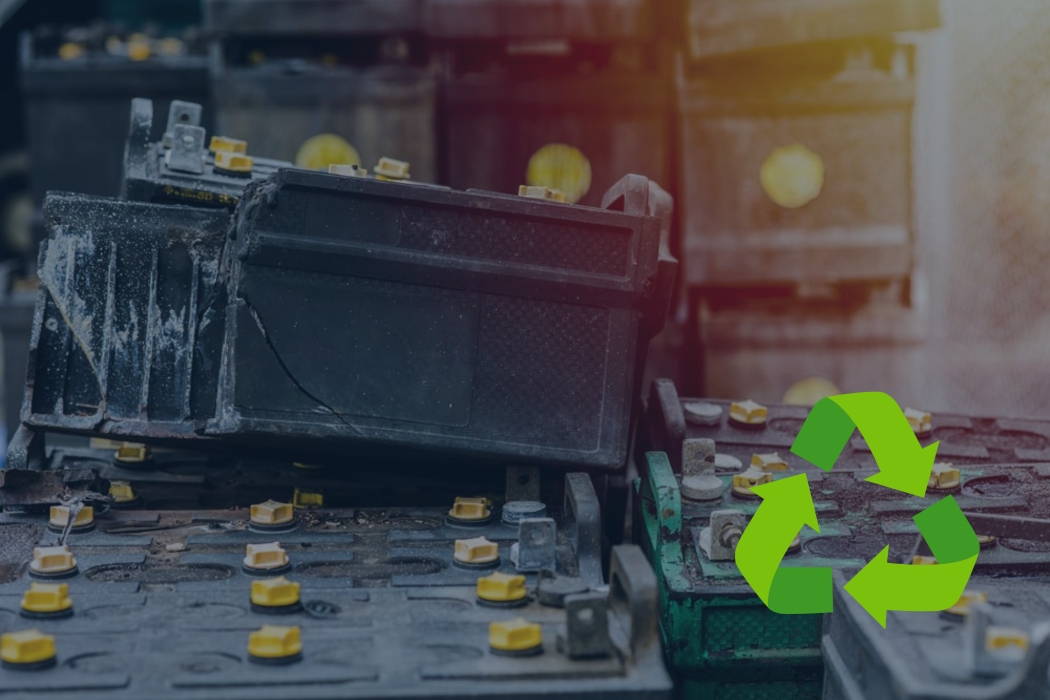
Lead-acid battery recycling starts with knowing what you’re dealing with: a heavy battery built from lead plates sitting in a bath of sulfuric acid (the electrolyte). That simple combo is why these batteries deliver high burst power—and why they need careful end-of-life handling.
Most lead-acid batteries fall into a few common formats:
- Flooded (wet cell): Traditional batteries with liquid acid inside
- AGM: Sealed batteries that use an absorbent mat to hold electrolyte
- Gel: Sealed batteries with a gelled electrolyte
- VRLA / SLA: Valve-regulated / sealed lead-acid (often used for backup systems)
They’re considered regulated end-of-life material because they contain toxic lead and corrosive acid. When they crack, leak, or get mishandled, they can create real safety and environmental problems—so they don’t belong in normal trash or general waste.
Where Lead-Acid Batteries Are Commonly Used
Lead-acid batteries are everywhere because they’re dependable, affordable, and built for work. You’ll most often see them in:
- Automotive: Cars, trucks, motorcycles, and fleet vehicles
- Industrial: Forklifts, pallet jacks, floor scrubbers, and warehouse equipment
- Backup power: UPS systems, telecom backup, emergency lighting, security systems
- Marine/RV and commercial equipment: Boats, RV house batteries, generators, and jobsite gear
If it cranks an engine, powers a machine, or keeps a system running during outages, there’s a good chance it’s lead-acid.
Why Lead-Acid Batteries Should Never Go in the Trash
Throwing a lead-acid battery away isn’t just “not ideal”—it can be dangerous.
Lead exposure risks and contamination pathways
Lead is toxic. If a battery breaks, lead-bearing material can spread into dust, soil, or water, and contamination can persist long-term. Even “empty-looking” batteries can still contain residues that cause problems. Read our complete guide on the effects of batteries on the environment.
Acid leakage concerns
Sulfuric acid can leak and cause:
- Corrosion on floors, vehicles, and storage racks
- Burn risks to employees and handlers
- Soil and water impact if it reaches drains or the ground
Facility hazards
In real-world facilities, the biggest issues come from:
- Batteries tipping over during staging
- Cracked cases from rough handling
- Improper stacking and unprotected terminals
- Mixing damaged batteries with intact ones
Those mistakes can lead to leaks, cleanup costs, and safety incidents.
Compliance and liability
For businesses, schools, and institutions, improper disposal can create compliance exposure and liability—especially if there’s a spill, injury, or documented improper handling. Lead-acid batteries are not “regular waste.” Treat them like the regulated material they are.
The Environmental Upside of Recycling Lead-Acid Batteries
The good news: lead-acid batteries have one of the most established recycling pathways in the battery world.
High recycling rates and established infrastructure (without the hype)
There’s a mature collection and processing network for lead-acid batteries, which means recycling is generally accessible compared to many newer battery chemistries. That’s a big reason these batteries are often recovered at high rates.
Reduced mining demand
Recycling recovers usable lead and plastics, which helps reduce the demand for new raw material extraction. Less mining and refining means less upstream impact over time.
Less landfill pollution risk, better material reuse
Recycling keeps lead and acid out of landfills and puts recovered materials back into manufacturing supply chains—reducing waste, preventing contamination, and supporting reuse instead of disposal.
How Lead-Acid Battery Recycling Works
Step 1 Collection and Safe Transport
Most lead-acid batteries enter the recycling stream through:
- Retail take-back: Common for car batteries and smaller quantities
- Commercial pickup programs: Best for warehouses, fleets, facilities, and bulk volumes
Safe transport matters because these batteries are heavy, can tip, and can leak if damaged. Proper containment and secure loading reduce spill risk and prevent terminal shorting during handling.
Step 2 Sorting by Type and Condition
Before processing, batteries are sorted so the right handling steps happen in the right order:
- Flooded vs sealed (AGM/gel/VRLA)
- Intact vs damaged/leaking
Damaged or leaking batteries are separated for controlled handling to reduce exposure and prevent cross-contamination.
Step 3 Mechanical Processing
At a high level, lead-acid batteries are processed using controlled methods that break the units down safely and separate major material streams. The goal is to split the battery into:
- Lead-bearing materials (plates, paste, grids)
- Plastic case material
- Electrolyte (acid)
Step 4 Material Recovery and Reuse
Once separated, materials are routed into reuse pathways:
- Lead recovery: Lead-bearing materials are refined and routed back into manufacturing supply chains.
- Plastic recovery: Polypropylene cases are cleaned and reprocessed into pelletized plastic for reuse.
- Electrolyte treatment: The acid is managed through controlled treatment—often neutralization or conversion processes—so it can be handled safely and responsibly.
What Materials Are Recovered From Lead-Acid Batteries?
Lead-acid battery recycling isn’t just disposal—it’s recovery. The main outputs typically include:
- Lead and lead compounds: Recovered for reuse in industrial manufacturing streams
- Polypropylene/plastics: Battery cases and components reprocessed for reuse
- Electrolyte components: Managed through safe treatment processes to prevent environmental harm
Handled correctly, the bulk of a lead-acid battery can be recovered and redirected away from landfills—without turning storage or transport into a safety headache.
Safety First: How to Store Lead-Acid Batteries Before Recycling
Lead-acid battery recycling goes smoothly when batteries are staged safely. Most problems happen before pickup—when batteries are stored loosely, stacked wrong, or allowed to leak.
Do’s
- Keep batteries upright, dry, and secured from tipping. If they’re wobbling, they’re a spill risk.
- Use pallets or secondary containment. A pallet plus a containment tray (or similar setup) helps prevent leaks from spreading.
- Protect the terminals. Cover exposed terminals to reduce short-circuit risk—especially when batteries are packed close together.
- Label your staging area and track counts. For facilities, a simple inventory list (type + quantity + location) keeps pickups fast and reduces mistakes.
Don’ts
- Don’t build unstable “battery towers.” If stacking isn’t clearly stable, don’t do it.
- Don’t drain, open, or tamper with batteries. That creates exposure risk and can turn a manageable item into a spill event.
- Don’t store near floor drains, heat sources, or ignition risks. If a leak reaches a drain, you’ve escalated the situation fast.
What to Do With Leaking or Damaged Batteries
- Isolate it immediately. Move it away from intact batteries and traffic—carefully and with PPE if you have it onsite.
- Contain the leak. Use a compatible containment bin or a lined, leak-resistant tray. Keep it upright if possible.
- Coordinate pickup with a licensed recycler. Don’t let leaking batteries sit “until next month.” The risk only grows.
High-level spill guidance for facilities:
- Limit access, ventilate if needed, and avoid direct contact with liquid.
- Use absorbent materials designed for chemical spills if you have them onsite.
- If you don’t have spill supplies or training, treat it as a controlled pickup issue—contain and escalate.
Lead-Acid Battery Recycling Rules and Compliance Basics
You don’t need to be a regulator to get this right. The main takeaway is simple: lead-acid batteries are regulated end-of-life material, and that affects storage, transport, and documentation.
- It’s regulated. Lead and sulfuric acid are the reason. Even when batteries look “fine,” they still require controlled handling.
- Documentation protects you. For organizations, keep basic recycling documentation records: what you shipped, when it left, and where it left. Certificates of recycling support internal controls and external reporting.
- ESG and internal reporting benefits. If you track waste reduction, sustainability goals, or environmental metrics, documented recycling supports those programs with clean, defensible records.
Lead-Acid vs Lithium-Ion Recycling
Both are “batteries,” but they behave very differently at end of life—which is why they shouldn’t be treated the same.
- Different risk profile:
- Lead-acid = toxic lead + corrosive acid (spill and contamination risk)
- Lithium-ion = fire and thermal runaway risk (ignition risk when damaged or shorted)
- Lead-acid = toxic lead + corrosive acid (spill and contamination risk)
- Different storage and handling:
- Lead-acid: keep upright, prevent leaks, use containment
- Lithium-ion: prevent shorting, protect from impact, isolate damaged/swollen units
- Lead-acid: keep upright, prevent leaks, use containment
- Mixed loads need sorting. Combining chemistries increases handling risk and slows processing. Sorting upfront prevents contamination and keeps the recycling stream safer.
How EACR Inc. Handles Lead-Acid Battery Recycling
EACR Inc. provides lead-acid battery recycling programs built for real-world operations—whether you have a few batteries at one site or ongoing volume across multiple locations.
- Who we serve: Businesses, schools, municipalities, warehouses, and facilities managing routine battery replacements or large change-outs.
- Service options:
- Scheduled pickups for recurring volumes
- Bulk programs for higher quantities (fleet, warehouse, industrial)
- On-site e-waste containers (where applicable) to keep staging organized and safer
- Scheduled pickups for recurring volumes
We focus on safe handling, and responsible downstream management—so batteries are processed through appropriate recycling channels and you have the records to prove it.
Documentation is provided to support compliance and internal reporting.
FAQs About Lead-Acid Battery Recycling
Can I recycle car batteries and forklift batteries together?
Usually, yes—both are lead-acid. The key is safe staging and clear labeling, because forklift batteries are heavier and may require different handling at pickup. If you have both, list quantities and types when scheduling.
Do sealed (AGM) and flooded batteries get processed the same way?
They follow similar recovery goals, but they’re handled and sorted differently upfront. Flooded batteries have free liquid acid, while sealed types are built differently—sorting helps ensure the right processing path and safer handling.
How should I prepare batteries for pickup?
Keep them upright, dry, and secured. Protect terminals, stage on pallets when possible, and separate any damaged units. If you’re a facility, have a quick count ready by type.
What if a battery is cracked or leaking?
Isolate it, contain it, and schedule pickup as soon as possible. Don’t store it near drains or high-traffic areas. Treat leaking batteries as a controlled handling issue, not normal storage.
Do you offer pickups for large quantities?
Yes. EACR Inc. supports bulk lead-acid battery recycling for organizations generating higher volumes, including industrial sites, fleets, and multi-site operations.
Conclusion: Recycle Lead-Acid Batteries the Right Way
Lead-acid batteries are useful, but at the end of life they’re not casual waste, they’re regulated e-waste. The smart move is straightforward: store them safely, keep them out of the trash, and recycle them through a responsible program. If you need help with lead-acid battery recycling—whether it’s a one-time cleanout or ongoing pickups—contact EACR Inc. to schedule a pickup, request a container (where applicable), or set up a bulk program.