The carbon footprint of a laptop is bigger than most people realize. Laptops are used every day for work, school, entertainment, shopping, communication, and running a business, but each device comes with a hidden environmental cost.
A carbon footprint is the total greenhouse gas emissions tied to a product across its lifecycle. For laptops, that includes raw material extraction, manufacturing, shipping, daily energy use, and end-of-life disposal.
The biggest takeaway is simple: most laptop emissions happen before you ever open the screen. Manufacturing is usually the largest part of a laptop’s footprint.
In this post, we’ll break down the emissions tied to laptop production and transport. If you have old laptops to get rid of, working with a licensed laptop recycling company like EACR Inc. helps ensure they are recycled safely and kept out of landfills.
Emissions from Production
Mining and Raw Materials
Laptop production starts with raw materials. A single laptop can contain aluminum, copper, gold, rare earth elements, lithium, cobalt, nickel, plastics, glass, and other materials used in the frame, screen, circuit boards, battery, wiring, and internal components.
Mining and refining these materials takes energy, water, fuel, machinery, and transportation. It can also disturb land, create waste, and contribute to pollution if materials are not sourced and processed responsibly.
One estimate found that producing a laptop can involve about 1,200 kg of earth mined and around 190,000 liters of water used before the device is finished.
Manufacturing Components
After materials are extracted, they need to be turned into laptop parts. This is where much of the carbon footprint builds up.
The motherboard, display, battery, SSD, chips, chassis, and other internal parts all require energy-intensive manufacturing. The motherboard is especially important because it contains complex circuitry and multiple processed materials.
Manufacturing is often the biggest part of the laptop’s total footprint. Estimates place production at roughly 75% to 85% of total laptop emissions (Circular Computing, 2021).
That means the environmental cost of a laptop is not just about how much electricity it uses while plugged in. A large portion of the impact already happened during material processing, component manufacturing, assembly, and factory energy use.
Average Emissions Per Laptop
The average carbon footprint of a laptop is often estimated around 331 kg CO2e across production, transportation, and the first several years of use.
That number can vary a lot. Some laptop models may be closer to 174 kg CO2e, while others can reach 520 kg CO2e depending on size, components, manufacturer, and lifecycle assumptions (Ditch Carbon, 2022).
One business laptop example was estimated at about 350 kg CO2e over its lifecycle.
Exact numbers vary based on size, manufacturer, energy mix, and usage.
Emissions from Transport
Global Supply Chain
Laptops are global products. Raw materials may be mined in one country, refined in another, turned into components somewhere else, assembled in a different factory, and then shipped to retailers, businesses, schools, or consumers.
That supply chain adds emissions at every stage. Even before the finished laptop reaches your desk, materials and components may have already moved through several countries.
Shipping Impact
Transport is not usually the biggest part of a laptop’s footprint, but it still matters.
Air freight is one of the biggest contributors because it creates far more emissions than ocean or land shipping. Laptops that need to move quickly across long distances can carry a higher transport footprint.
Some estimates place laptop transportation at around 6% to 12% of total emissions, or roughly 30 kg CO2e.
Demand and Scale
The scale is what makes laptops a real environmental issue. More than 250 million computers and laptops were sold worldwide in 2021, and the broader ICT sector has been estimated at 1.8% to 2.8% of global greenhouse gas emissions (Market. US, 2023).
One laptop may not seem like a major environmental problem on its own. But when millions of devices are manufactured, shipped, replaced, stored, and discarded every year, the footprint adds up quickly.
Emissions from Use
Daily Energy Consumption
The carbon footprint of a laptop continues after production, but daily use is usually smaller than the manufacturing impact.
Laptops are generally more energy efficient than desktops. Many laptops use around 19 to 60 watts, while desktops often use much more because they rely on larger components, separate monitors, and higher power demands.
Still, usage adds up. Depending on how often the laptop is used and the energy source powering it, daily laptop use can create roughly 44 to 88 kg of CO2 per year.
Cloud and Internet Impact
Laptop emissions do not only come from the device itself. Every time you stream video, store files, browse the web, send emails, or use cloud software, there is energy being used somewhere else.
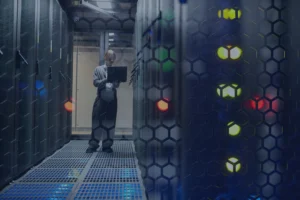
Data centers power the internet. They need electricity to run servers and cooling systems around the clock. That means heavy internet use, streaming, cloud storage, and online work can add indirect emissions to your laptop’s overall footprint.
Lifespan Matters
Most laptops are used for about 4 years, but replacing them too often is one of the biggest mistakes from an environmental standpoint.
Because manufacturing creates most of the emissions, the longer you keep a laptop in use, the more you spread out that original footprint. Extending the life of a laptop by even a few years can reduce the need for new production, new mining, and new shipping.
Emissions from Disposal
Landfill Impact
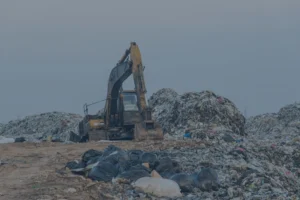
Laptops should not be thrown in the trash. They contain materials that can create environmental problems when buried in landfills or handled improperly.
Common laptop materials can include lead, mercury, chromium, battery chemicals, plastics, and other components that may contribute to soil and groundwater contamination if the device breaks down or leaks over time.
E-Waste Growth
Laptops are part of the global e-waste problem. As people and businesses replace devices, old laptops often sit in storage, get tossed out, or move through improper disposal channels.
That creates two problems at once: pollution risk and wasted resources. When laptops are not recycled, their reusable materials are removed from the supply chain.
Lost Materials
Every discarded laptop contains metals, plastics, circuit boards, batteries, screens, and other recoverable components.
When those materials are lost to landfills, manufacturers need to rely more heavily on newly mined and newly processed materials. That means more mining, more refining, more energy use, and more emissions.
How Recycling Reduces the Carbon Footprint
Eliminating Manufacturing Impact
The biggest opportunity is avoiding unnecessary new manufacturing.
Since manufacturing can account for around 80% of a laptop’s footprint, reuse and refurbishment can make a major difference. Reusing one laptop avoids up to 85% of its carbon footprint because it reduces the need to manufacture a replacement device from scratch.
This is why businesses should not treat old laptops as simple trash. Even when a laptop is no longer useful to one organization, it may still have reusable parts, recoverable materials, or refurbishment potential.
Material Recovery
Laptop recycling helps recover materials like copper, aluminum, gold, plastics, circuit boards, batteries, and other components.
Those recovered materials can be processed and reused instead of being mined again. That matters because mining and refining raw materials is one of the most carbon-intensive parts of the electronics lifecycle.
Energy Savings
Recycling generally uses less energy than extracting and refining raw materials from the earth.
When metals and components are recovered from laptops, it reduces the energy demand tied to new material production. That helps lower lifecycle emissions and supports a cleaner electronics supply chain.
Extending Device Life
Refurbishing is one of the strongest ways to reduce a laptop’s carbon footprint.
If a laptop can be repaired, upgraded, wiped, or redeployed, it may gain another 2 to 4 years of use. That delays replacement, reduces waste, and makes better use of the emissions already spent manufacturing the device.
For businesses, schools, and offices, this is especially important because bulk laptop turnover can create a major environmental impact if devices are not handled properly.
Why Laptop Usage Habits Matter
Replace vs Repair
Repairing a laptop is almost always better than replacing it too early.
A new battery, SSD, screen, charger, or memory upgrade can extend the life of a device and delay the emissions tied to manufacturing a brand-new laptop.
Buying Refurbished
Buying refurbished also helps reduce environmental impact because it avoids much of the manufacturing footprint tied to a new device.
A refurbished laptop keeps an existing product in use, reduces demand for new raw materials, and helps prevent usable electronics from becoming waste too soon.
Simple Usage Changes
Small habits help too.
Lowering screen brightness, using power-saving mode, shutting the laptop down when it is not in use, unplugging chargers overnight, and avoiding unnecessary background processes can all reduce energy use over time.
These changes do not erase the laptop’s footprint, but they help reduce the emissions created during everyday use.
Conclusion
Laptops are useful, necessary, and part of everyday life, but they are not impact-free. Their carbon footprint starts with mining and manufacturing, continues through transport and daily energy use, and gets worse when old devices are thrown away or left unused.
The biggest issue is manufacturing. That means using laptops longer, repairing them when possible, buying refurbished, and recycling them properly are some of the best ways to reduce their environmental impact.
If your business, school, office, or organization has old laptops or bulk electronics to recycle, work with a licensed laptop recycling company like EACR Inc. to handle laptop recycling safely and responsibly.