Duracell batteries power everything from TV remotes and smoke detectors to industrial equipment and backup systems. The challenge is that many people are not sure what to do once those batteries reach the end of their life.
Some Duracell batteries can be recycled through drop-off programs, while others may require more careful handling depending on the battery type, condition, and quantity.
This guide covers the simplest recycling options, how to prepare batteries for collection, and what businesses should do when managing larger battery volumes.
As an electronics recycling company, EACR Inc. helps organizations safely manage battery recycling programs, pickups, and documentation for a wide range of battery types.
Quick Answer: How to Recycle Duracell Batteries
Most Duracell batteries fall into one of three recycling routes:
- Battery drop-off programs
- Electronics recycling collection containers
- Scheduled pickup services for businesses and large quantities
If you only have a handful of household batteries, a local drop-off location may be enough.
If you are managing large quantities, multiple facilities, or mixed battery types, a scheduled recycling program is usually the cleaner and safer option.
What Counts as a Duracell Battery?
Duracell batteries come in more formats than most people realize. That matters because different batteries may need different handling, packaging, or recycling routes.
Common Duracell Household Batteries
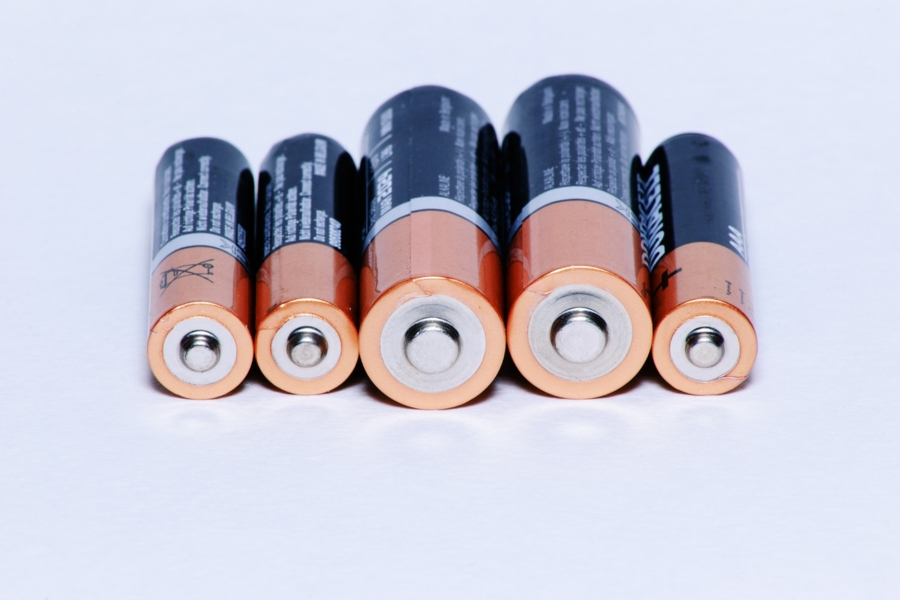
Common Duracell batteries include:
- AAA batteries
- AA batteries
- C batteries
- D batteries
- 9V batteries
- Coin cell batteries
- Button cell batteries
- Rechargeable AA batteries
- Rechargeable AAA batteries
- Specialty batteries
These are the batteries people usually find in remotes, flashlights, toys, clocks, smoke detectors, medical devices, key fobs, and small electronics.
Larger Commercial Battery Applications
Businesses may also encounter Duracell batteries in larger systems, including:
- UPS batteries
- Backup power batteries
- Security system batteries
- Emergency lighting batteries
- Telecom backup batteries
These are more common in offices, schools, hospitals, warehouses, municipal buildings, data centers, and industrial facilities.
Why Battery Type Matters
Not every Duracell battery follows the same recycling pathway.
Battery chemistry, size, condition, and quantity can affect:
- Packaging requirements
- Transportation requirements
- Collection options
- Recycling processes
- Documentation requirements
A few AA batteries in a home drawer are handled very differently than several hundred pounds of mixed batteries from a commercial facility.
Option 1: Battery Drop-Off Programs
Battery drop-off programs are usually the simplest option for small quantities.
When This Option Fits
Drop-off programs often work well for:
- AA batteries
- AAA batteries
- C batteries
- D batteries
- 9V batteries
- Small rechargeable batteries
- Coin cell batteries
- Button cell batteries
This route is best when the batteries are intact, easy to transport, and limited in quantity.
Where People Commonly Drop Off Batteries
People typically use:
- Battery collection networks
- Electronics recycling companies
- Community recycling programs
- Local battery collection containers
- Retail battery take-back locations
Before you go, confirm that the location accepts the specific battery types you have.
Option 2: Electronics Recycling Collection Programs
Electronics recycling programs can be a practical option when batteries are being collected alongside old devices.
When This Option Makes Sense
Many electronics recycling programs accept batteries with equipment such as:
- Laptops
- Desktop computers
- Printers
- UPS units
- Networking equipment
- Consumer electronics
- Office electronics
This can be especially helpful during office cleanouts, IT refreshes, school equipment upgrades, and facility moves.
Why This Option is Convenient
Instead of managing multiple disposal streams, batteries and electronics can often be routed through the same recycling program.
That means fewer vendors, fewer internal handoffs, and less confusion for staff trying to figure out what goes where.
For organizations handling both electronics and batteries, this route can make the entire cleanout process more organized.
Option 3: Scheduled Pickup
Scheduled pickup is usually the best option for businesses with larger quantities, mixed battery types, or multiple locations.
Best-Fit Scenarios
Pickup services are typically the right fit for:
- Schools
- Hospitals
- Municipalities
- Warehouses
- Data centers
- Manufacturing facilities
- Offices
- Multi-site organizations
This is also the better route when batteries are heavy, spread across several rooms, or part of a planned replacement project.
Why Pickup Reduces Headaches
Pickup programs provide:
- Controlled handling
- Simplified logistics
- Better tracking
- Centralized documentation
- Reduced labor requirements
Businesses managing battery rooms, facility upgrades, recurring battery replacement programs, or large cleanouts often find pickup services much easier than making multiple drop-off trips.
How to Prepare Duracell Batteries for Recycling
Duracell battery recycling goes much smoother when batteries are inventoried, staged, and packaged before collection.
Treat it like a small logistics project. The more organized the batteries are upfront, the easier the recycling process becomes.
Step 1: Inventory What You Have
Start by counting and separating batteries by type:
- AA
- AAA
- C
- D
- 9V
- Coin cells
- Button cells
- Rechargeable batteries
- Specialty batteries
- Damaged batteries
Businesses should also note:
- Total quantity
- Storage locations
- Access restrictions
- Loading requirements
- Whether batteries are loose, boxed, palletized, or inside equipment
This helps determine the right pickup method, packaging approach, and documentation needs.
Step 2: Stage Safely
Keep batteries:
- Dry
- Stable
- Protected from impact
- Away from excessive heat
- Away from loose metal objects
Separate damaged batteries immediately. Do not mix leaking, swollen, crushed, or questionable batteries with intact ones.
Step 3: Package and Label
Prepare batteries for transportation by:
- Using sturdy containers
- Preventing movement during transport
- Separating damaged units
- Labeling quantities and battery types
- Keeping different battery categories organized
For 9V batteries and certain rechargeable batteries, terminal protection may be recommended to help prevent accidental contact.
Safety Basics
Duracell batteries may look small and harmless, but they still need to be handled correctly. Even common household batteries can create problems if they are crushed, damaged, overheated, or stored carelessly.
Why Batteries Are Not Normal Trash
Batteries are different from regular trash because they contain stored energy and internal materials that require responsible handling.
Improper handling can lead to:
- Short circuits
- Leaks
- Heat generation
- Transportation incidents
This is especially important when batteries are loose in boxes, mixed with metal objects, or damaged during a cleanout.
The Safest Default Rules
When in doubt, keep battery handling simple and cautious:
- Keep damaged batteries separated
- Do not crush batteries
- Do not puncture batteries
- Store batteries in dry conditions
- Prevent terminals from contacting metal objects
Damaged, leaking, swollen, or questionable batteries should be isolated and clearly labeled before recycling.
Rules and Compliance
Battery recycling rules can feel confusing because requirements vary based on the battery and how it is being collected.
The main factors include:
- Battery chemistry
- Quantity
- Transportation method
- State regulations
For businesses, the most important objective is maintaining a documented recycling process. Clean records help show where batteries went, when they were collected, and how they were managed.
Good documentation can support:
- Internal audits
- Vendor management
- Sustainability reporting
- Environmental compliance programs
This is not just paperwork. It is what protects the organization if questions come up later.
Records to Keep
At minimum, businesses should retain:
- Pickup records
- Service dates
- Battery quantities
- Battery type information
- Condition notes
- Certificates of recycling
For multi-site organizations, it also helps to keep records by location. That makes it easier to track which facility generated the batteries and when they were removed.
What Happens After Collection?
Once collected, batteries are typically:
- Consolidated by battery type.
- Routed through appropriate recycling channels.
- Processed to recover reusable materials.
- Managed through approved downstream recycling programs.
Different battery chemistries require different recovery processes. That is why proper sorting and routing matter.
AA alkaline batteries, rechargeable batteries, coin cells, and larger backup batteries may not all move through the same exact recycling stream.
Frequently Asked Questions About Duracell Battery Recycling
Can Duracell batteries go in the trash?
Battery disposal requirements vary by battery type and local regulations, but recycling is generally the preferred option. If you are unsure, check local guidance or use a battery recycling program.
Can AA and AAA Duracell batteries be recycled?
Yes. Many battery recycling programs accept AA and AAA batteries, including common household alkaline batteries and rechargeable formats.
Can 9V batteries be recycled?
Yes. Many recycling programs accept 9V batteries. Terminal protection may be recommended before transport because the terminals are close together and can contact metal objects more easily.
Are rechargeable Duracell batteries recyclable?
Yes. Rechargeable Duracell batteries are commonly accepted through battery recycling programs and should be kept separate from damaged or leaking batteries.
What about coin cell and button cell batteries?
Many recycling programs accept coin cell and button cell batteries, though collection requirements may differ. These batteries are small, easy to lose, and should be stored securely before recycling.
What should businesses keep for documentation?
Businesses should retain pickup records, battery inventories, service dates, condition notes, and certificates of recycling.
How should damaged batteries be handled?
Damaged batteries should be isolated, clearly labeled, separated from intact batteries, and managed through appropriate recycling channels. Do not mix damaged batteries into general battery containers.
Recycle Your Batteries with EACR Inc.
Duracell battery recycling starts with identifying the battery type, separating damaged units, choosing the right recycling route, and maintaining proper documentation.
Whether you are recycling a handful of AA batteries or managing battery collection across multiple facilities, having a structured process makes recycling safer, simpler, and easier to track.
If you are managing commercial battery volumes, facility cleanouts, or recurring battery recycling needs, EACR Inc. can help coordinate battery recycling pickups, logistics, and documentation programs.