Computer memory recycling has become increasingly important as RAM, ROM, and other memory modules are replaced far more often than the rest of a computer. Most upgrades happen long before a device reaches the end of its life, leaving piles of unused memory sticks in offices, homes, and storage closets.
These components may look harmless, but memory boards contain metals, plastics, and hazardous materials that should never end up in landfills. Improper disposal contributes to global e-waste, increases toxic pollution, and drives unnecessary mining for new metals that could have been recovered through recycling.
Licensed electronics recycling provides the safest and most responsible way to manage old memory modules and ensure they’re processed correctly from start to finish.
If you have unused or outdated memory boards, recycle them through EACR Inc.’s licensed computer recycling services.
Why Computer Memory Recycling Matters
Memory Boards Contain Hazardous Materials
RAM and other memory chips include metals such as lead and other restricted substances that cannot be disposed of with regular trash. These components must be routed through licensed e-waste channels to prevent environmental contamination and comply with disposal guidelines.
Memory Contains Recoverable Metals
Inside each memory module are reclaimable materials like copper, and silver. Recycling allows these metals to be recovered and reused, reducing the demand for new mining and its associated environmental impact.
Landfill Disposal Increases Environmental Risks
Memory modules do not decompose. When dumped into landfills, they can contribute to long-term pollution as metals and other materials break down and leach into soil and groundwater.
Rapid Tech Upgrades Create High Volumes of Waste
Businesses and consumers upgrade computer equipment more frequently than ever. As systems evolve, large quantities of memory modules are replaced, creating a continuous stream of electronic waste that needs proper handling.
What’s Inside Computer Memory?
Circuit Boards & Microchips
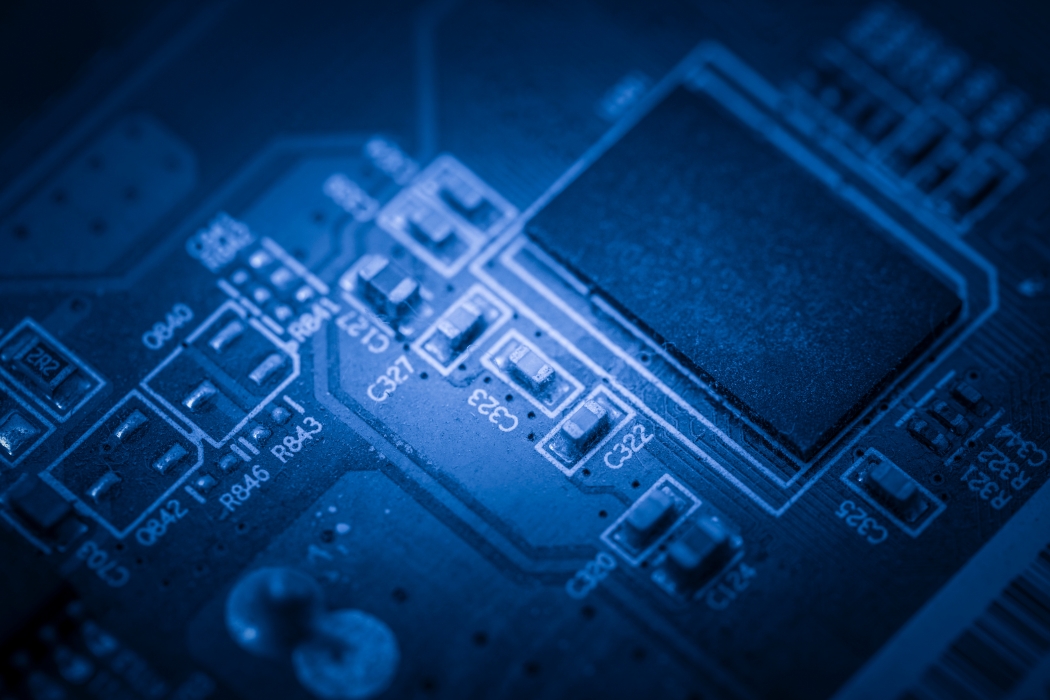
Memory modules are built on small circuit boards that contain copper pathways, integrated circuits, and tiny amounts of gold plating. These components require specialized processing because of the metals and electronic materials embedded inside.
Metal Contacts (“Gold Fingers”)
Along the edge of most RAM sticks are thin gold-plated contacts. These help the memory communicate with the motherboard and can be recovered through downstream metal refinement during recycling.
Plastic & Resin Housing
Memory sticks are held together by durable plastics and resin materials. These components don’t biodegrade and must be processed responsibly to prevent unnecessary landfill waste.
How Computer Memory Recycling Works
Collection & Transport
Computer memory recycling starts with safe collection. Individuals can use drop-off programs, while businesses benefit from scheduled pickups or on-site container services designed for bulk equipment turnover.
Sorting & Component Identification
Once received, memory modules are sorted by type—DDR3, DDR4, DDR5, laptop memory, server RAM, and more. Sorting ensures each component follows the correct downstream recycling pathway.
Material Recovery
Recyclers extract metals like copper, and silver for reuse in manufacturing. Plastic and resin components are separated and processed through appropriate recycling streams.
Responsible Handling of Hazardous Components
Some memory boards contain restricted materials that require licensed handling. Processing through a licensed recycler ensures compliance with environmental and state disposal regulations.
Benefits of Recycling Computer Memory
Reduces E-Waste in Landfills
Memory modules can take decades to break down. Recycling prevents toxic components from accumulating in landfills and reduces long-term environmental impact.
Conserves Natural Resources
Recycling recovers metals that can be reused, reducing the need for new mining and the environmental damage that comes with it. This supports circular economy efforts and more sustainable manufacturing.
Helps Organizations Meet Environmental Goals
Proper electronics disposal supports ESG plans, sustainability initiatives, and audit requirements. Recycling memory through licensed processors ensures organizations meet internal and external compliance standards.
Why Businesses Choose EACR Inc. for Computer Memory Recycling
Licensed Handling of Electronic Components
Memory boards contain internal materials that require proper electronics processing. EACR Inc. ensures every module is handled responsibly.
Bulk Pickup & Container Programs
Ideal for offices, data centers, server rooms, and organizations managing large IT refresh cycles. Pickup programs make ongoing disposal easy and efficient.
Documentation
EACR Inc. provides certificates of recycling to support environmental reporting and organizational compliance efforts.
Zero-Landfill Policy for Reusable Materials
Metals and other recoverable materials are routed to responsible downstream partners, keeping reusable resources out of landfills.
Reliable Logistics & Long-Term Partnerships
Businesses choose EACR Inc. for consistent scheduling, dependable service, and a smooth process during regular equipment upgrades.
Frequently Asked Questions
Can I throw computer memory in the trash?
No. Memory modules contain metals and restricted materials that should never be landfilled.
Does RAM contain hazardous materials?
Yes. Some memory boards include lead or other substances that require licensed recycling.
What metals can be recovered from memory boards?
Gold, copper, silver, and other reclaimable materials.
Do you accept bulk memory from businesses?
Yes. EACR Inc. handles bulk pickups for offices, data centers, and institutions.
Can I recycle broken or damaged memory sticks?
Yes. Damaged memory is still recyclable and should be processed responsibly.
Do you recycle server-grade memory?
Absolutely. Server memory, ECC memory, and high-density modules are all accepted.
Does memory store personal data?
Memory typically loses data when powered off, but it should still be recycled through a licensed recycler for proper handling.
How does EACR Inc. handle business pickups?
EACR Inc. offers scheduled pickups, container programs, and coordinated logistics for ongoing IT equipment disposal.
Conclusion
Computer memory recycling is essential for reducing e-waste, conserving resources, and preventing harmful materials from entering landfills. Memory boards contain metals and components that should never be thrown in the trash, and recycling ensures they’re handled safely and responsibly.
To recycle unused memory modules properly, work with a licensed electronics recycler.
Schedule a pickup or drop-off with EACR Inc. today for safe computer recycling.