What Is Circuit Breaker Recycling?
Circuit breaker recycling is the process of collecting, dismantling, and recycling old or unwanted circuit breakers so their materials can be reused instead of wasted. This ensures metals, plastics, and other components are properly managed and returned to the manufacturing cycle.
Why Circuit Breakers Matter in the Waste Stream
Even though circuit breakers are small, they add up quickly in the waste stream. They contain reusable metals, plastics, and heavy metals that can be harmful if they end up in landfills Proper recycling prevents these issues while making the most of their materials.
The Benefits of Recycling Circuit Breakers

Recycling circuit breakers offers key benefits:
- Environmental: Keeps e-waste out of landfills and reduces pollution.
- Economic: Recovered materials re-enter supply chains, cutting down on raw material demand.
- Compliance: Ensures businesses meet all applicable regulations for safe disposal.
What Is a Circuit Breaker and Why Recycle It?
The Role of a Circuit Breaker
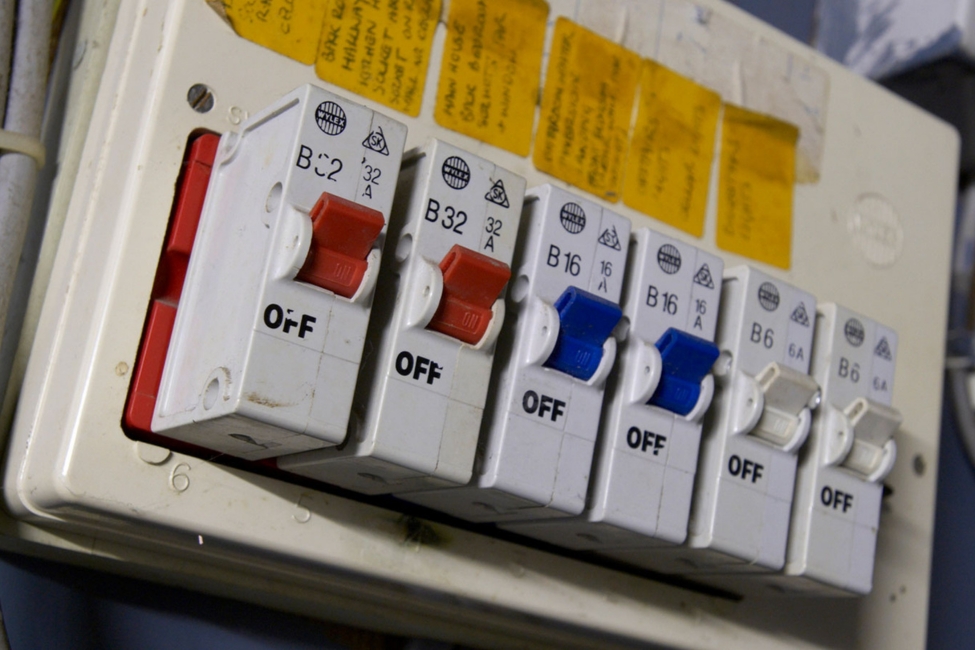
A circuit breaker is a safety device that automatically cuts off electricity when there’s too much current or a short circuit. It prevents damage, fire, and other hazards in homes, offices, and industrial facilities.
Materials Inside a Circuit Breaker
Circuit breakers are made up of a mix of reusable resources, including:
- Copper conductors.
- Steel and aluminum components.
- Plastics and insulation to separate and protect parts.
Why Throwing Them Away Is Harmful
Tossing breakers in the trash means reusable materials go to waste, while plastics and other elements can cause environmental harm if they break down in landfills. Recycling ensures these parts are handled responsibly.
The Value of Recovered Components
Through recycling, metals like copper and steel are recovered and reused in new products. This reduces the need for mining and manufacturing, saving energy while supporting sustainable production.
The Environmental Impact of Circuit Breaker Recycling
Reduced E-Waste and Landfill Usage
Circuit breakers are part of the global e-waste problem. Recycling diverts them from landfills, helping reduce the overall volume of electronic waste.
Preventing Hazardous Contamination
When not properly managed, some circuit breaker parts can leak harmful substances. Recycling avoids this risk by ensuring safe processing.
Saving Energy Through Metal Recovery
Recycling metals from circuit breakers uses far less energy than extracting them from raw ore. This lowers emissions and conserves natural resources.
Types of Circuit Breakers That Can Be Recycled
Molded Case Circuit Breakers
Found in many homes and commercial buildings, these compact units are some of the most common breakers recycled.
Industrial and Commercial Breakers
Larger facilities use heavier-duty breakers. Recycling them keeps reusable metals and plastics out of the waste stream.
Residential Circuit Breakers
Everyday home electrical panels contain breakers that can be recycled once they wear out or are replaced.
High-Voltage Circuit Breakers
Used in utilities and large-scale operations, these require careful processing but yield significant material recovery.
Specialty Breakers
Older or uncommon models may contain rare components. Recycling ensures even these niche units are handled responsibly.
The Circuit Breaker Recycling Process Explained
Collection & Sorting
The recycling process begins with collection, and there are several convenient ways to get old circuit breakers into the right hands. Businesses and municipalities can schedule pickup options for larger volumes, request e-waste containers from EACR Inc. for on-site collection, or simply drop off directly at our electronics recycling facility. Once received, breakers are sorted by type so that similar models are processed together, making disassembly and recovery more efficient.
Disassembly
After sorting, circuit breakers are carefully dismantled. The metal frames, plastic casings, and internal parts are separated, each prepared for its next stage—whether reuse, recycling, or refining.
Material Recovery
Reusable metals such as copper, steel, and aluminum are extracted. These materials are in high demand and can be reintroduced into new products. Plastics and other components are also recovered wherever possible.
Final Processing
Once separation is complete, the materials are then reintroduced back into the economy, closing the loop and turning old circuit breakers into resources for future production.
Who Benefits from Circuit Breaker Recycling?
Businesses
Contractors, manufacturers, and facility managers save space, reduce waste, and recover reusable materials through recycling.
Municipalities
Local governments benefit from reduced landfill use and stronger waste management programs.
Schools & Institutions
Educational and healthcare facilities meet sustainability commitments and remain compliant with all applicable regulations.
Homeowners
Recycling breakers from home upgrades offers safe disposal options—and in some areas, even small rebates.
Choosing the Right Circuit Breaker Recycling Partner
What to Look For
A good electronics recycler should be licensed, follow a zero-landfill approach, and offer reliable logistics for pickup and transport.
Final Thoughts on Circuit Breaker Recycling
Circuit breaker recycling is more than just disposal—it’s an opportunity to reduce waste, recover reusable resources, and stay aligned with all applicable regulations.
For businesses, municipalities, schools, and homeowners, it’s a straightforward way to protect the environment, save money, and keep materials in circulation.