CD player recycling still matters more than people realize. While CDs may feel like a thing of the past, millions of CD players are still sitting in homes, offices, schools, vehicles, libraries, and storage rooms after upgrades to newer technology.
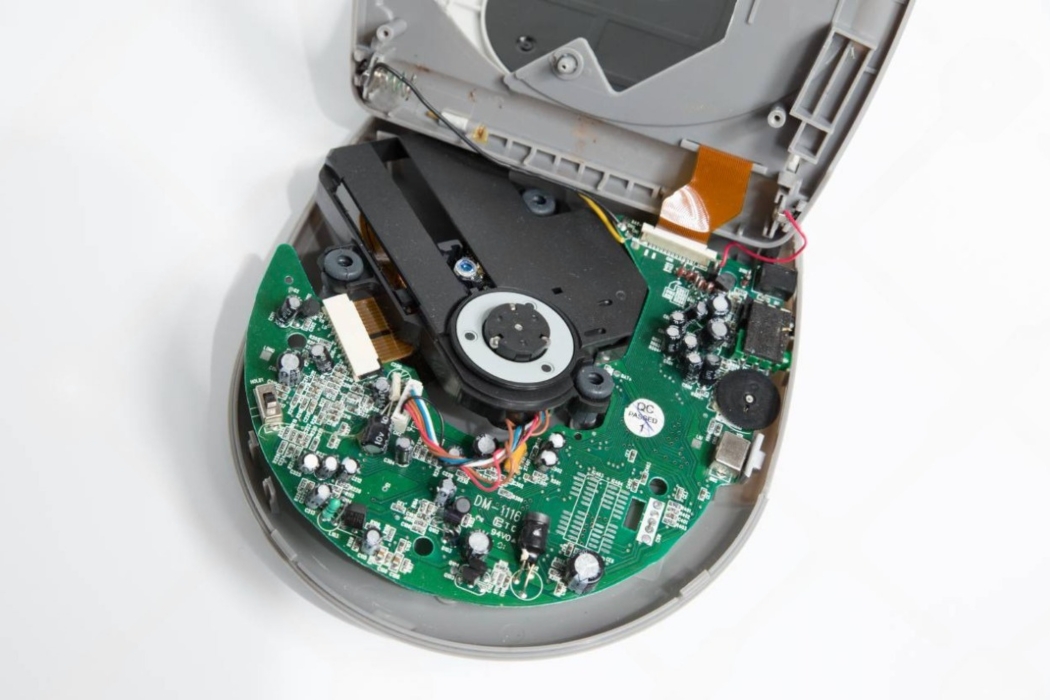
What many people don’t realize is that CD players are full electronic devices. Inside each unit are circuit boards, wiring, motors, and metal components that cannot be safely thrown in the trash. When discarded improperly, these materials contribute to electronic waste and environmental contamination.
Recycling CD players helps reduce the growing e-waste problem while recovering reusable metals and components that can be processed responsibly. EACR Inc. provides licensed electronics recycling services for individuals, businesses, schools, and institutions, making it easy to dispose of outdated audio equipment the right way.
Why CD Players Can’t Be Thrown Away
CD players qualify as electronic waste because of their internal electronics, wiring, and powered components. Even small or portable units contain circuit boards and metal parts that standard trash systems are not designed to handle.
When electronics end up in landfills, metals and electronic materials can break down over time and contaminate soil and groundwater. Older CD players may also contain solder, transformers, or power supply components that require regulated handling to avoid environmental harm.
In many states, electronics are legally prohibited from being disposed of in regular household trash. Recycling through a licensed electronics recycler is the only responsible and compliant way to manage end-of-life CD players.
What’s Inside a CD Player?
Understanding what’s inside a CD player makes it clear why proper recycling is necessary. These devices may look simple on the outside, but they contain a mix of metals, electronics, and mechanical parts that require specialized processing.
Common Recyclable Materials
Most CD players contain a range of reusable materials, including steel and aluminum used in frames and outer casings. Copper wiring runs throughout the device, connecting motors, circuit boards, and power components.
Inside the unit are small motors that spin discs and move laser assemblies, along with circuit boards that contain reusable metals. These materials can be recovered and returned to manufacturing supply chains when processed correctly.
Electronic & Regulated Components
In addition to recyclable metals, CD players contain components that must be handled carefully. Printed circuit boards house electronic components and metal traces that require licensed electronics processing.
Power supplies and transformers manage electrical flow and contain mixed metals and insulation. Optical laser assemblies, sensors, capacitors, and other small internal parts also require proper separation to ensure safe recycling and environmental protection.
Types of CD Players That Can Be Recycled
Nearly all types of CD players can be recycled, regardless of size, age, or condition. This includes home stereo CD players and component units found in entertainment systems, as well as portable CD players like Discman-style devices.
CD changers and multi-disc systems are recyclable, along with car CD players and dashboard head units. CD/DVD combo players and professional or commercial audio equipment with CD playback functionality are also accepted. Whether the device still works or not, the materials inside can still be properly recycled.
How CD Player Recycling Works
CD player recycling follows a structured process designed to remove regulated components and recover reusable materials safely and efficiently.
Step 1: Collection or Pickup
The process begins with collection. Individuals can use drop-off options, while businesses, schools, libraries, and institutions often schedule bulk pickups or an e-waste container when replacing or clearing out equipment.
Step 2: Disassembly
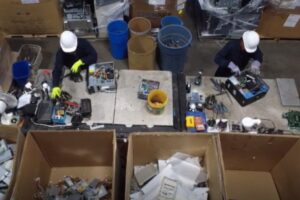
Once received, CD players are dismantled. Technicians separate metals, wiring, electronics, and plastics, removing any regulated components before material processing begins.
Step 3 — Material Separation
After disassembly, metals, circuit boards, plastics, and internal components are sorted into clean material streams. This separation ensures each material type is handled through the appropriate recycling channel.
Step 4: Material Recovery
Recovered metals are processed for reuse, while circuit boards are sent through licensed electronics recycling channels. Plastics are handled based on downstream recycling capabilities, ensuring no components are improperly discarded.
Benefits of Recycling CD Players
CD player recycling helps keep outdated electronics out of landfills while recovering reusable materials that still have real purpose. Even though CD players are no longer mainstream, disposing of them responsibly still matters.
Recycling reduces electronic waste in landfills, where electronics can sit for decades without breaking down. It also keeps reusable metals and components in circulation, reducing the need for new raw material extraction.
Proper recycling prevents electronic components from leaching into soil and groundwater over time. As technology continues to evolve and older devices are replaced, responsible electronics disposal plays a key role in reducing long-term environmental impact.
Can You Recycle Broken or Non-Working CD Players?
Yes — functionality does not matter at all.
CD players that are damaged, missing parts, no longer power on, or have been sitting unused for years are still fully recyclable. Whether the device works has no impact on its recyclability.
The recycling process focuses on material recovery, not reuse of the device itself. Metals, wiring, circuit boards, and internal components can still be properly processed even if the player is beyond repair.
Commercial & Institutional CD Player Recycling
CD player recycling is especially useful for organizations that are clearing out older technology in larger quantities.
Common use cases include schools and universities upgrading classrooms or media rooms, libraries transitioning away from physical media, and offices or conference centers modernizing audiovisual equipment. Audio studios, theaters, event venues, municipal buildings, and public facilities often accumulate outdated players over time as well.
EACR Inc. supports bulk pickups, multi-location recycling programs, and coordinated removal during renovations or equipment upgrades. These services make it easy for organizations to recycle responsibly without disrupting operations.
How to Prepare a CD Player for Recycling
Preparing a CD player for recycling is simple and takes only a few minutes.
Unplug the unit and remove any discs inside. Detach external cables, remotes, or accessories if possible, but do not open or dismantle the device yourself. Internal components should remain intact so they can be processed safely and correctly by a licensed recycler.
That’s it—no special handling or disassembly is required.
CD Player Recycling FAQs
Can CD players go in the trash?
No. CD players contain electronics, wiring, and metals that qualify as electronic waste and must be recycled through proper channels.
Are CDs and DVDs recyclable the same way as players?
No. CDs and DVDs are plastic-based media and are recycled differently than electronic devices. CD players must go through electronics recycling programs.
Do CD players contain hazardous materials?
They can. Circuit boards, power supplies, and electronic components may contain substances that require regulated handling.
Can car CD players be recycled?
Yes. Car CD players and head units are electronic devices and are accepted through electronics recycling programs.
Do you accept bulk loads of audio equipment?
Yes. Bulk loads of CD players and other audio equipment can be recycled through scheduled pickups.
Can schools and libraries schedule pickups?
Absolutely. EACR Inc. works with schools, libraries, and institutions to coordinate pickups and ongoing recycling needs.
Schedule CD Player Recycling With EACR Inc.
Recycling old CD players doesn’t have to be complicated. EACR Inc. provides licensed electronics recycling services for individuals, businesses, schools, and institutions.
Whether you’re recycling a single device or clearing out equipment across multiple locations, bulk pickup and ongoing e-waste solutions are available. Contact EACR Inc. through the service request page or contact form to schedule your CD player recycling and ensure your electronics are handled responsibly.