
Electronics Recycling in
Alabama

EACR provides electronics recycling for Alabama businesses, schools, healthcare facilities, municipalities, government organizations, warehouses, offices, and other facilities retiring electronic equipment.

Alabama Does Not Have a Statewide E-Waste Program

Alabama does not currently have a comprehensive statewide electronics recycling law or manufacturer-funded e-waste program. That makes the state different from places with broad electronics landfill bans or statewide collection systems.

For businesses, however, the absence of a statewide e-waste law does not mean every electronic device can simply be placed into an ordinary waste stream. Alabama treats household-generated electronics differently from equipment discarded by businesses and industry, and certain commercial electronics may still be subject to hazardous-waste requirements based on the materials they contain.
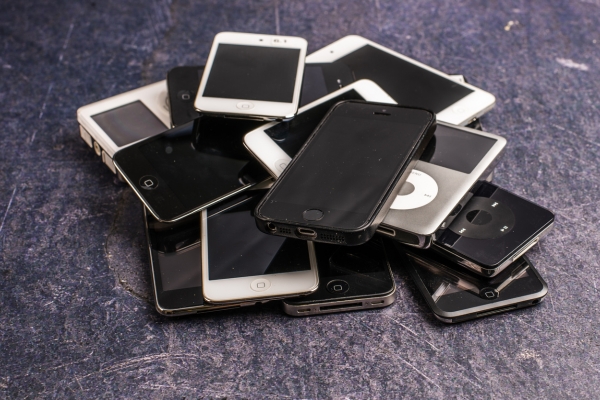

e-waste in Alabama

Business Electronics Can Still Trigger Alabama Waste Rules

Alabama’s waste requirements become more important when electronics come from a commercial or industrial operation. The type of equipment, its condition, and how it will be managed can all affect its regulatory status.

CRT Monitors and Televisions

Older televisions and computer monitors containing cathode ray tubes, or CRTs, are one example.

ADEM states that electronic equipment generated by businesses or industry and intended for disposal is solid waste and must undergo a hazardous-waste determination. CRT glass can contain enough lead for a television or monitor to fail toxicity testing and be considered hazardous waste when disposed.

Recycling can change how these materials are regulated. Under specific conditions, intact CRTs and certain broken CRTs destined for legitimate recycling may not be considered solid waste as long as applicable storage, labeling, accumulation, and recycling requirements are followed.

Batteries and Universal Waste

Certain batteries can fall under Alabama’s universal-waste rules rather than ordinary disposal requirements.

ADEM identifies hazardous-waste batteries such as lithium-ion, nickel-cadmium, sealed lead-acid, and other qualifying battery chemistries as materials that can be managed under the universal-waste program. These rules simplify some hazardous-waste requirements while still requiring batteries to be stored and managed in a way that prevents releases.

For a broader overview of the state’s requirements, read EACR’s Alabama E-Waste Laws guide.

Equipped for More Than a Few Old Computers

Electronics recycling projects can range from a few pallets of retired IT equipment to full warehouse cleanouts and large technology replacement projects. EACR supports commercial projects with transportation capabilities and a 20,000-square-foot processing facility built to handle mixed electronics, office equipment, IT hardware, and other material at scale. Throughout its history, EACR has processed more than 300 million pounds of electronic waste.

Projects can also incorporate data destruction, a Certificate of Recycling, and EACR’s zero-landfill policy. With more than 25 years in electronics recycling, our experience extends across one-time cleanouts, recurring programs, and more complex commercial projects. Learn more about that history on the Impact page.

sustainability in Alabama

Ways Alabama Organizations Can Move E-Waste

The right collection method depends on how much equipment your organization has, where it is located, whether it contains data, and whether electronics are generated once or throughout the year.

Scheduled Pickup

Larger quantities can be consolidated into a scheduled commercial pickup. This option can support corporate IT upgrades, school technology replacements, healthcare equipment changes, municipal cleanouts, warehouse projects, office moves, and facility closures.

Send Approved Smaller Loads

Smaller quantities may not require dedicated transportation. EACR can review the equipment first and, when appropriate, provide the packing, shipping, and destination instructions needed to send an approved mail-in electronics load.

Keep an E-Waste Container On Site

Facilities that generate retired electronics throughout the year can use an e-waste container to consolidate approved material between collections. This creates an ongoing collection point instead of arranging each equipment retirement separately.

Electronics Alabama Facilities Can Send to EACR

EACR handles a broad range of electronic equipment from commercial, institutional, and government projects, including:

  • Desktop computers and laptops
  • Servers and storage systems
  • Monitors and televisions
  • Printers and office electronics
  • Networking equipment
  • Phones and tablets
  • Circuit boards
  • Batteries and UPS equipment
  • Medical electronics
  • Appliances
  • Cables and wiring
  • Solar panels

Not sure whether your equipment fits the list? Browse EACR’s complete items we recycle page before planning your project.

From Equipment List to Completed Recycling Project

Once EACR understands what your Alabama facility is retiring, the project can be organized around the equipment, location, transportation needs, data requirements, and documentation involved.

1. Inventory

Provide equipment categories, approximate quantities, your Alabama location, site access details, preferred timing, and photos when useful so EACR can understand the project’s overall scope.

2. Arrange

EACR reviews the volume and project requirements to determine whether scheduled transportation, an approved mail-in shipment, or an ongoing container program is the practical collection method.

3. Flag Data

Identify computers, servers, drives, storage hardware, and other data-bearing equipment so any required data destruction can be incorporated into the project before final processing begins.

4. Confirm

Project documentation can include a Certificate of Recycling showing the material handled and providing a record that the recycling work associated with the project has been completed.

5. Process

Received equipment is sorted according to device, material, and condition before being directed into the appropriate reuse, repurposing, or recycling streams available for that particular equipment.

Alabama

Alabama Electronics Recycling Questions

Alabama does not currently have a comprehensive statewide electronics recycling program or broad e-waste landfill ban. Separate hazardous-waste and universal-waste requirements can still apply to specific materials generated by businesses.

It depends on the equipment and the materials it contains. Business-generated electronics intended for disposal can require a hazardous-waste determination, so organizations should not assume every retired computer or electronic device can enter ordinary waste.

Hazardous-waste batteries can be managed under Alabama’s universal-waste rules. Covered batteries can include lithium-ion, nickel-cadmium, sealed lead-acid, and other qualifying chemistries.

Yes. Equipment from multiple offices, warehouses, schools, facilities, or other Alabama locations can be reviewed as part of a coordinated multi-site recycling project.

Certain smaller quantities of approved electronics may be suitable for mail-in recycling. EACR can review the equipment first and provide the necessary shipping instructions.

Contact Us Today

Email Us

Call Us

EACR Inc. Website Submission

"*" indicates required fields

Name*