Ever wondered what is inside a mobile phone? These tiny devices are some of the most advanced pieces of technology most people own. Inside every smartphone, millions of components work together seamlessly to power calls, apps, cameras, games, streaming, and everything else we rely on daily. From processors and batteries to displays and sensors, each part has a specific role — and many contain materials that can be recycled and reused.
At EACR Inc., we’re a licensed electronics recycling company that specializes in safely handling and recycling mobile phones and other electronic devices. We ensure materials are recovered, harmful toxins stay out of landfills, and your personal data is securely destroyed.
Why Mobile Phones Are So Complex
Today’s smartphones are engineering marvels. Packed into something that fits in your hand is the power of an entire computer — sometimes even more. They process millions of calculations per second while managing multiple tasks: running apps, streaming video, handling high-quality cameras, and staying connected to the internet 24/7.
Thanks to miniaturization, manufacturers have managed to fit advanced processors, memory, sensors, antennas, and batteries into devices only millimeters thick. Add to that the demand for faster processors, brighter displays, stronger cameras, and longer battery life, and it’s easy to see how much innovation goes into every phone.
But as phones get smaller, smarter, and more complex, recycling them becomes more challenging — and more important than ever. Inside your phone are metals, rare earth elements, lithium batteries, and plastics. Without proper recycling, many of these materials can end up in landfills, polluting soil and water. By working with a trusted company like EACR Inc., you can ensure these devices are responsibly recycled, and hazardous components are handled properly.
Core Components Found Inside a Mobile Phone
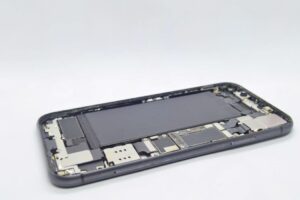
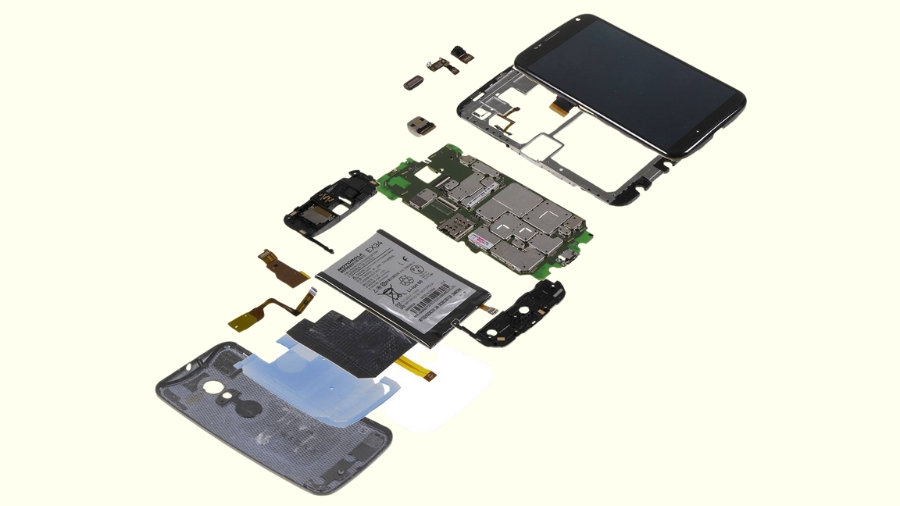
When exploring what is inside a mobile phone, it’s incredible to see how many subsystems work together to make these compact devices function. Every smartphone, no matter the brand, contains a combination of critical components — each with a specific purpose, made from valuable materials, and requiring proper handling when recycled.
The Circuit Board – The “Brain” of Your Phone
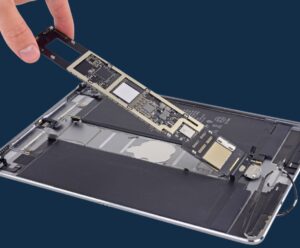
At the heart of every mobile phone is the circuit board, which manages all processing, storage, and connectivity functions. This is where the microprocessors, memory chips, power controllers, and RF chips work together to make your device run smoothly.
The Display System
Modern smartphones use advanced AMOLED or LCD display panels to deliver crisp, vibrant visuals. These displays are made of multiple glass layers, LEDs, driver electronics, and touch sensors, all working seamlessly together.
However, many phone screens also contain mercury and other toxic chemicals. Without proper disposal, these substances can contaminate soil and water.
Batteries and Power Management
The lithium-ion battery is one of the most critical — and most hazardous — components inside your phone. It powers every subsystem, keeping your apps, cameras, and connections running. However, these batteries pose fire risks and environmental hazards if improperly discarded.
Cameras, Sensors, and Peripherals
Today’s smartphones come equipped with multi-lens camera systems, fingerprint scanners, accelerometers, proximity sensors, haptic motors, and other advanced features. These systems deliver powerful functionality but also make recycling more complex.
Because of the intricate mix of materials and wiring, DIY phone disposal can lead to damage and environmental risks.
Antennas and RF Systems
Your phone’s antennas and RF subsystems are responsible for cellular connections, WiFi, Bluetooth, and GPS. These systems use metals and highly sensitive wiring to maintain smooth communication between networks.
Materials Hidden Inside Your Mobile Phone
Beyond the visible parts, your smartphone is packed with hazardous materials — another reason why proper recycling matters.
- Metals: Phones contain recoverable metals and materials, like copper & aluminum, that can be used to create new electronics. Recycling recovers these resources instead of relying on destructive mining.
- Plastics & Glass: Lightweight, durable, and widely used throughout the phone. Recycled plastics are repurposed for electronics, packaging, and other products.
- Toxic Materials: Components like lithium, mercury, and lead pose serious environmental hazards if phones end up in landfills. Responsible recycling ensures these substances are safely handled.
The Environmental Impact of Improper Disposal
Every year, over 100 million mobile phones are thrown away in the U.S alone, and most end up in landfills. Inside these phones are hazardous materials like lithium, mercury, and lead that can leach into soil and groundwater, contaminating ecosystems and drinking water supplies.
Improper disposal also wastes metals and materials that could otherwise be recovered and reused. By recycling through EACR Inc., these resources are preserved, landfill waste is reduced, and harmful toxins stay out of the environment.
Responsible recycling isn’t just about sustainability — it’s about protecting communities and the planet.
Final Thoughts: Inside Your Phone Lies an Opportunity
Every smartphone contains complex technology, materials, and recoverable resources. From aluminum and copper to lithium batteries and plastic, these devices hold components that can be reused to create new products and reduce the demand for destructive mining.
But when phones are tossed into landfills, harmful toxins can seep into soil and groundwater, causing long-term environmental damage. The solution is simple: responsible recycling. Contact EACR Inc. today for reliable cell phone recycling and keep harmful materials out of landfills. Together, we can protect our planet while giving these valuable materials a second life.